Training
-
Build your personalized training plan – part 1: Train smart with limited time
Don’t you have much time to train, but still want to give it your best shot? Want to beat a friend or improve your personal best? We all have our own goals while also juggling limited time for preparation. Here, you’ll find tips on how to build a training plan that works for your life.02.09.2026

Most read
-
28.08.2026
-
-
06.08.2026
-
06.03.2026
-
05.08.2026



more articles
-
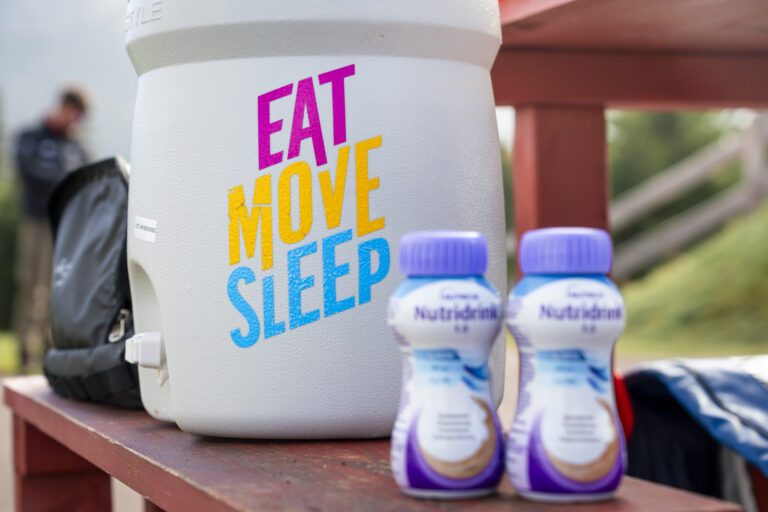
Recovery – part 4: Train, eat, sleep, repeat
Athletes sometimes wonder why their fitness has not improved as expected despite following their training plan and pushing harder than ever. The reason for sluggishness can be simple: eating the wrong foods, eating too little, or lacking rest, especially quality sleep. The fourth part of our recovery series explores these key aspects.
27.08.2026 -
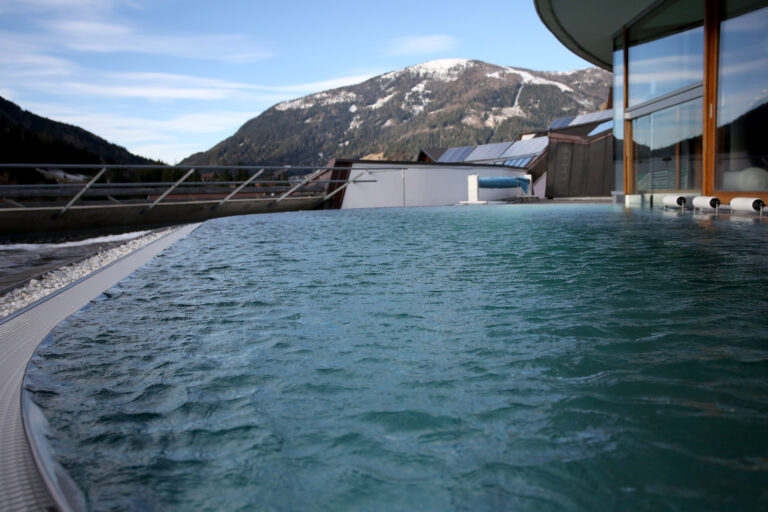
Recovery – part 3b: Hot water and contrast therapy
Following our ongoing series on recovery, this article explores the effects of hot water and contrast (hot–cold) therapies in optimizing recovery for endurance athletes. While cold treatment is often highlighted, could heat or alternating temperatures play a role in performance and muscle repair?
26.08.2026 -
Recovery – part 3a: Cold therapy
Do you have the habit of jumping into a lake to cool off after a sweaty run in the summer? Or you run from the sauna into a snowdrift during winter. If you answered yes to either of these, you may have unknowingly been aiding your recovery from workouts.
25.08.2026 -
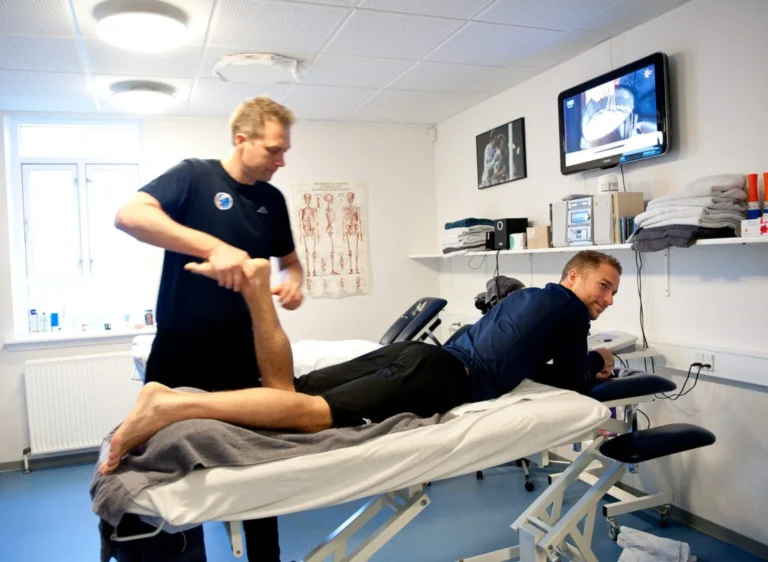
Recovery – part 2: Compression, foam roller, and massage
Do you regularly visit a masseuse? Or do you perhaps have compression socks or a foam roller, aiming to reduce the strain of training or enhance recovery post-workout? In this second article on recovery, we delve into these pressure-based recovery methods.
24.08.2026 -
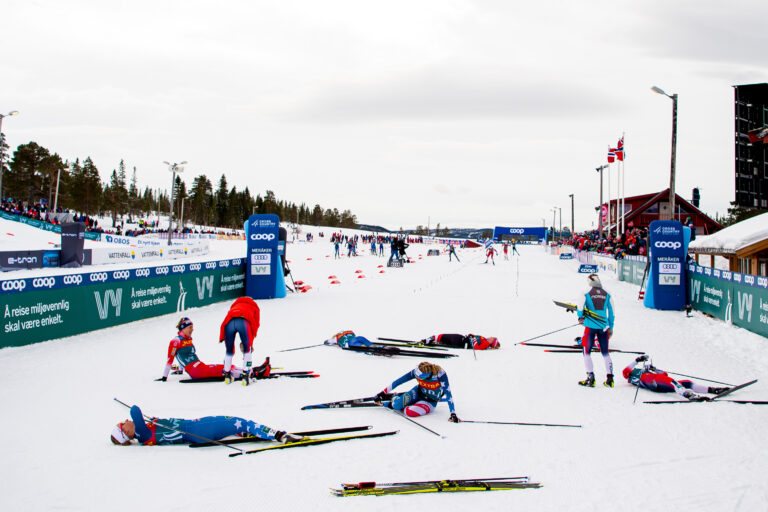
Recovery – part 1: The physiology of fatigue
As everyone is already aware, in endurance sports, training must be sufficiently demanding both quantitatively and qualitatively for progressive development to occur. However, with the accumulation of high training volumes and overall stress from non-sporting activities, it is essential to be careful so that the body has enough time for rest and recovery.
23.08.2026 -
Nutrition does not have to be rocket science
Finnish nutritionist and Master of Food Science Kaisa Sali would like to see an increase in coaches' knowledge of nutrition, for example, by adding nutrition sections as a part of their overall coaching training.
22.08.2026 -
RUNNING TRAINING: 4×2000 meters – train your aerobic threshold
Looking to improve your aerobic threshold? Then 4x2000 meters is the workout for you.
20.08.2026 -
ROLLER SKI TRAINING: Long-distance with speed intervals
An easy long-distance session lasting 2 to 4 hours, interspersed with short speed intervals.
19.08.2026 -
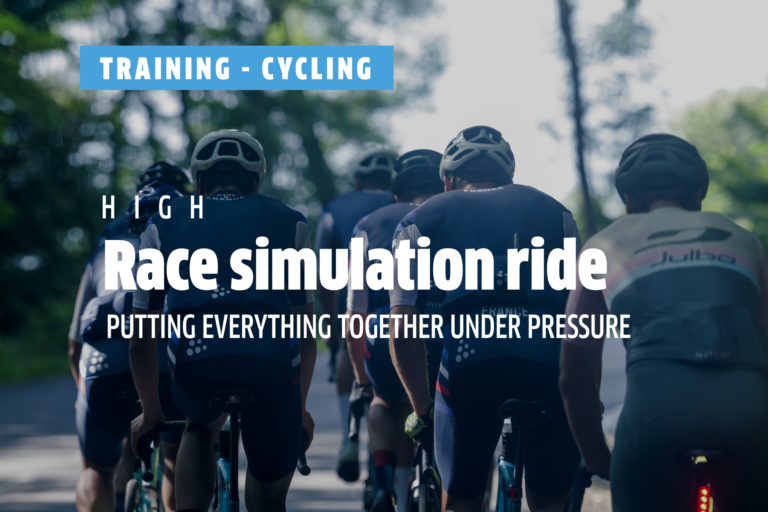
CYCLING TRAINING: Race simulation ride – putting everything together under pressure
All the base fitness, strength, and threshold work you have built through the off-season means nothing if you cannot deploy it when it counts. This race simulation ride brings every quality together in one demanding, varied session, the closest thing to a ski race you can do on a bike.
18.08.2026 -
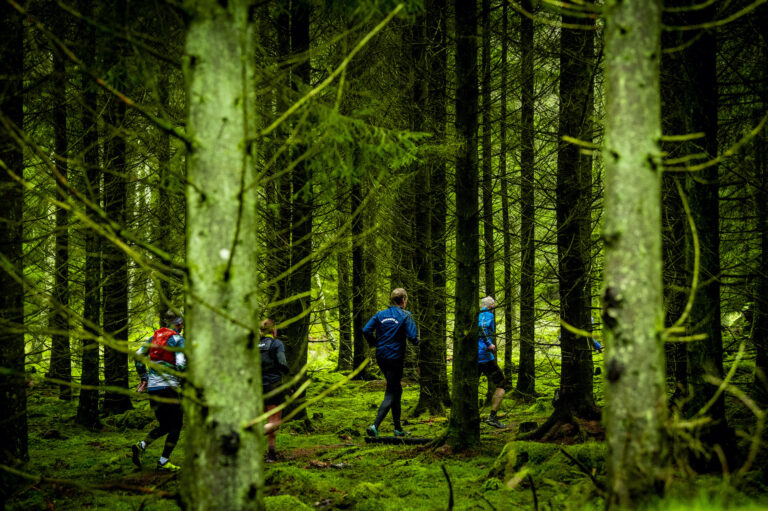
Trail running is more than just a summer workout for skiers
Trail running is an effective summer training method for cross-country skiers, developing balance, strength, and adaptability through varied terrain while keeping training mentally engaging.
16.08.2026