Recovery – part 3a: Cold therapy
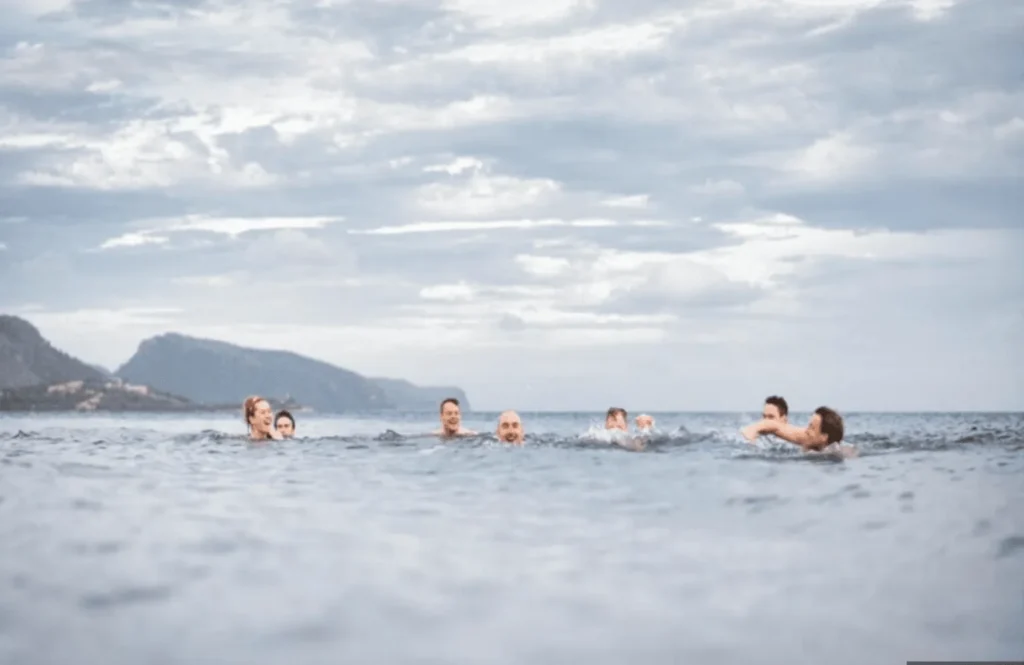
Do you have the habit of jumping into a lake to cool off after a sweaty run in the summer? Or you run from the sauna into a snowdrift during winter. If you answered yes to either of these, you may have unknowingly been aiding your recovery from workouts.
Recovery – part 3a aims to familiarize you with the benefits and drawbacks of temperature-based therapies. The article is divided into two parts: the first part (3a) deals with the effects of cold, and the latter part (3b) discusses the role of heat and contrast therapy in recovery.
Also Read
Recovery – part 1: The physiology of fatigue
Recovery – part 2: Compression, foam roller, and massage
Water
Since water is used as the treatment environment in most temperature therapies, it’s worth briefly reviewing its effects on bodily functions. The hydrostatic pressure exerted by water increases the heart’s minute volume, enhances blood flow to tissues, and facilitates the removal of waste products from muscles into the bloodstream.
According to Maastohiihto.com, water pressure also reduces swelling and may prevent the progression of muscle damage while maintaining regular oxygen transport to muscles. Besides hydrostatic pressure, water temperature is another factor that significantly affects how water influences bodily functions. Hot water dilates blood vessels and increases blood flow in tissues, whereas cold water has the opposite effect.
Cold Therapy
Cold therapy, or more commonly cold-water therapy, is one of the most widely used forms of recovery. The cold-water pool at the swimming hall, cool lake water, or simply a cold shower are easy, readily available options for cold-water therapy. While immersing oneself in cold water is common in practical training, there is still no clear scientific evidence of its benefits.
Studies have extensively examined cold-water therapy among temperature treatments. Cold temperatures lower the body’s temperature, reduce inflammation, and alleviate pain from soft tissue injuries. In one study, a sprint running performance (10x20m) improved, and muscle soreness decreased after cold-water therapy (2x5min in 10°C water) compared to contrast therapy (2min in 10°C + 2min in 40°C, repeated three times) or passive recovery. The recommended water temperature for cold-water treatment is typically between 8 and 15 degrees Celsius, and individuals are advised to stay in the water for five to fifteen minutes.
A recently published study investigated the effects of post-exercise cold-water therapy on the activation of genes related to muscles, blood vessels, and metabolism. These genes, notably PGC-1α involved in mitochondrial biogenesis (the formation of new mitochondria), VEGF stimulating angiogenesis (blood vessel formation), and GLUT-4 facilitating glucose transport into cells, are essential for adapting to endurance training and developing endurance characteristics.
Participants first ran for 30 minutes at 70% of their maximum speed, followed by interval training to exhaustion with intervals consisting of 30 seconds of running at full speed and 15 seconds of recovery. Immediately after the exercise, participants submerged one leg in cold water (10°C) for 15 minutes (intervention), while the other leg recovered passively (control). The results indicated that cold therapy acutely increases mitochondrial biogenesis and stimulates VEGF production, theoretically suggesting an increase in aerobic capacity as well.
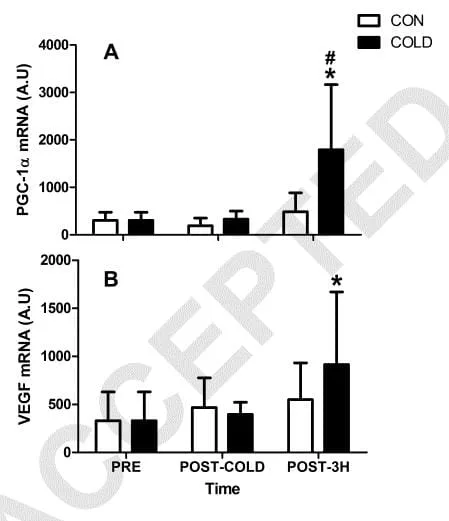
However, it’s important to note that this was only one treatment session, so the long-term effects of cold therapy are not yet fully understood. Additionally, cellular adaptation mechanisms do not always directly translate to performance, so there is no guarantee that cold therapy would affect endurance performance based solely on this study. Moreover, the possible placebo effect of cold treatment is difficult to control, making it challenging to determine whether the effect is physiological or psychological.
Another study followed cyclists over 39 days, including a 21-day high-intensity training period (longest rides lasting 7.5 hours). The intervention group cyclists used cold-water therapy (15°C) four times a week for 15 minutes each immediately within 30 minutes after exercise, while the control group exercised and recovered without cold therapy. The results showed that cold therapy might not necessarily benefit performance or perceived vigor if it doesn’t hinder it either.
Even Colder
Whole-body cryotherapy, exposing the body to extremely cold temperatures ranging from -100 to -140 degrees Celsius for short periods, has garnered interest recently. Although not everyone has access to such cold chambers to experience the effects of cryotherapy, let’s briefly explore what it entails out of curiosity.
Cryotherapy is said to increase activation of the parasympathetic nervous system and improve antioxidant capacity. Moreover, extreme cold may alleviate inflammation and promote injury healing. Since air conducts heat/cold relatively poorly, there is no risk of tissue damage in short cryotherapy sessions.
The treatment typically lasts only about 2-5 minutes and is performed in specially built chambers or rooms. Frostbite is prevented by wearing a headband to protect the ears, a facial mask, socks, and gloves to avoid peripheral cooling. Cryotherapy is increasingly used in sports circles, with the best timing generally being immediately after performance and up to 24 hours afterward. However, a recent review article notes that, based on current available evidence, cryotherapy compares favorably with cold-water therapy or traditional cold pack treatment (snow/ice), making these significantly cheaper and more readily available recovery methods recommended for everyday use.
Read More: How to avoid overtraining?
References
- Bleakley et al. 2014. Whole-body cryotherapy: empirical evidence and theoretical perspectives. Open access journal of sports medicine 5, 25-36.
- Broatch et al. 2014. Post-exercise cold-water immersion benefits are not greater than the placebo effect. Med Sci Sports Exerc. In press.
- Halson et al. Does hydrotherapy help or hinder adaptation to training in competitive cyclists? Med Sci Sports Exerc. In press.
- 2013. Recovery techniques for athletes. Sports Science Exchange 26(120), 1-6. Ihsan et al. 2014. Post-exercise muscle cooling enhances gene expression of PGC-1α. Med Sci Sports exerc. In press.
- Menetrier et al. 2013. Effects of recovery using contrast water therapy or compression stockings on subsequent 5-min cycling performance. J Sci Cycling 2(2), 49-56.
- Versey et al. 2013. Water immersion recovery for athletes: effect on exercise performance and practical recommendations. Sports Med 43, 1101-11130
Also Read – SkiErg vs. Ercolina: Which double-poling trainer is right for you?
This article was originally published on Maastohiihto.com and updated for ProXCskiing.com in October 2025.
Are you interested in training for long-distance, traditional cross-country skiing and biathlon? Click HERE and read more about it.
Subscribe to our newsletter
Most read
-
-
14.09.2026
-
06.03.2026
-
16.09.2026
-


More Articles
-
Training at altitude: a double-edged sword, but effective – how to maximize its benefits
Are you looking to improve your physical fitness by training at higher altitudes, or planning to log your first kilometers on skis this season in one of the Alpine resorts? If so, do you understand the changes happening in your body, how to properly plan your training, and what mistakes to avoid?16.10.2026