Skiers embrace new trend: “Of course it’s interesting”
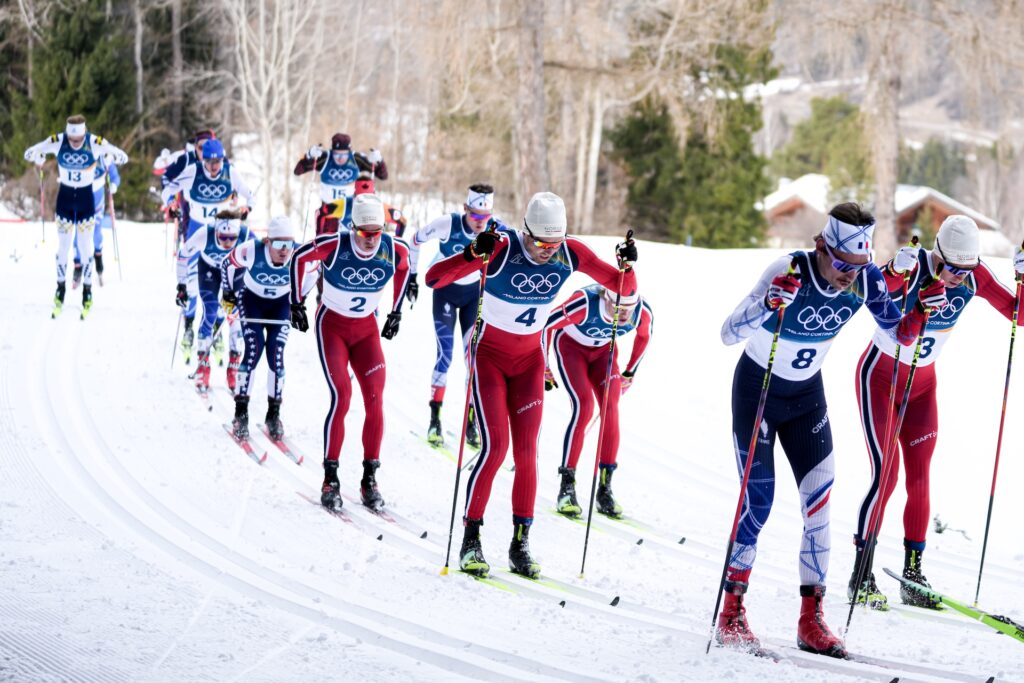
The trend has grown among cyclists, and now skiers are following suit.
Bicarbonate, broccoli shots, tart cherry juice, pickled cucumbers, and caffeine are old news. Now, the world’s elite athletes are adding lactate to their regimen. Specifically, exogenous lactate, which is lactate introduced from an external source, in the form of gels.
Where it was previously believed that lactate was the cause of muscle “burning,” stiffness, and fatigue, research now shows that lactate is actually a valuable energy source for muscles, the heart, and the brain.
Several of the world’s top endurance athletes have begun to utilize this. Instead of waiting for the body to produce lactate during intense efforts, athletes are now consuming it directly through specially developed energy gels.
Also Read: Improving sleep with these nutrition tips
Gaining traction
Following Tadej Pogacar and his teammates’ remarkable Tour de France this summer, interest in lactate gels has surged among cyclists and triathletes.
Now, the skiing community is catching up.
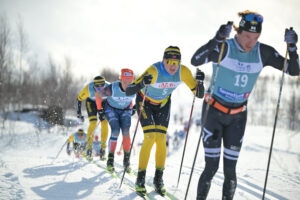
Long-distance skiing profile Thomas Gifstad is one of those eager to test the products himself.
“The world’s best cycling team uses it, so of course it’s interesting,” he told Langrenn.com.
“I was planning to try it out at roller ski competitions this summer, but I didn’t get the chance. But this is very exciting.”
Gifstad may soon have his dream fulfilled.
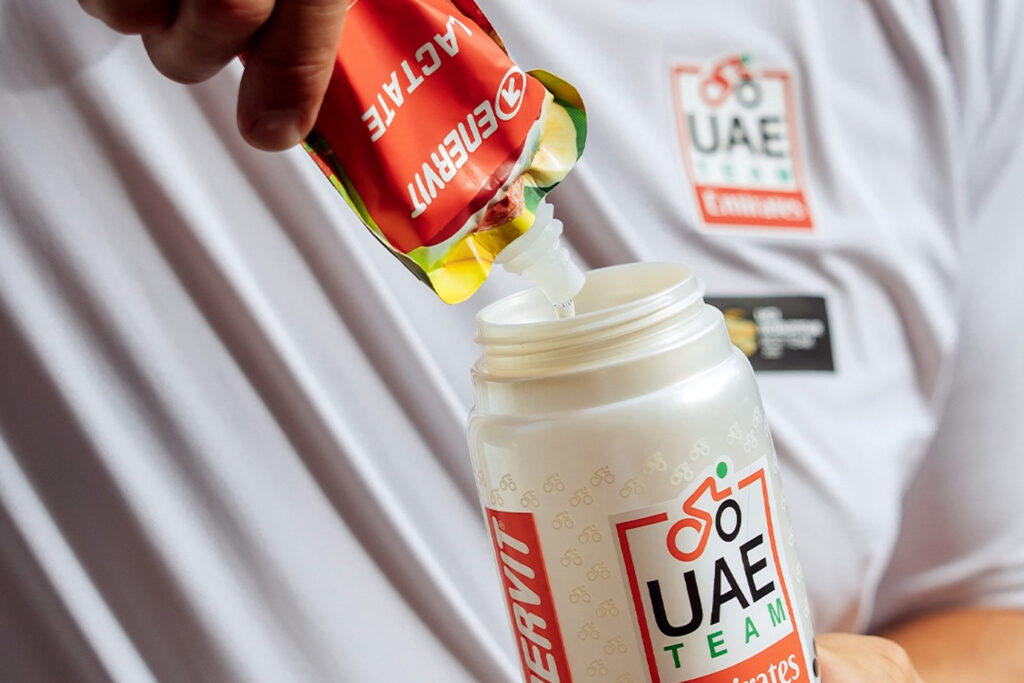
Recently, several such products have emerged, where regular carbohydrates are combined with around five grams of lactate per gel. One of these products is Enervit C2:1PRO Lactate Gel Mix – used by the UAE Team Emirates during this year’s Tour de France. This is expected to be available for sale this fall.
The text continues below.
How exogenous lactate works in endurance sports
Exogenous lactate acts as a third energy source: Carbohydrates typically limit how much energy the gut can absorb, to around 120–140 grams per hour. The body absorbs lactate through different transport mechanisms (monocarboxylate transporters), which theoretically allows for additional energy intake without overloading the stomach.
Does it work?
Proponents claim that lactate can make the athlete more resistant to fatigue, reduce perceived exertion, and increase power output during short, intense work periods.
Studies conducted on humans so far have yielded mixed results.
In a pilot study, researchers found no improvement in VO₂max, lactate threshold, or ventilatory threshold. Only performance in a 20-minute time trial showed a slight increase. Other studies on trained cyclists found no significant performance improvement at all.
In other words: The theory is strong, but the documentation for improved performance is still weak.
Read More – Autumn training: How to avoid getting sick
What experts are saying
Nutrition chief James Moran from the Norwegian cycling team Uno-X Mobility, which secured a stage win in the Tour de France this summer and another in the Vuelta a España in September, is cautious.
“There has been a lot of talk about carbohydrate gels containing exogenous lactate,” Moran told the magazine Nutraingredients, and continued.
“The mechanism is promising, but there is currently very little research on whether lactate introduced from an external source is absorbed through the gastrointestinal tract, whether it increases lactate levels in the blood, and whether it actually affects physiology and performance in elite athletes.”
However, Moran is excited about what future studies will reveal, but for now, such products are not part of the nutrition program for the Norwegian pro team.
Margins
Senior researcher at Holland & Barrett Dr. Mark Evans says he expects more studies on the use of exogenous lactate in humans in the near future, especially since exogenous lactate seems to have resolved some of the stomach issues that came with earlier products.
“With so much money and resources these Tour teams have, I expect that several of them have their own data that is far ahead of the published research,” he explains further.
“This could give them a better idea of when during the race/stage exogenous lactate is most useful, and specifically when during the stage it can be used to enhance performance.”
Evans believes that exogenous lactate is currently a tool for athletes at the very top level, who have already optimized their nutrition strategies and training programs but are looking for those final margins.
Interested in training and training trends? Here we have gathered material on training, training methods, research, and development.

Subscribe to our newsletter
Most read
-
21.09.2026
-
14.09.2026
-
-
06.08.2026
-
06.03.2026




More Articles
-
Travel Guide – Engadin Valley: Swiss precision meets high-altitude beauty
The Engadin Valley has hosted Ski Classics since Season IV, and today Engadin La Diagonela is one of the most respected long-distance skiing events in Europe. What began in 2014 as an emergency replacement race after a Czech event was cancelled for lack of snow has grown into a cornerstone of the Ski Classics calendar, drawing around 1,800 athletes from dozens of nations every January.22.09.2026