The impact of rest intervals on training effectiveness
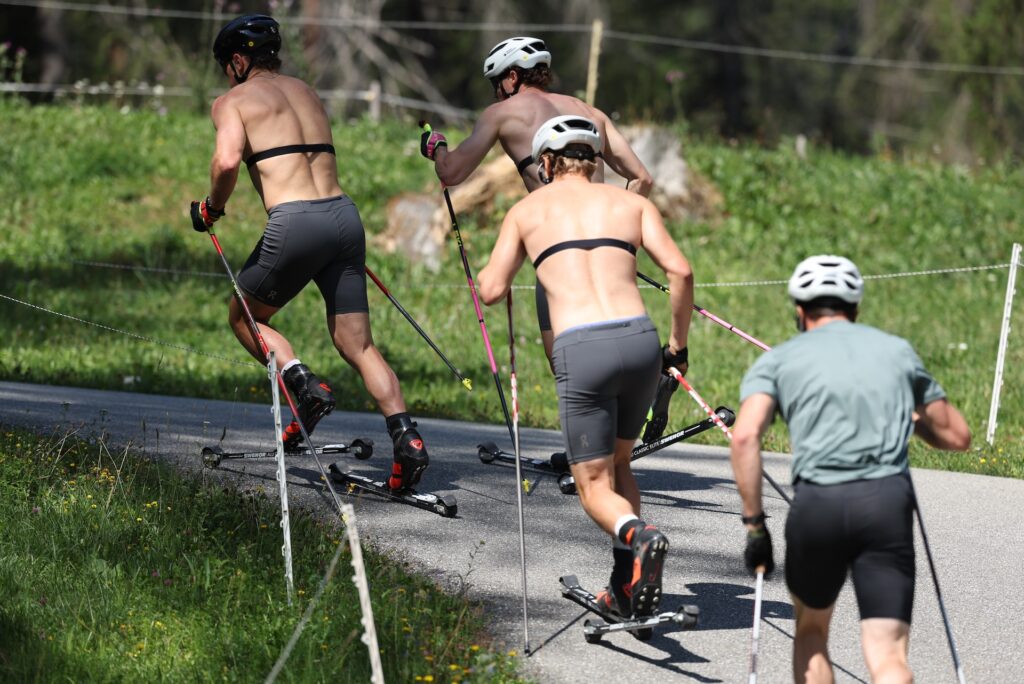
The same interval workout can yield completely different training benefits. The difference is greater than many realize.
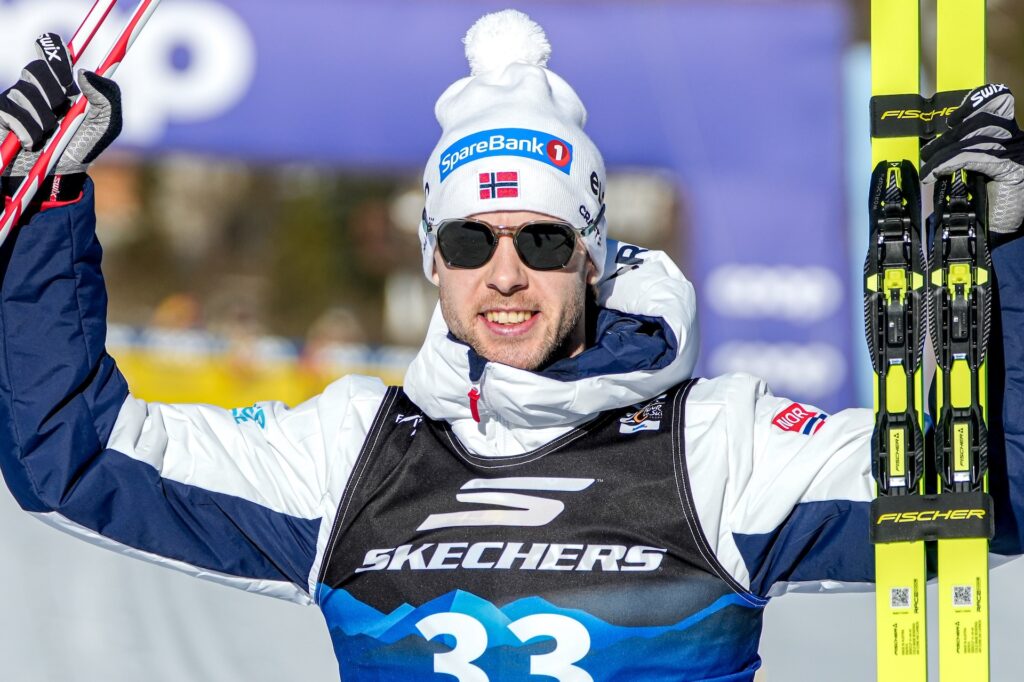
Mattis Stenshagen made the leap from outsider to World Cup winner and Olympic athlete last winter. After the season, the 30-year-old from Gausdal boasts Olympic participation, two World Cup victories, and a spot on the elite national team.
Behind this success lie thousands of training hours. Stenshagen is known for his meticulous attention to detail—from intensity management to ensuring that every session has a clear purpose.
Also Read: Norwegian cross-country skiing teams for season 2026/2027
Underestimating rest periods
Stenshagen observes that many underestimate or are unaware of the significance of the length of rest intervals between efforts in interval workouts. However, it is precisely the time between each effort that determines the type of session it becomes.
In this way, the same workout can transform into two completely different sessions, each with distinct purposes.
Technique or speed?
Stenshagen uses his favorite workout as a prime example: 10 x 3 minutes in zone 4 with 30 seconds to 2 minutes of rest.
“This session is great for achieving relevant technical benefits and providing a solid workout for the heart,” he says.
However, the session can fulfill two entirely different needs depending on the length of the rest periods. It can either become a controlled technique session or a competition-specific hard workout.
Stenshagen explains the difference this way.
“Short rest promotes technique. Long rest promotes speed,” he states.
“If you want to ramp it up and make the session more competition-specific, I recommend a 2-minute rest between efforts and a series rest of 4–5 minutes after the first five efforts,” says Stenshagen.
He prefers to perform the workout in a fixed loop so that progress can be measured as the fall season progresses. He also tends to run the efforts progressively, meaning slightly faster for each effort.
This is Stenshagen’s favorite workout: 10 x 3 minutes in Zone 4
Movement Type: Roller ski, running, or ski bounding.
Warm-Up: Start with a good general warm-up and possibly use the first two efforts to properly prepare for the session.
Main Set: 10 x 3 minutes in zone 4 (according to the Olympic top’s intensity scale). Use 30 seconds of rest for technique and controlled intensity, or 2 minutes of rest for speed. If the goal is speed, include a 4-5 minute rest after the first five efforts.
Cool Down: Cool down after the last effort.
Training Outcome: Technique and capacity
(Source: Swix Blog)
The rising star who faced a sudden halt
Stenshagen was a significant talent as a junior and U23 athlete, predicted to have a bright career. Then his body stopped responding.
The road back was long and challenging, and he has been on the verge of quitting several times. Most recently last year, after the World Championships in Trondheim fell through.
But he didn’t give up, and this winter he achieved his major breakthrough. Now, the 30-year-old from Gausdal has Olympic participation, two World Cup victories, and a spot on the elite national team.
Are you interested in traditional cross-country skiing? Click HERE and read more about it.
Subscribe to our newsletter
Most read
-
-
14.09.2026
-
06.03.2026
-
16.09.2026
-




More Articles
-
Gestblom will follow biathlon “from the TV couch” this winter
Swedish biathlon star Linn Gestblom is pregnant and will miss the entire upcoming season. She broke the news just over a month before the season opener.11.10.2026