Improving sleep with these nutrition tips
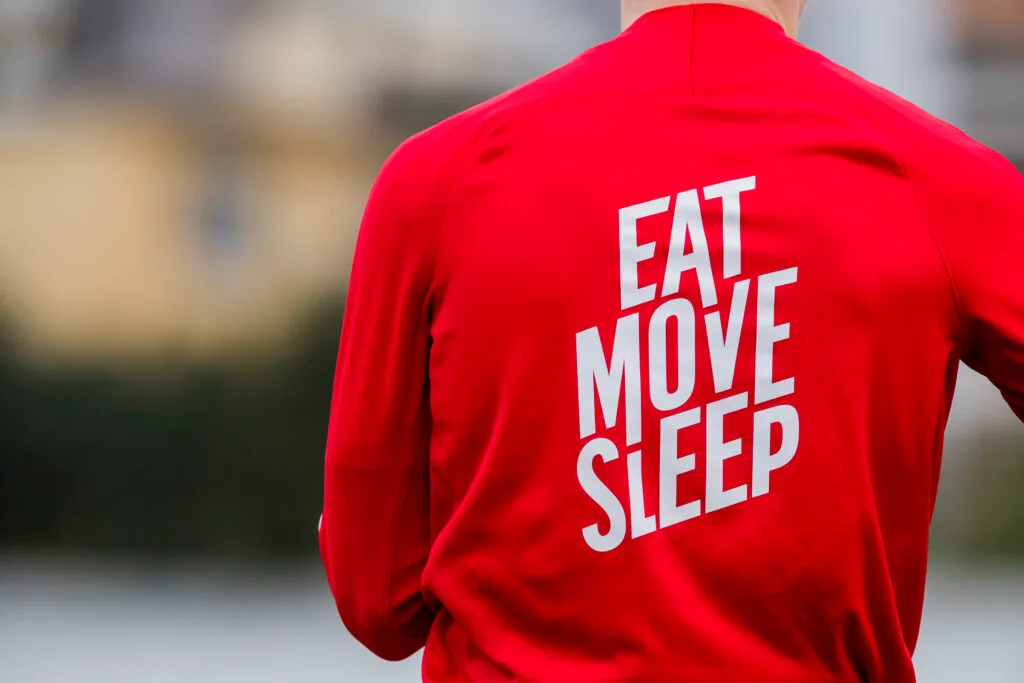
Sleep is an essential part of our daily rhythm, and for athletes, it is a crucial component of recovery and overall training.
Insufficient or poor-quality sleep quickly impacts the quality of training and overall alertness. Sleep can also be improved, and this article offers some nutritional tips to help enhance your sleep.
Sleep is undoubtedly one of the most important aspects of human life, but it is often insufficient, poor in quality, or otherwise neglected for various reasons. The impact of food on sleep is linked to the activation or deactivation of genes that influence the biological rhythm. Small dietary changes can be a good self-care alternative to sleep aids or medications.
The timing of meals affects falling asleep individually. Some people prefer to go to bed with a light stomach, while others are kept awake by even a slight feeling of hunger. Everyone must find their own optimal schedule. It is generally recommended to avoid heavy meals or slowly digesting foods, but this may not disturb everyone.
According to Maastohiihto.com, caffeine, glucose, ethanol, and vitamins A and B can hinder falling asleep. Consuming coffee or tea with even a small amount of caffeine, chocolate, or soft drinks in the evening can stimulate you just when you should start feeling tired according to your normal rhythm. For heavy coffee drinkers, caffeine’s effects diminish, and dependency increases, so simply missing caffeine causes a feeling of fatigue. According to studies, heavy coffee drinkers find the stimulating effect to be more about alleviating symptoms of caffeine deficiency and normalizing their state rather than reducing fatigue.
Alcohol may speed up falling asleep, but when used excessively, it results in fragmented sleep after falling asleep.
Also Read: The cornerstones of good nutrition for recreational skiers
Herbs for sleep aid in folk tradition
Using herbs as a sleep aid is an old folk tradition. Certain herbs have a relaxing effect on the central nervous system. Folk knowledge about herbs is scientifically seen as enhancing the action of sleep-promoting hormones.
It is estimated that a third of the herbal products used are specifically for aiding sleep, and various herbal remedies can be found in health food stores. They can also be used in various ways:
- Lemon Balm: The leaves can be added to all dishes as a seasoning or brewed into tea.
- Lavender: Traditional scented sachets in bed linens may aid sleep. You might try putting a few drops of lavender oil on a handkerchief and placing it inside the pillowcase.
- Hops: Hops are taken as an extract specifically for treating insomnia. It has a calming effect on the digestive system and central nervous system.
- Herbal Tea: Herbal tea may include valerian (valerian root), chamomile, and lavender. However, avoid excessive consumption in the evening to prevent waking up for bathroom visits!
- Wild Herbs and Vegetables: There is limited research on the sleep benefits of wild herbs, but there are some mentions of their effects along with certain vegetables. Potential aids include anise, celery, oat straw, clover, caraway, fennel, heather, garlic, ginger, marjoram, peppermint, parsley, catnip, kiwi fruit, and cherries.
Sleep-promoting foods also include those containing tryptophan, an amino acid that is a precursor to the sleep-regulating “dark hormone” melatonin. Foods containing tryptophan include:
- Dark green vegetables, eggs, beans, brown rice, fish, various vegetables, whole grain products, peanut butter, bananas, nuts
A small amount of tryptophan is also present in milk, so the tradition of warm evening milk is not without merit.
Foods that cause stimulation through dopamine secretion should be avoided:
- Bacon, aged cheeses, ham, processed meat products, potatoes, yogurt, eggplant, sauerkraut, spinach, tomatoes, wine
Is your vitamin D level adequate?
The importance of sufficient vitamin D intake for health is emphasized in many areas, and it is also involved in the production of the sleep hormone melatonin.
In various studies, deficiencies in several trace elements have been associated with insomnia. Sleep may be disrupted by deficiencies in calcium, zinc, or magnesium, but it is particularly associated with iron deficiency.
*This article was initially published on 24.08.2024 and updated today.
Are you interested in training for long-distance and traditional cross-country skiing? Click HERE and read more about it.
Subscribe to our newsletter
Most read
-
21.09.2026
-
-
14.09.2026
-
06.08.2026
-
06.03.2026





More Articles
-
Amund Riege and Stina Nilsson power to victory at Klarälvsloppet 2026
The Ski Classics Challengers event Klarälvsloppet, a 90km long-distance roller skiing race in classic technique, took place today in Karlstad, Sweden. Check out the results.20.09.2026