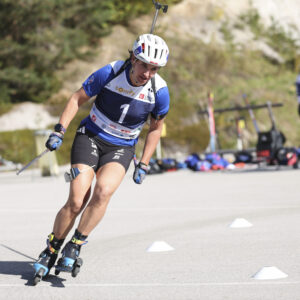
Training at altitude: a double-edged sword, but effective – how to maximize its benefits
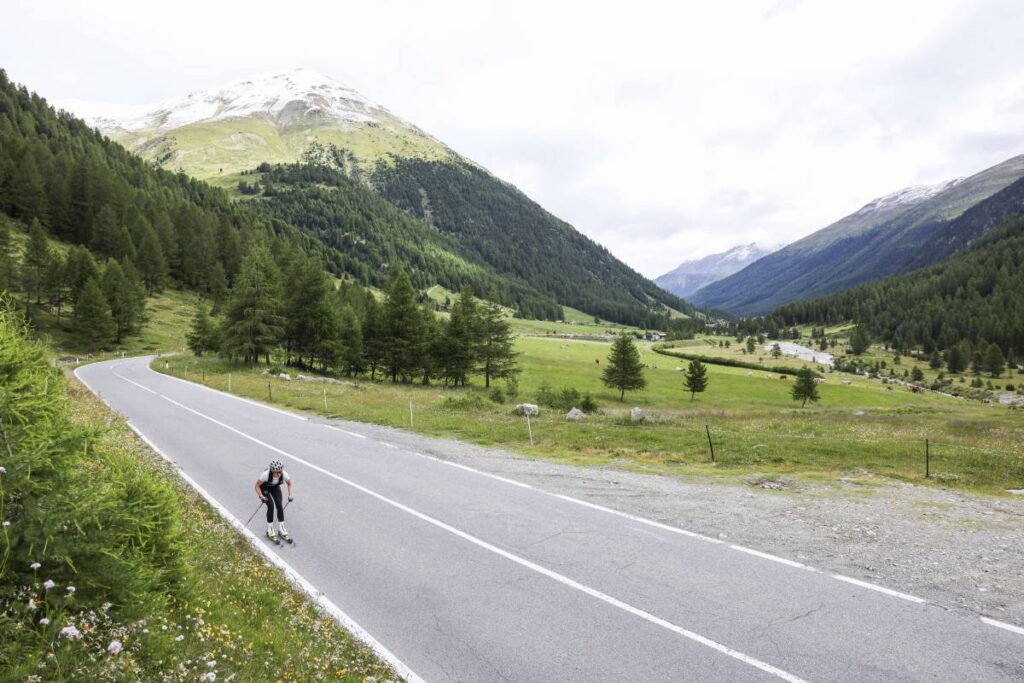
Are you looking to improve your physical fitness by training at higher altitudes, or planning to log your first kilometers on skis this season in one of the Alpine resorts? If so, do you understand the changes happening in your body, how to properly plan your training, and what mistakes to avoid?
Training at higher altitudes (typically between 1,800 and 2,500 meters above sea level) is a proven method for enhancing a skier’s physical condition. Both professionals and enthusiastic amateurs preparing for long-distance skiing events utilize this approach.
However, training at altitude is akin to walking on thin ice and is primarily suited for experienced athletes. The following text will guide you through what happens to your body at altitude, how to plan your training effectively, and what pitfalls to avoid.
Why train at altitude?
At higher altitudes, barometric pressure decreases, meaning you take in fewer oxygen molecules with each breath (known as hypoxia). The body responds to this deficiency by adapting, primarily through increased production of erythropoietin (EPO), which stimulates the kidneys to encourage bone marrow to produce more red blood cells. An increase in red blood cells enhances the blood’s ability to transport oxygen to working muscles. Additionally, there is an improvement in capillary density in the muscles and better breathing efficiency.
Upon returning to lower altitudes, the body possesses an “extra capacity,” leading to improved endurance and faster recovery.
Also Read: Why train at high altitude?
Training methodology
In classic skiing, there are several approaches to altitude training:
- Live High, Train Low:
- Most effective model: Live at altitude (above 2,000 m), where red blood cell production occurs, but conduct intense training (intervals, tempo) at lower altitudes (below 1,200 m). This way, you maintain muscle explosiveness and speed.
- Live High, Train High:
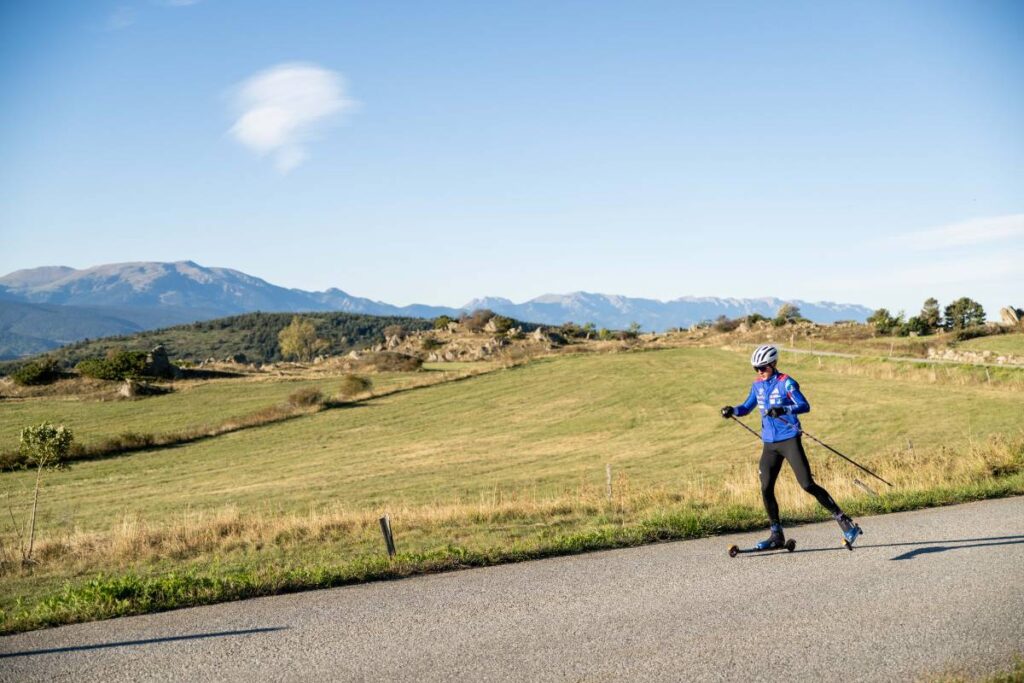
- Classic training camps in glaciers or high-altitude resorts (e.g., Livigno, Ramsau, Davos, etc.). Intensity must be significantly adjusted—fast training cannot be performed at the same pace as in the lowlands.
An effective altitude camp ideally lasts 18 to 21 days and is structured into three key phases, each with its specific significance and rules.
1. Acclimatization Phase (Days 1-5)
The primary goal of the initial phase is to allow the human body to gradually adapt to the lower partial pressure of oxygen. During these first days, training should consist of light aerobic loads in the first and second heart rate zones. Long, easy rides focused on technique, complemented by thorough stretching and recovery procedures, are recommended. It is crucial to note that heart rate will be significantly higher at the same pace compared to lower altitudes, so resist the temptation to race or increase your pace prematurely.
2. Main Training Phase (Days 6-16)
Once the body adapts, it’s time to develop endurance and specific strength on skis or roller skis. During this phase, higher intensity training is gradually incorporated. Threshold intervals or uphill segments are better controlled based on perceived exertion (RPE) and lactate levels in this environment. Measurements based solely on heart rate or speed can be misleading at altitude and may not reflect actual exertion.
3. Pre-Departure and Recovery Phase (Days 17-21)
The final part of the stay focuses on reducing overall training volume and fine-tuning form before returning. Training doses are slightly shortened, maintaining only short and precisely targeted intense stimuli to keep the body in operational condition without unnecessary fatigue.
Read More – Font-Romeu: a place that has become famous for high-altitude training, even as far away as Scandinavia
The article continues below.
When to expect supercompensation?
Upon returning from higher altitudes to lower elevations, a so-called acclimatization wave occurs, which directly affects racing performance.
Days one to three after returning often bring a feeling of excellent form and a surge of energy. However, between days four and nine, a phase of decline and noticeable fatigue sets in, as the body intensively rebuilds its blood profile and recovers; racing is strongly discouraged during this period.
The main window for supercompensation occurs between days ten and twenty-eight post-return. During this time, the body is fully recovered and benefits from the increased hemoglobin levels. This is when you should aim for your key races of the entire season.
Practical Tips
Adequate hydration
At higher altitudes, the air is significantly dry and breathing is accelerated, leading to substantial fluid loss. Therefore, it is essential to increase daily water intake by 1 to 1.5 liters compared to normal levels.
Iron supplementation
The production of new red blood cells requires a high consumption of stored iron in the body. Before heading to the camp, it is advisable to have a blood test for blood levels and to regularly supplement iron throughout the stay, ideally in combination with vitamin C for better absorption.
Adjusting nutritional intake
The human body burns more carbohydrates at altitude, even at rest. To avoid losing muscle mass and to maintain necessary energy levels, it is crucial to increase the intake of quality carbohydrates and proteins.
Ensuring sleep quality
Initially, sleep issues or mild headaches may occur due to adaptation to the environment. Therefore, it is essential to maintain strict sleep hygiene and allow the body ample time to rest.
Caution is key
Altitude training is a great servant but a poor master. If you underestimate acclimatization and start training too hard right from the first days, you risk overtraining and a weakened immune system. Approach altitude with humility, monitor your hydration and recovery, and you will be rewarded with excellent form during the main part of the ski season.
Also Read: Learn to train smart: How to avoid training stagnation
Are you interested in training for long-distance, traditional cross-country skiing and biathlon? Click HERE and read more about it.
Subscribe to our newsletter
Most read
-
-
14.09.2026
-
06.03.2026
-
16.09.2026
-



More Articles
-
Klæbo and Døsvik on the cover of Vogue
A week ago, the ski star opened the door to his new cabin at Skeikampen. This week, Klæbo and his fiancée are featured on the cover of the prestigious magazine Vogue.13.10.2026