France’s must-see mountain passes – part 1
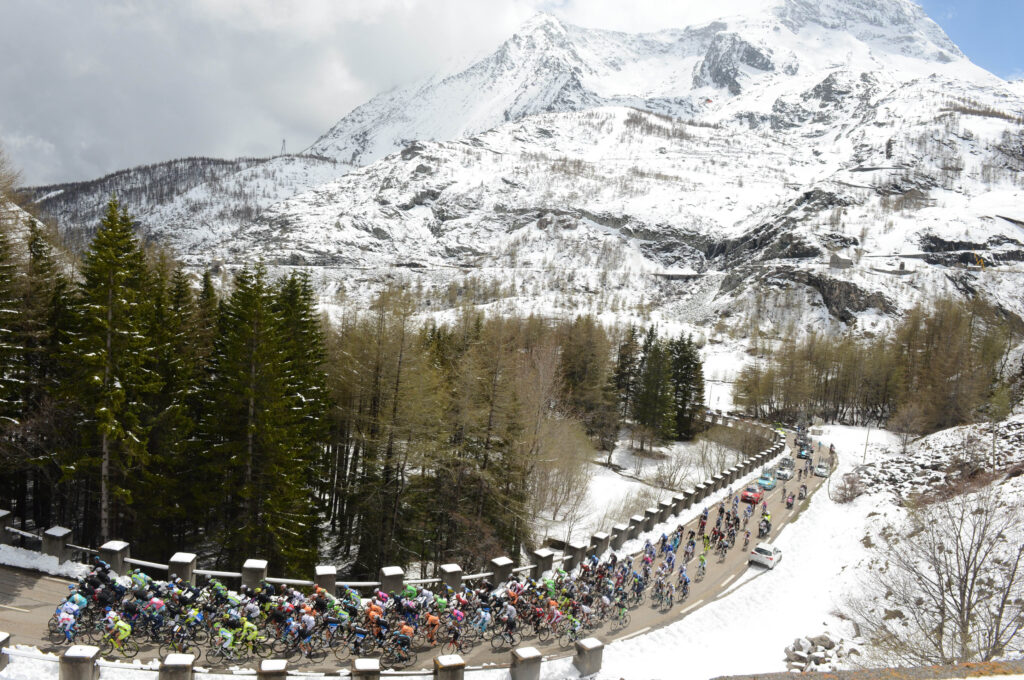
France’s mountainous terrain is full of legendary mountain passes and climbs, most of which have become famous thanks to the Tour de France peloton riding along.
If you’re a cycling enthusiast or an athlete looking for a mountain pass to conquer on roller skis, you’ll probably be interested in the first part of our list of France’s most legendary mountain passes.
If you plan to climb these passes on roller skis, make sure you have a way to get back down, as the descents may be too steep to tackle on roller skis.
The Galibier Pass (2642m): Two mountain passes, in one
Located in the Savoie department, the Col du Galibier is the fourth-highest mountain pass in France. Rising to an elevation of 2,642 meters, you can climb it from the Maurienne Valley side via the Col du Télégraphe, or from the Briançon side via the Col du Lautaret. The most popular route—because it is the most challenging—is still the one on the Maurienne side, passing through the village of Valloire.
You begin the climb at the Col du Télégraphe, which is 11.9km long with an average gradient of 7.1%, before starting a gentle 5km descent to the village of Valloire to begin the climb up the Col du Galibier. This mountain pass is 17.7km long with an average gradient of 6.9%, and sections with a gradient of 10% in the final kilometers. So, a total climb of 35km with 1,927 meters of elevation gain awaits you; be sure to bring plenty of food and water for the climb.
If you keep your eyes peeled as you climb, you’re sure to spot families of marmots in the mountain pastures.
The Grand Colombier Pass (1498m): The Giant of the Jura Mountains
Located in the Ain department, this mountain pass is unique in that it offers four different routes to the summit: From Artemare via Virieu-le-Petit, from Anglefort, from Culoz, or from Lochieu; so, you have a choice.
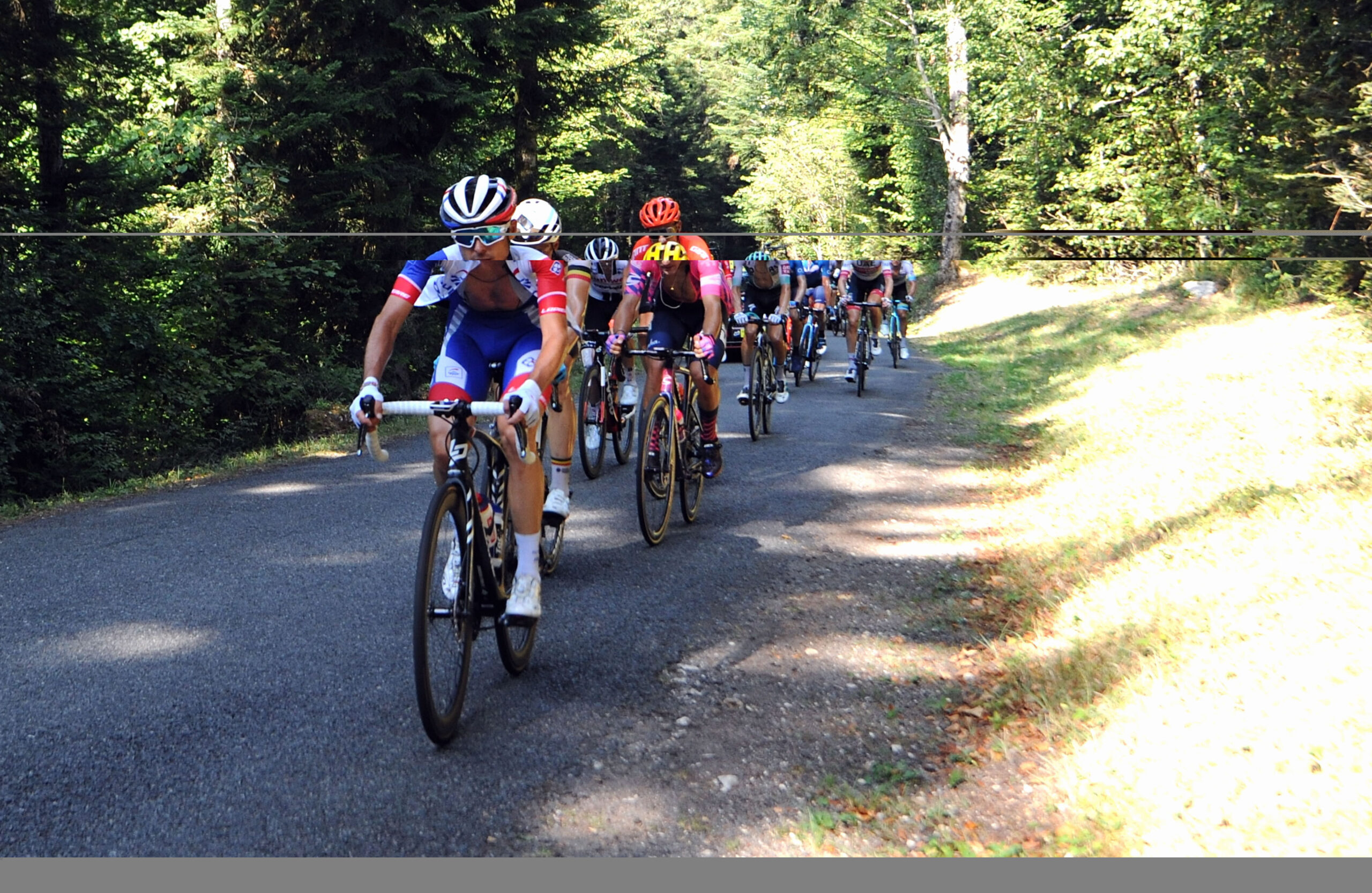
The best-known climb (though not necessarily the most difficult) is the one that starts in the village of Culoz. At 18.3km long with an average gradient of 6.8% (1,255 m of elevation gain), this climb might seem easy if it didn’t have sections with gradients exceeding 14%.
The most gruelling of these four climbs is the one from Virieu-le-Petit. With 15.4km at an average gradient of 8.1% and sections exceeding 21% (1,244 m of elevation gain), this climb is formidable.
So, choose your side!
The Tourmalet Pass (2115m): The Myth of the Tour de France
The Col du Tourmalet, which has been crossed 86 times by the world’s greatest cycling race, is located in the Pyrenees and is the third-highest pass in the range.
The western slope, near the village of Luz-Saint-Sauveur, is generally considered the most difficult. On this side, there is an 18.3-kilometer climb with an average gradient of 7.7%, including sections with gradients exceeding 10%.
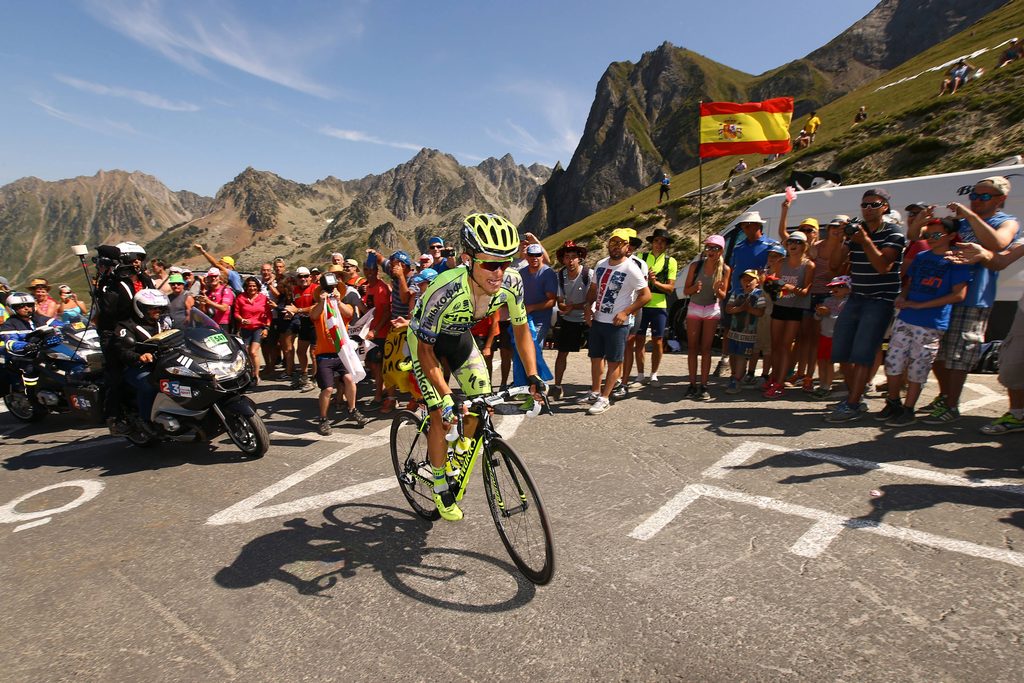
On the other side, the climb begins in the village of Sainte-Marie-de-Campan. This climb is considered “easier” because it has fewer steep slopes and is a little shorter. The average gradient is 7.4%, spread over the 17.1 km, with sections reaching 10%.
This year, Slovenian star Tadej Pogacar climbed the Col du Tourmalet from Sainte-Marie-de-Campan in 43 minutes and 12 seconds during Stage 6 of the 2026 Tour de France. Now it’s your turn to beat this world champion’s record.
In the next article on this topic, you’ll learn about the legendary climb up Alpe d’Huez, Mont Ventoux, and the Col de la Loze.
Also Read – CYCLING TRAINING: Climbing power repeats – forging the raw strength your skiing demands
Are you interested in training for Ski Classics, long-distance, traditional cross-country skiing, and biathlon? Click HERE and read more about it.
Subscribe to our newsletter
Most read
-
-
14.09.2026
-
06.03.2026
-
-
16.09.2026




More Articles
-
The Youth Team — Pro Team presentation Season XVIII
The Youth Team, Lager 157 Ski Team's development squad, continues its role as a stepping stone to the senior Pro Team roster, with one promotion and one new arrival shaping the roster for Season XVIII.20.10.2026