Trail running is more than just a summer workout for skiers
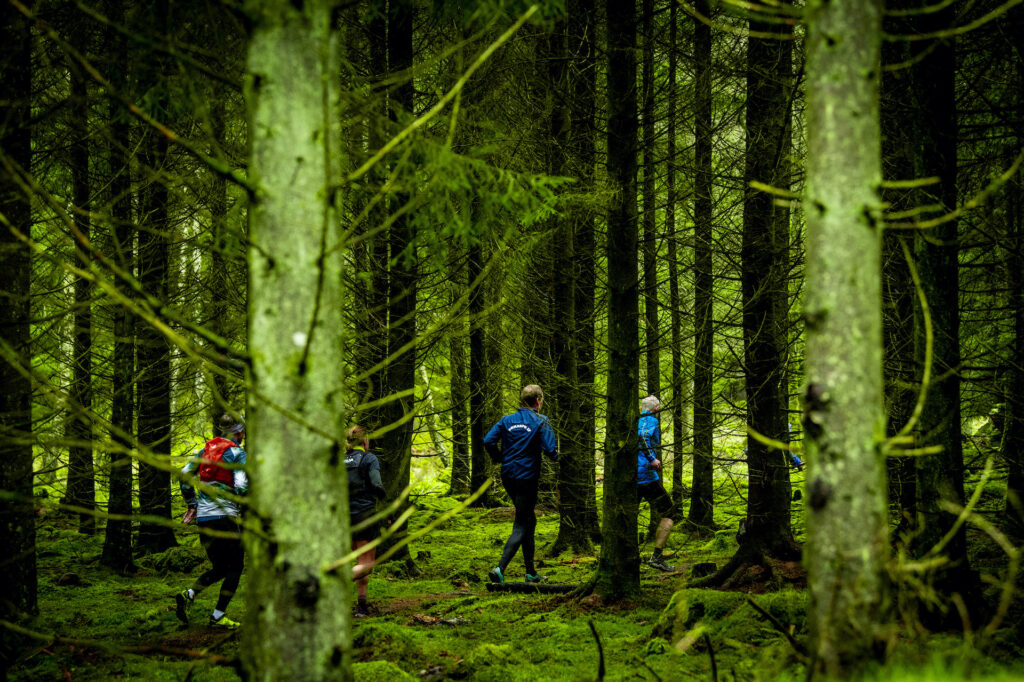
Trail running is an effective summer training method for cross-country skiers, developing balance, strength, and adaptability through varied terrain while keeping training mentally engaging.
Trail running has grown rapidly in popularity in recent years, and more and more skiers have adopted it as part of their summer training. The sport combines varied terrain, full-body muscular engagement, and the mental benefits of being in nature in a way that makes it an excellent training method for cross-country skiers.
Trail running coach Joni Seppä knows what he is talking about. With a background in competitive cross-country skiing, Seppä has seen the benefits of trail running both in his own training and through his coaching work. According to him, trail running is, alongside roller skiing, one of the most important forms of summer training for skiers because both involve moving through varied terrain and require the body to work in a versatile way.
Also Read: Nordic walking as ski training – from aerobic base to hill power
Varied terrain develops key skills for skiers
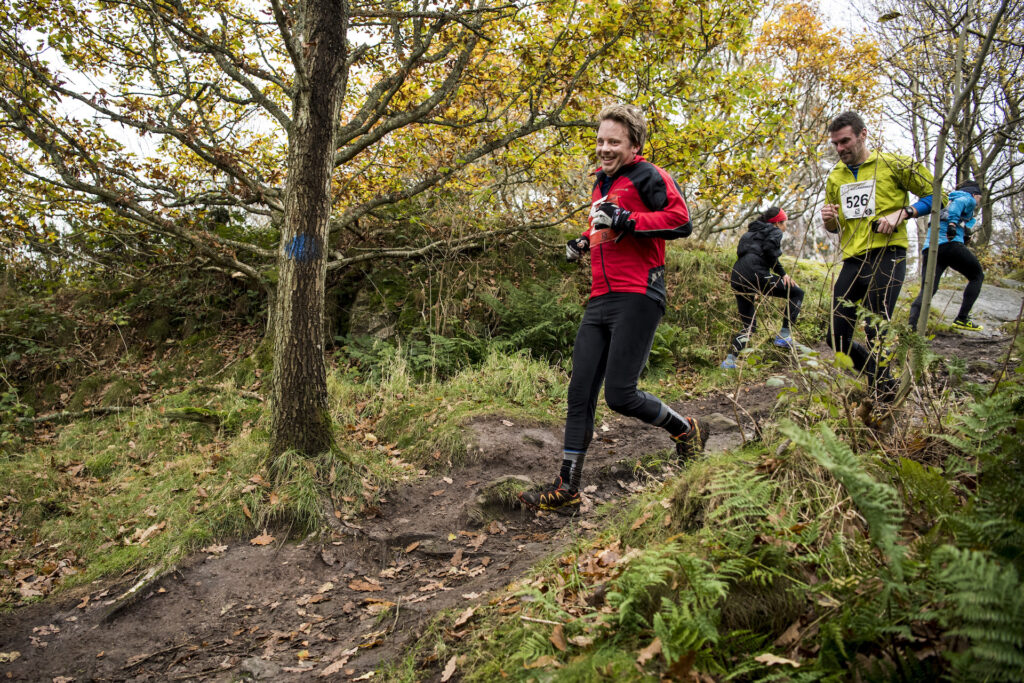
Running on trails differs significantly from running on flat surfaces. Roots, rocks, soft forest paths, and hilly terrain constantly challenge balance and stride. This is exactly what makes it so valuable for skiers.
According to Seppä, this mindset was instilled in him already at a young age.
“We were always told to choose needle-covered and root-filled trails over gravel tracks, let alone flat roads. On trails, every step is different, so even the smaller stabilizing muscles in the feet and hips are activated.”
Trail running improves balance, stride control, and stabilizing muscles in a way that flat running cannot match. At the same time, it helps reduce the risk of overuse caused by repetitive movement. For skiers, this translates into better body control, elasticity, and readiness to move efficiently in changing conditions.
A sport-specific training method for skiers
Skiing and trail running are different sports, but they share many training effects. Both involve climbs, descents, changes in rhythm, endurance, and the ability to control the body in uneven conditions.
That is why trail running is not just supplementary training for skiers, but highly sport-specific. It supports both physical development and the responsiveness needed in competition. On trails, each step adapts to the terrain, just as a skier must constantly adapt to changing conditions.
As a trail running coach, Seppä emphasizes that the diversity of terrain is what makes the sport so effective. On flat ground, the body is loaded in the same way step after step, whereas on trails the stimulus is constantly changing.
Nature makes training more enjoyable
The benefits of trail running are not limited to physical development. For many, enjoyment plays a key role in maintaining consistent training, and this is where trails have a clear advantage.
“The most beautiful places are usually found along trails. Roads are rarely built in the most scenic locations, but there is almost always a trail leading there. It has a big impact on how enjoyable training feels.”
Being in nature often makes training feel mentally lighter. When the surroundings vary, and the scenery rewards the effort, workouts tend to feel more engaging than monotonous runs on flat terrain.
Injuries are not an inevitable risk
Trail running is sometimes considered injury-prone, but Seppä disagrees. According to him, challenging terrain does not automatically increase the risk of injury and may even improve focus.
“Usually when you head out on trails, your mind prepares for it, and you are more focused. Even my own ankle sprains have happened on flat gravel paths, where I have accidentally stepped on a pine cone. Injuries usually occur when attention is at its lowest.”
However, Seppä advises beginners to progress gradually. There is no need to increase speed immediately. Confidence builds over time, and as the terrain becomes more familiar, movement becomes more natural.
The article continues below.
Summer races support winter goals
Trail running also offers competitive benefits for skiers. Summer trail races provide an opportunity to maintain race readiness even when the winter season is far away.
Seppä highlights the psychological importance of racing.
“I have often wondered why skiers nowadays compete so little outside the winter season. I personally found it mentally quite tough to go for months without races and then suddenly start competing in the autumn. It felt like reaching peak form was much harder.”
Summer races can serve as valuable stepping stones, helping to structure training and build competitive sharpness before winter. The same applies to recreational athletes preparing for long-distance ski events who want to develop climbing strength and endurance in a versatile way.
Trail running does not require expensive gear
Despite the wide range of trail running shoes available on the market, the sport is not equipment-heavy. According to Seppä, the most important factor is that the shoe fits well and provides a good feel for the ground.
Getting started does not require major investments, although more experienced runners may benefit from shoes with a more aggressive tread for better grip. Ultimately, the key is comfort and natural movement rather than gear.
A key part of the modern skier’s training
The message from trail running coach Joni Seppä is clear. Trail running is not just a pleasant summer activity for skiers, but a genuinely valuable part of their training. It develops stabilizing muscles, balance, endurance, and responsiveness while adding variety and enjoyment.
When this perspective comes from a trail running coach with a strong background in competitive skiing, it carries weight. Seppä speaks not as an outsider, but as a coach who understands the demands of the sport and why trail running is such an excellent fit for skiers.
Are you interested in training for long-distance, traditional cross-country skiing, and biathlon? Click HERE and read more about it.
Subscribe to our newsletter
Most read
-
21.09.2026
-
14.09.2026
-
-
06.08.2026
-
06.03.2026




More Articles
-
It’s official: Olympic champion Jacquelin skips the biathlon season for cycling
Emilien Jacquelin has confirmed what many had expected for weeks. The French biathlete will not race the 2026/2027 season and will instead keep chasing his dream on the bike.22.09.2026