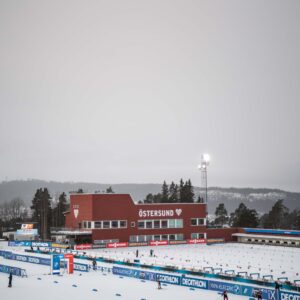
April is a month of rest and transition for skiers

April is an important transition period for skiers, when the long winter season gives way to recovery and the foundation for a new training season. Proper rest, light activity, and a gradual return to training create the basis for future development and help maintain motivation and performance in the long term.
After a long and demanding winter season, April represents a well-earned break for many skiers. Both competitive and recreational athletes step away from intensive training and shift their focus toward recovery, body maintenance, and mental refreshment. This period is often referred to as the transition phase, and its importance for the success of the next season is significant.
Read also: Maximizing summer training: A guide for recreational skiers
The Importance of the Transition Period
The transition phase does not mean complete inactivity, but rather smart recovery. Some skiers take a few weeks completely off from training and focus on recovery, sleep, and disconnecting from everyday routines. Others prefer light aerobic exercise without any performance pressure. This can include easy running, cycling, or other low-intensity activities where the goal is simply to feel good rather than to measure effort or results.
Top athletes also understand the value of rest. For example, Johannes Høsflot Klæbo is known for taking time off after the season and heading to warm destinations. This shows that true recovery is not a weakness, but an essential part of long-term development.
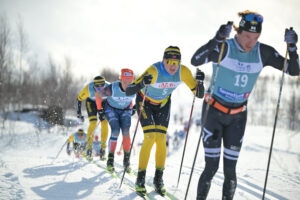
Even though training intensity decreases, it is still important to maintain a basic level of fitness. For skiers in particular, preserving upper body strength is essential. That is why some athletes transition to roller skiing already in the spring, as it provides sport-specific training without snow. Roller skiing can be an effective way to maintain technique and strength, but timing matters. Since roller skiing often continues throughout the entire dryland training season until winter, starting too early may lead to mental fatigue or loss of motivation later in the summer.
Strength Training and Low Intensity
Spring is also an ideal time to gradually reintroduce strength training. The main maximum strength phase is often scheduled for May, but it is beneficial to begin lighter strength work already in April. This allows the muscles to adapt progressively, reducing soreness and lowering the risk of injury when training intensity increases later. A controlled start makes the transition into more demanding training smoother and more effective.
There is no need for high-intensity sessions or interval training in April after a long competition season. The body and nervous system benefit more from lower-intensity work and proper recovery. However, for variety, it can be beneficial to include occasional moderate efforts, such as slightly faster-paced sessions or short bursts of speed. The goal is not to maximize performance, but to maintain a feel for race pace and keep training enjoyable and relaxed. Light changes in pace help keep the nervous system engaged and preserve movement efficiency without significantly increasing overall load.
Reflecting and Building for the Next Season
April also offers an important opportunity to reflect on the past season. What went well and what could be improved? Where was the most progress made and where is there still room to develop? With a rested mind, this reflection is often more honest and constructive. It is also the right time to set new goals and begin outlining the direction for the upcoming training season. Clear and motivating goals help athletes return to structured training with renewed energy.
The transition phase is much more than just a break from training. It is a strategic period where the body recovers, motivation is rebuilt, and the foundation for the next season is carefully established. A well-executed transition phase can help prevent overuse injuries, improve the quality of future training, and ultimately extend an athlete’s career. The choices made in April often have a lasting impact well into the next winter season, which is why this period should be approached with the same level of care as the competition season itself.
Training articles can be read on our sister sites in Sweden and Norway.
Subscribe to our newsletter
Most read
-
28.08.2026
-
-
14.09.2026
-
06.08.2026
-
06.03.2026




More Articles
-
Tour of Slovakia stage 4: One day without hills
On paper, the 197,5km from Beluša to Galanta is the easiest of this year’s Tour of Slovakia.19.09.2026