Easter through a skier’s eyes: Reflection, treats, and turning toward summer training
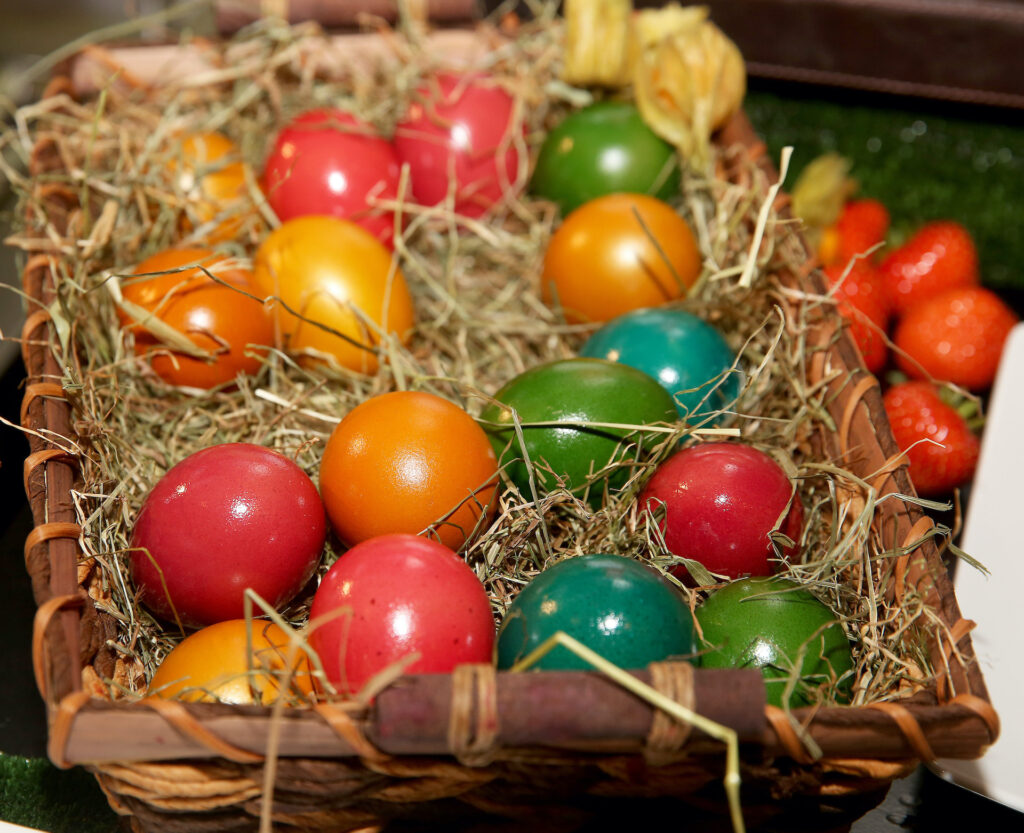
Easter marks a quiet turning point for skiers, a moment to slow down after the winter season, reflect on the journey behind, and begin looking ahead to summer training.
As the snow softens and days grow longer, it’s the perfect time to balance light movement, recovery, and simple seasonal pleasures. This article explores how to make the most of Easter as both a restorative pause and a fresh start.
The spring sun is shining, ski tracks are slowly melting, and there’s a sense of renewal in the air. For many Finns, Easter is not only a spiritual celebration but also a much-needed moment to pause—and for skiers, it holds a special meaning.
This time of year often marks the transition from the winter competition season to the summer training period. Easter offers the perfect opportunity to rest, reflect, and set new goals for the months ahead.
Also Read: Spring skiing conditions call for all skiers
The meaning and atmosphere of Easter
Easter is the most important celebration in the Christian tradition, symbolizing rebirth, hope, and light overcoming darkness. For many, it means church visits, traditional foods, Easter grass, and mämmi—but also time together, outdoor activities, and enjoying nature awakening after winter.
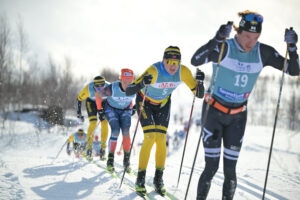
For skiing enthusiasts, this holiday is often the last chance to enjoy spring snow. The long weekend allows for longer sessions—perhaps in the fells of Lapland or on local trails near a cabin. Many take this final opportunity to ski in peaceful surroundings and let their thoughts flow freely.
A skier’s Easter: Rest or activity?
For competitive and active skiers, Easter falls in a unique training phase—the transition period. The season has just ended or is coming to a close, and both body and mind need recovery.
During this time, it’s beneficial to:
- Take it easy: Spend 1–2 weeks doing low-intensity activities—easy skiing, cycling, walking, or mobility work
- Prioritize sleep: Quality sleep is the cornerstone of recovery
- Eat well: Enjoy Easter foods without guilt—they can absolutely be part of an athlete’s diet
- Reflect and plan: Review the past season and begin shaping your next goals
Training tip: Light outdoor combination session
Easter session for body and mind:
- 30 minutes of easy pole walking or skiing (if snow is still available)
- 20 minutes of mobility work outdoors or on a terrace: spinal rotations, glute activation, shoulder blade mobility
- 10 minutes of calming recovery work, such as yoga stretching
- Finish with 3 × 1 minute brisk walking or light running, with 1-minute recovery between efforts
This session is ideal for the early transition phase—supporting recovery while gently stimulating the body.
Easter treat: Lemon quark pie (Athlete-friendly version)
A fresh, protein-rich Easter dessert (lactose-free and easily gluten-free)
Base:
- 2 dl oat flour or gluten-free flour mix
- 0.5 dl almond flour
- 0.5 dl rapeseed oil
- 2 tbsp honey
- 1 egg
- 1 tsp baking powder
Filling:
- 500 g quark (or thick yogurt alternative)
- 1 dl plain yogurt
- Zest and juice of 1 organic lemon
- 1–2 tbsp honey or sugar (to taste)
- 2 eggs
- A pinch of vanilla
Instructions:
- Mix the base ingredients and press into a greased pie dish.
- Combine the filling ingredients and pour over the base.
- Bake at 180°C (350°F) for 30–35 minutes, until set and lightly golden.
- Serve chilled—perfect as a post-workout snack.
A sample schedule for recovery on the holiday weekend
Good Friday
- Morning: Light outdoor exercise or skiing
- Afternoon: Mobility work and relaxed family time
- Evening: Easter dinner and recovery
Saturday
- Morning: Easter session for body and mind
- Afternoon: Sauna, perhaps mämmi or lemon pie
- Evening: Quiet time—reading or music
Sunday
- Morning: Long breakfast and light activity
- Daytime: Plan next week’s training, outline your summer training structure
- Evening: Active recovery—easy cycling or walking
Monday
- Rest day or mobility session
- Create a weekly plan and write down insights from Easter
Easter is more than a holiday — It’s a turning point
Easter reminds us that balance is the foundation of everything—both in sport and in life. Now is the time to recover, reconnect with the spring season, and begin building toward the future.
Wishing all skiers a peaceful and refreshing Easter—on and off the trails!
Read more about Easter here.
Subscribe to our newsletter
Most read
-
21.09.2026
-
14.09.2026
-
-
06.08.2026
-
06.03.2026


More Articles
-
It’s official: Olympic champion Jacquelin skips the biathlon season for cycling
Emilien Jacquelin has confirmed what many had expected for weeks. The French biathlete will not race the 2026/2027 season and will instead keep chasing his dream on the bike.22.09.2026