Doping through the eyes of a leading sports physician: “Beware of dietary supplements”
While human anatomy has remained largely unchanged for millennia, athletic performances are reaching levels that were unimaginable just a few decades ago. Where does clean preparation end and where does unfair advantage begin?
The boundaries of human potential are constantly being pushed. Leading sports medicine expert Dr. Jiří Dostal discusses the phenomenon of doping, its political background, myths surrounding dietary supplements, and famous scandals.
Who is Dr. Jiří Dostal?
Dr. Jiří Dostal is the head physician of sports physiology and co-founder of the Institute of Sports Medicine (established in 2011), which is one of the specialized centers for sports medicine in the Czech Republic.
He graduated from the 2nd Faculty of Medicine at Charles University and studied management at MCE in Brussels. He holds a certification in internal medicine and has gained professional experience at top clinical facilities, such as Nemocnice Na Homolce and IKEM, as well as in the role of healthcare facility manager.
In his practice, he specializes in elite sports, extreme performances, and issues of underperformance.
What is doping and why do we demonize it?
From a legal standpoint, the World Anti-Doping Agency (WADA) defines doping clearly: it involves the use of substances or methods listed on the prohibited substances list. Anything outside this list is formally allowed. The goals of doping vary by sport: it can aim for increased strength, endurance, explosiveness, or accelerated recovery.
However, some substances are demonized in the public eye without a deeper understanding of physiology. An example is erythropoietin (EPO), a method from the blood manipulation category. “Administering EPO may not even enhance performance in an endurance athlete,” warns Dr. Dostal. EPO only works if the limiting factor for the athlete’s performance is oxygen delivery. If an athlete struggles with movement economy or oxygen utilization in muscles, even transfusions won’t help.
Similar ambiguity exists with common medications. Pure single-component pain relievers (ibuprofen, aspirin) are allowed, but their combinations with stimulants pose risks.
Also Read: How to dose and use caffeine
The myth of vitamin C
Modern science offers surprising insights into common dietary supplements. While electrolyte drinks or gels from reputable manufacturers are safe, the widely used vitamin C can paradoxically hinder training effects.
“Several studies have unequivocally demonstrated a slowdown in recovery after vitamin C administration due to extreme reduction of free radicals,” explains the physician. Free radicals are essential after training because they stimulate protein repair and muscle regeneration. Their artificial suppression slows this natural process.
The dietary supplement market also hides a significant risk of contamination. Studies show that 10 to 15% of supplements contain prohibited substances not listed on the label. Therefore, a skeptical rule applies in the sports world: dietary supplements often do not contain what you expect from them, but rather what you do not expect.
Technological hypoxia vs. genetics
Discussions often revolve around tents simulating high-altitude environments (hypoxia). According to WADA rules, this does not constitute doping, but its real benefits are difficult to prove. Hypoxic stimulation is such a complex process that standard blood tests cannot determine whether the tent was effective. A highly specialized method called thbMass is required, which is conducted by the Institute of Sports Medicine in the Czech Republic.
Conversely, genetic advantages, such as those seen in Jamaican sprinters or Kenyan runners, cannot be considered unfair. They are a natural evolution of the species in a given area combined with a well-developed national system for talent identification and development.
Read More: Olympiatoppen takes action following Sivert Bakken’s death
Politics, business, and the pursuit of the past
In recent years, we have witnessed massive medal withdrawals and retroactive disqualifications. According to Dr. Dostal, doping has become a political tool in the struggle between powers, as demonstrated by the blanket punishment of Russian athletes and subsequent hacking attacks revealing irregular biological passports of Western athletes.
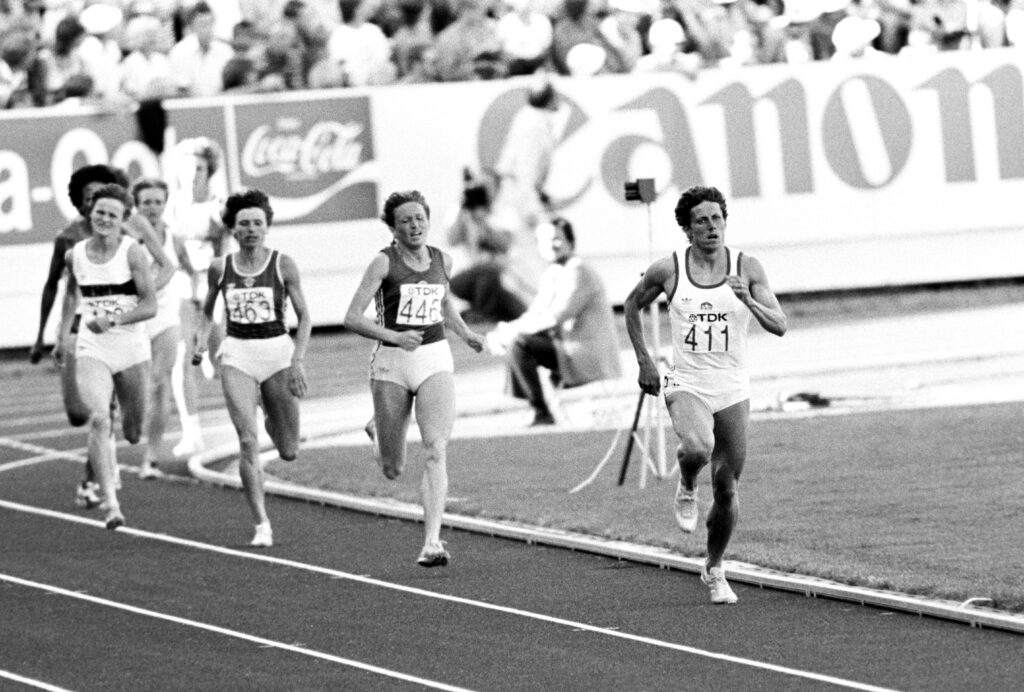
While in Russia or the former GDR, doping was part of a state-controlled system, such indications are lacking in the West. Nevertheless, the physician does not harbor illusions that Western sports are entirely clean. Retesting samples from five years ago shows technological advancements in medicine, but from WADA’s perspective, it is more of a marketing tool for strength. Efforts to erase historical records (e.g., Jarmila Kratochvílová) are labeled as pure politics.
Also Read: Doping suspicion emerges over ski star’s World Championship gold
The future
Although it seems that laboratories are always a step ahead of regulators, elite sports today are likely cleaner than in the past. World records are no longer being broken as dramatically as they were in the 1980s. Economic and social factors now play a significant role against doping:
- Strict punitive measures from WADA and statistical monitoring through biological passports.
- Uncompromising stance from sponsors who do not want to lose credibility and include termination clauses in contracts.
- Extreme financial burden of sophisticated doping.
- Social ostracism of convicted athletes in the media.
However, the real danger has shifted elsewhere. While professionals are under scrutiny, amateur and hobby sports are experiencing a massive and uncontrolled surge in doping, posing a significant health risk.
Icons under a shadow of doubt
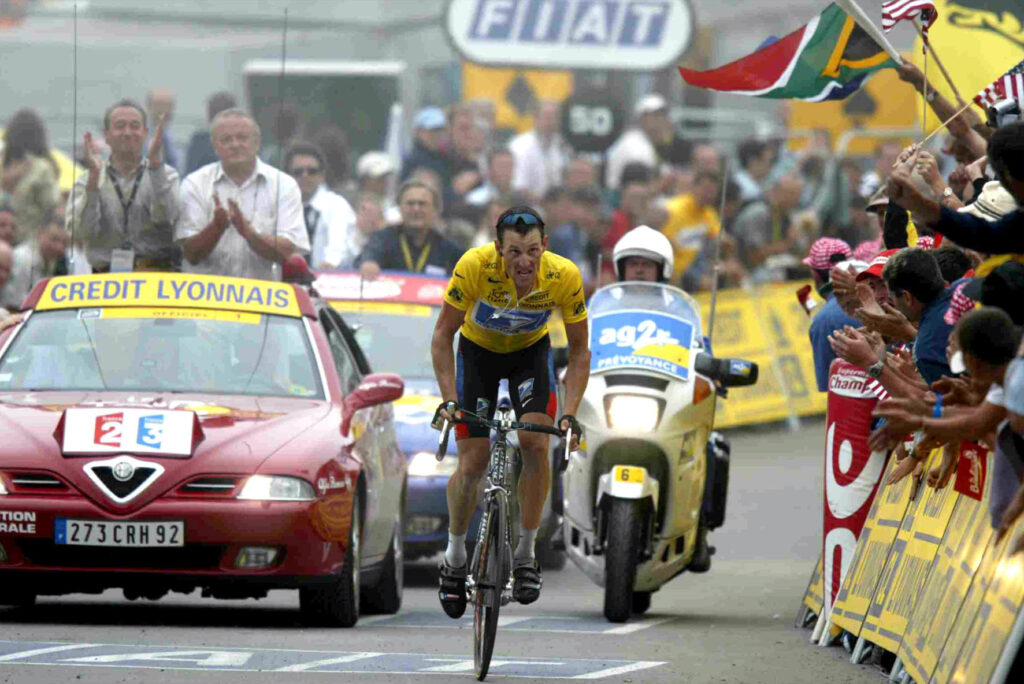
When looking at specific cases, one cannot overlook Lance Armstrong, whose systematic doping (a mix of growth hormones, corticosteroids, anabolic steroids, and EPO) was detailed in the documentary The Armstrong Lie.
The situation is more complex for the fastest man on the planet, Usain Bolt. Although he remains clean according to anti-doping rules, moral questions linger. Bolt was under the care of a specialist who used substances on the edge of the rules, which were alternately banned and allowed. For the International Association of Athletics Federations (IAAF), however, Bolt is such a key icon for popularizing the sport that any potential conviction would have fatal consequences for the entire sports industry.
Crime and gray areas will always be a step ahead of the rules; however, the goal is to ensure that this lead is not vast.
Subscribe to our newsletter
Most read
-
-
14.09.2026
-
06.03.2026
-
16.09.2026
-




More Articles
-
Frida Karlsson prepares for home World Championships: “I hope to put on a show”
In 2015, she stood in the sea of spectators in Falun. Now the World Championships are returning – and double Olympic champion Frida Karlsson has one goal. She wants to put on a show.15.10.2026