Core Strength: The secret weapon for traditional cross-country and long-distance skiing
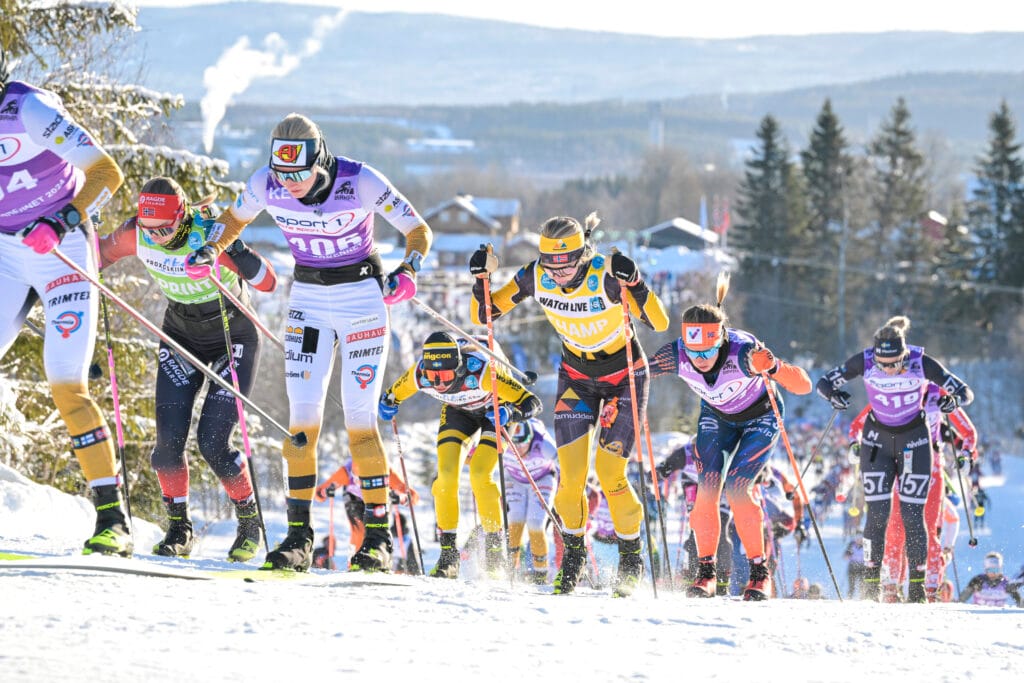
As traditional cross-country and long-distance skiers gear up for the upcoming winter season, core strength should not be overlooked. A strong core can make a big difference in skiing performance, helping to maintain good form and technique when fatigue sets in.
So, what are the best core exercises for skiers, and how can you incorporate them into your pre-season training routine?
Planks are a classic core exercise that works not only the abs but also the muscles in your back and hips.
To perform a plank, start in a push-up position with your arms straight and your hands shoulder-width apart. Lower your forearms to the ground, keeping your elbows directly beneath your shoulders. Your body should form a straight line from head to heels. Hold the position for at least 30 seconds, and gradually increase the time as you get stronger.
Russian twists are another effective core exercise for skiers.
This exercise targets the oblique muscles on the sides of your torso, which help with twisting and turning movements. To do a Russian twist, sit on the ground with your knees bent and your feet flat on the floor. Lean back slightly and lift your feet off the ground. Hold a medicine ball or weight plate with both hands and twist your torso to one side, touching the ball or plate to the floor next to your hip. Return to the center, then twist to the other side and touch the ball or plate to the floor. Repeat for several reps.
Leg lifts are an excellent exercise for targeting the lower abs, which can be especially important for skiing.
To do a leg lift, lie on your back with your legs straight up in the air. Slowly lower your legs back down to just above the ground, then lift them up again. Repeat for several reps.
Bicycle crunches are another exercise that works the entire core, including the oblique muscles.
For bicycle crunches, lie on your back with your hands behind your head and your legs bent. Lift your head and shoulders off the ground and bring your right elbow to your left knee while extending your right leg out straight. Return to center, then switch sides and bring your left elbow to your right knee.
Resistance bands are a great way to add variety to your core workouts.
You can use resistance bands for exercises like woodchoppers, where you stand with your feet shoulder-width apart and pull the band diagonally across your body, or standing rotations, where you hold the band with both hands and twist your torso back and forth.
It’s important to remember that proper form and technique are crucial for effective and safe core training.
When performing planks, ensure your body forms a straight line from head to heels, and avoid letting your hips sag or glutes stick up. Keep your back straight and your core engaged when doing Russian twists, and avoid twisting too far. When using resistance bands, choose a band with the appropriate resistance level for your fitness and maintain control throughout the movement.
As with any new exercise routine, starting slowly and gradually increasing the difficulty and duration of your workouts is essential. Listen to your body, and don’t push yourself too hard, especially if you’re new to these exercises. With consistency and dedication, you can build a strong core that will help take your skiing to the next level.
So, as you prepare for the upcoming ski season, remember to prioritize your core training. By incorporating exercises like planks, Russian twists, leg lifts, bicycle crunches, and resistance band exercises into your pre-season routine, you can build a strong and stable core that will help you maintain good form and technique when it counts.
But core training is just one piece of the puzzle. Traditional cross-country and long-distance skiing require a combination of endurance, strength, and technique. In addition to your core workouts, incorporate cardio exercises like running, biking, and roller skiing, as well as strength training exercises like squats, lunges, and deadlifts to build overall fitness and power.
And remember to work on your skiing technique as well. Practice good posture and weight transfer, and work on improving your balance and agility. If you’re new to skiing, consider taking lessons from a qualified instructor to help you get started on the right foot.
With a well-rounded training plan that includes core strength, cardio, strength training, and technique work, you’ll be well-prepared for the upcoming ski season. So, what are you waiting for? Get started today, and get ready to crush your goals on the snow next season!
Are you interested in training for traditional cross-country and long-distance skiing? Click HERE and read more about it.
Subscribe to our newsletter
Most read
-
-
14.09.2026
-
06.03.2026
-
-
16.09.2026



More Articles
-
Olympic door opens for Johaug: reveals ongoing conversations
Both Olympic and World Championship doors swing wide open for Therese Johaug, as conversations are revealed.23.10.2026