
The ABCs of the transition period for cross-country skiers
A quick A–Z guide to the transition period for cross-country skiers—covering recovery, dryland training, and how to set up the new season the right way.

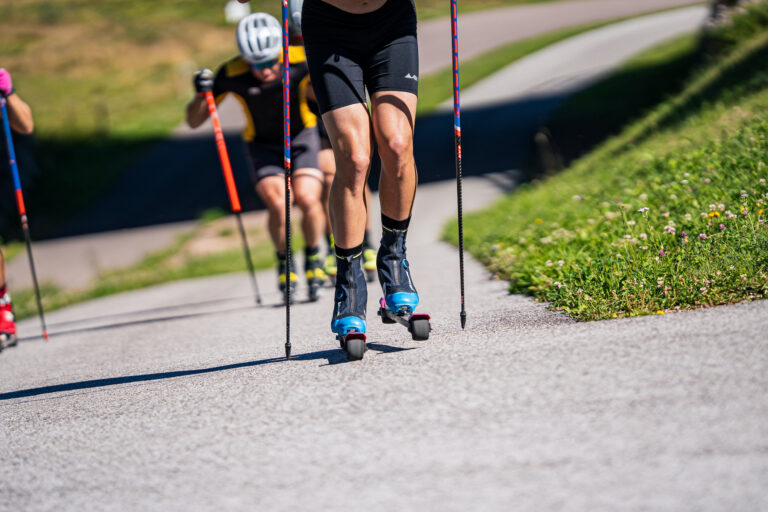
A quick A–Z guide to the transition period for cross-country skiers—covering recovery, dryland training, and how to set up the new season the right way.

Nutrition is essential for cross-country skiers to sustain energy, enhance performance, and support recovery. A balanced diet and proper hydration help athletes train effectively and perform at their best.
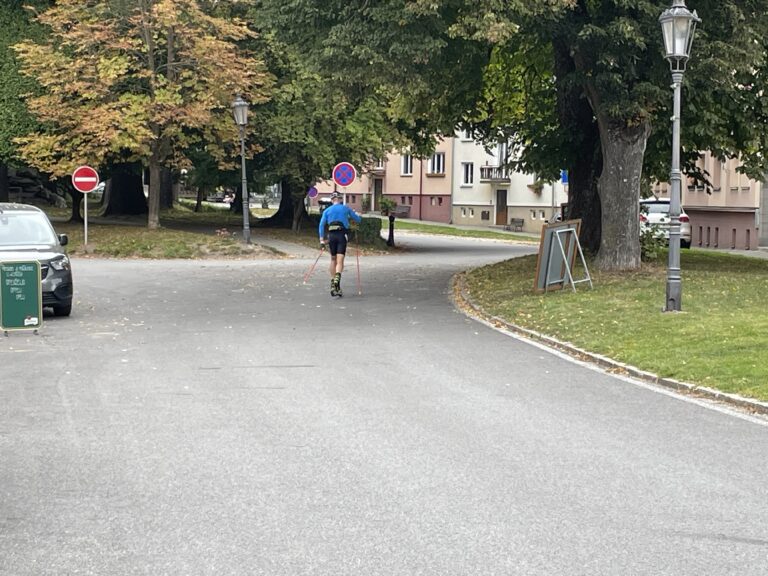
Spring is an important but often underestimated phase for recreational skiers. The transition period in April and May helps you recover from winter, build a fitness base, and take your first steps toward summer training – in a relaxed but effective way.
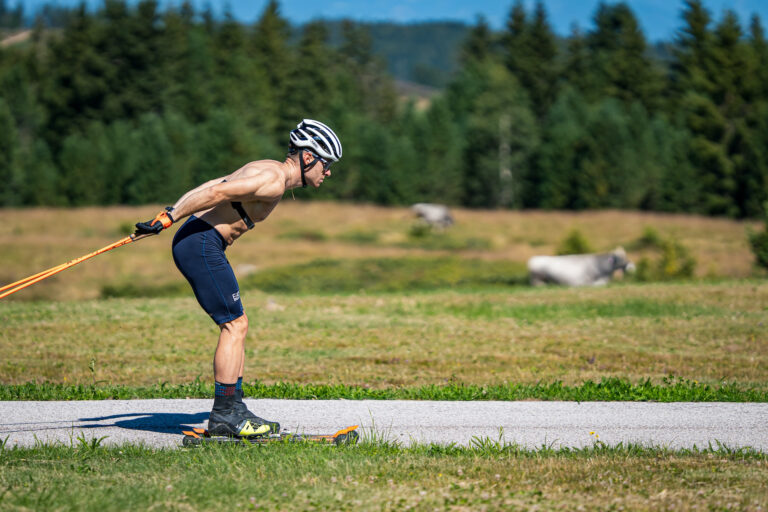
April is an important transition period for skiers, when the long winter season gives way to recovery and the foundation for a new training season. Proper rest, light activity, and a gradual return to training create the basis for future development and help maintain motivation and performance in the long term.

Easter marks a quiet turning point for skiers, a moment to slow down after the winter season, reflect on the journey behind, and begin looking ahead to summer training.
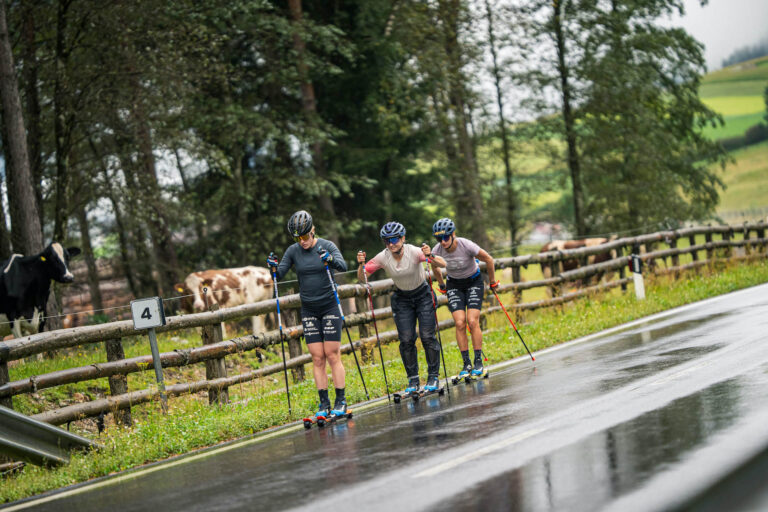
Summer is where stronger winter performances are built. With the right balance of endurance, strength, technique, and recovery, recreational skiers can significantly improve their fitness and confidence before the snow returns.

Last week, Team Engcon presented its roster for the Ski Classics Pro Tour Season XVII, and one of the most notable absences was long-distance star Ida Dahl.

Athletes may sometimes wonder why their fitness has not improved as expected and why there has yet to be progress. Training has been done as planned, and the workout has been more challenging than ever before. So why not? The sluggishness can be as simple as eating the wrong foods or not enough, or a lack of rest and primarily a lack of quality sleep. The fourth part of our series of articles on recovery will familiarize you with these issues.

A series of articles on recovery has been published on ProXCskiing.com. Part 3 of the series (3a) started with cold therapy, and this sequence looks at the effectiveness of hot and contrast therapy in optimizing recovery.

Do you have the habit of jumping into a lake to cool off after a sweaty run in the summer? Or perhaps you run from the sauna into a snowdrift during winter? If you answered yes to either of these, you may have unknowingly been aiding your recovery from workouts.
End of content
End of content