The ABCs of the transition period for cross-country skiers
A quick A–Z guide to the transition period for cross-country skiers—covering recovery, dryland training, and how to set up the new season the right way.
As the snow disappears and the race season fades, cross-country skiers enter a crucial yet often underestimated phase of the training year: the transition period. April and May serve as a bridge between winter performance and the structured build-up toward summer training. Rather than being a simple “off-season,” this period is about resetting, rebalancing, and preparing both body and mind for the work ahead. Approached correctly, it lays the foundation for consistent progress and peak performance in the months to come.
Also Read: Running is a key part of a skier’s spring training
A — Active recovery comes first
After a demanding winter, the body needs time to recover from accumulated fatigue. This doesn’t mean stopping entirely, but rather reducing both volume and intensity while maintaining light activity. Active recovery helps restore hormonal balance, repair muscle tissue, and refresh mental energy.
- Reduce training load by 30–50%
- Prioritize sleep and low-intensity movement
- Include unstructured activities like walking or easy cycling
B — Build general fitness
With racing behind you, the focus shifts from specificity to general aerobic development. This is the time to broaden your fitness base through varied activities that support endurance without the stress of high-intensity skiing.
- Emphasize low-intensity endurance sessions
- Use cross-training (cycling, swimming, hiking)
- Keep heart rate mostly in easy zones
C — Consistency over intensity
The transition period rewards steady, repeatable training rather than hard efforts. Establishing a consistent routine is more valuable than pushing intensity too early.
- Train regularly but keep sessions easy
- Avoid structured intervals
- Focus on building sustainable habits
D — Dryland mindset shift
Moving from snow to dryland requires both physical and mental adaptation. Training movements won’t feel natural at first, and that’s part of the process.
- Accept changes in movement patterns
- Focus on coordination and balance
- Be patient with technique transfer
E — Equipment care & storage
Before putting your skis away, proper maintenance ensures they remain in optimal condition for next winter. Neglecting this step can affect performance and longevity.
- Clean ski bases thoroughly
- Apply storage wax without scraping
- Store equipment in a cool, dry place
F — Flexibility & mobility
Race season often limits time for mobility work, making spring the ideal moment to address restrictions and imbalances. Improved mobility supports better technique and reduces injury risk.
- Target hips, ankles, and thoracic spine
- Add mobility sessions 2–3 times per week
- Use stretching, yoga, or dynamic drills
G — Gradual return to running
Running becomes a key component of dryland training, but it must be introduced carefully to avoid overuse injuries, especially after months of skiing.
- Start with short sessions on soft surfaces
- Progress duration gradually
- Monitor calves, Achilles, and knees
H — Hold back early
Motivation often returns quickly after a short break, but pushing too hard too soon can undo recovery gains and increase injury risk.
- Resist the urge to test fitness
- Keep intensity low despite feeling strong
- Focus on long-term progression
I — Injury prevention focus
The body is vulnerable during transitions between training modes. Paying attention to early warning signs and strengthening supportive structures is essential.
- Introduce new activities gradually
- Include stability and prehab exercises
- Address minor discomfort before it escalates
J — Just move
This period is also about rediscovering enjoyment in movement without strict structure. Variety can refresh motivation and build a broader athletic base.
- Try different sports and activities
- Keep some sessions unstructured
- Focus on enjoyment and exploration
K — Keep technique in mind
Even without snow, maintaining ski-specific coordination is important. Light technical work helps preserve efficiency for later phases.
- Include imitation drills and bounding
- Practice balance and coordination
- Use feedback or video when possible
L — Light strength training begins
Strength training should restart with a general focus, emphasizing control and proper movement patterns rather than heavy loads.
- Use bodyweight and light resistance
- Focus on core and stability
- Build a base for heavier training later
M — Mental reset
The psychological side of training is just as important as the physical. A short mental break helps restore motivation and clarity.
- Step back from strict goals temporarily
- Reflect on the past season
- Set new intentions gradually
N — Nutrition reset
With racing demands gone, nutrition can shift toward supporting recovery and general health rather than peak performance fueling.
- Focus on balanced, nutrient-dense meals
- Support immune function and recovery
- Avoid extreme dietary changes
O — Outdoor variety
Spring conditions open opportunities for diverse training environments, which can enhance both physical development and motivation.
- Incorporate hiking, cycling, and trail running
- Use nature to vary training stimuli
- Keep sessions engaging and fresh
P — Plan the season ahead
This quieter phase is ideal for stepping back and looking at the bigger picture. Thoughtful planning now prevents rushed decisions later.
- Set realistic long-term goals
- Outline training phases
- Schedule camps and key periods
Q — Quality movement over quantity
Early in the training year, how you move matters more than how much you do. Efficient movement builds a stronger foundation.
- Focus on technique in all activities
- Avoid training in a fatigued, sloppy state
- Prioritize control and precision
Article continues below

Photo: Manzoni/NordicFocus.
R — Roller-ski introduction
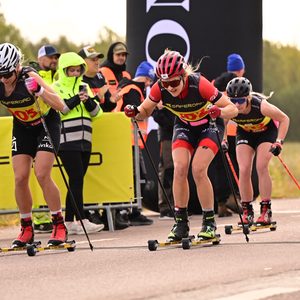
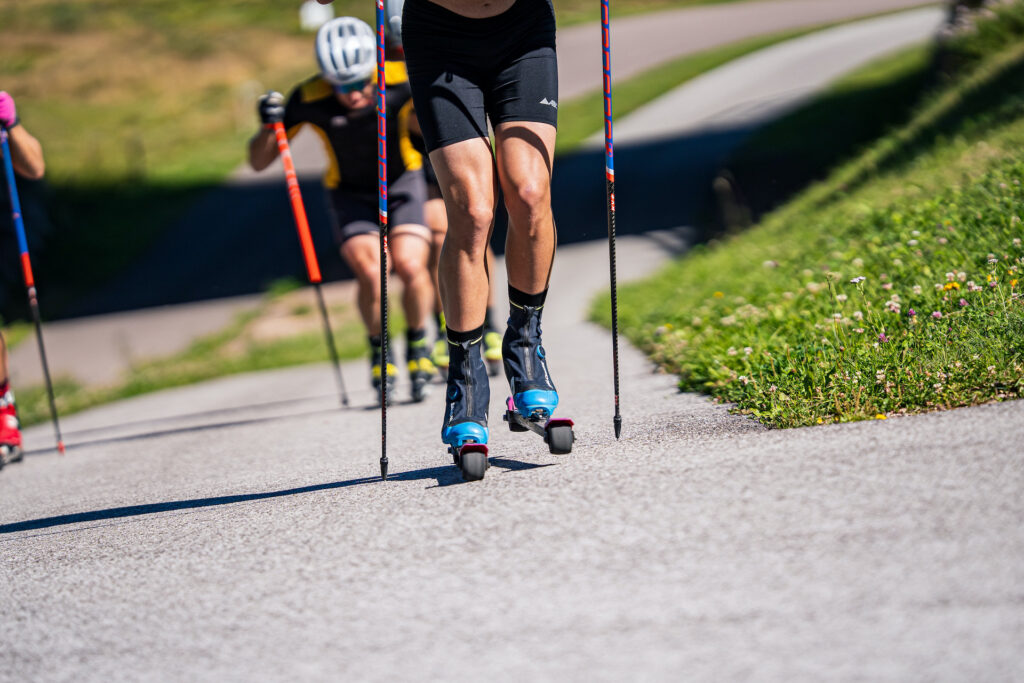
Roller-skiing reintroduces ski-specific movement but comes with technical and safety challenges, especially early on.
- Start with 1–2 easy sessions per week
- Practice balance and braking
- Choose safe, low-traffic terrain
S — Strength progression strategy
Strength development should follow a logical progression, starting with stability and moving toward more demanding work later.
- Build core stability first
- Progress to general strength
- Delay explosive power work
T — Transition gradually
The defining principle of this period is gradual progression. Sudden changes in load or intensity can lead to setbacks.
- Increase volume slowly
- Keep intensity low
- Introduce new elements step-by-step
U — Understand your body
Listening to your body is especially important during this phase, as lingering fatigue from winter may still be present.
- Adjust training based on how you feel
- Accept variability in energy levels
- Prioritize recovery when needed
V — Volume control
Managing training volume carefully helps avoid overload while still building a solid base.
- Increase weekly volume modestly
- Avoid sudden long sessions
- Track overall training load
W — Work on weaknesses
With fewer performance pressures, this is the ideal time to address areas that are often neglected during the race season.
- Improve technical limitations
- Strengthen weak muscle groups
- Address mobility restrictions
X — eXperiment carefully
Spring allows room for trying new approaches, but changes should be introduced thoughtfully to avoid confusion or overload.
- Test new training methods gradually
- Monitor responses closely
- Avoid multiple simultaneous changes
Y — Your long-term perspective
The transition period is about setting up future success rather than chasing immediate results. Patience is key.
- Focus on preparation, not performance
- Build toward summer readiness
- Keep long-term goals in mind
Z — Zero pressure
Perhaps most importantly, this phase should feel mentally light. Removing pressure helps sustain motivation for the months ahead.
- Let go of performance expectations
- Enjoy the process
- Build momentum gradually
The transition period may lack the excitement of racing or the structure of peak training, but it is where consistency, resilience, and long-term progress begin. By approaching April and May with patience and intention, cross-country skiers can create the conditions for a stronger, healthier, and more successful season ahead.
Are you interested in training for long-distance, traditional cross-country skiing and biathlon? Click HERE and read more about it.
Subscribe to our newsletter
Most read
-
21.09.2026
-
14.09.2026
-
-
06.08.2026
-
06.03.2026




More Articles
-
Finnish Roller Ski Championships crown their champions in Kuopio
The Finnish Roller Ski Championships ran across three days in Kuopio, from Friday, September 18 to Sunday, September 20, 2026, with titles decided in a hill climb, a freestyle sprint, and a 10km individual skate. Check out the results.22.09.2026