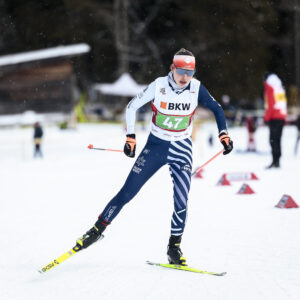
Nordic Skiing Demands For Beijing 2022
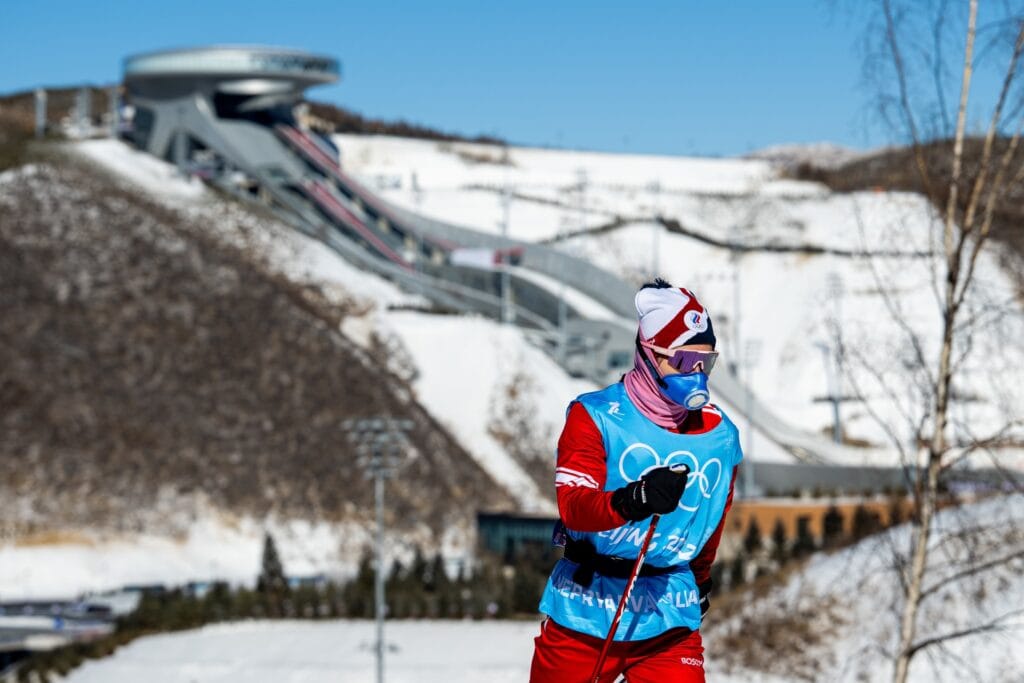
Cross-country skiers in Beijing 2022 will have to face altitude, cold conditions and adjust to several time zones. However, the ongoing Covid-19 pandemic created challenges for the athlete’s preparations. A new paper analyzes the best practices and gives recommendations.
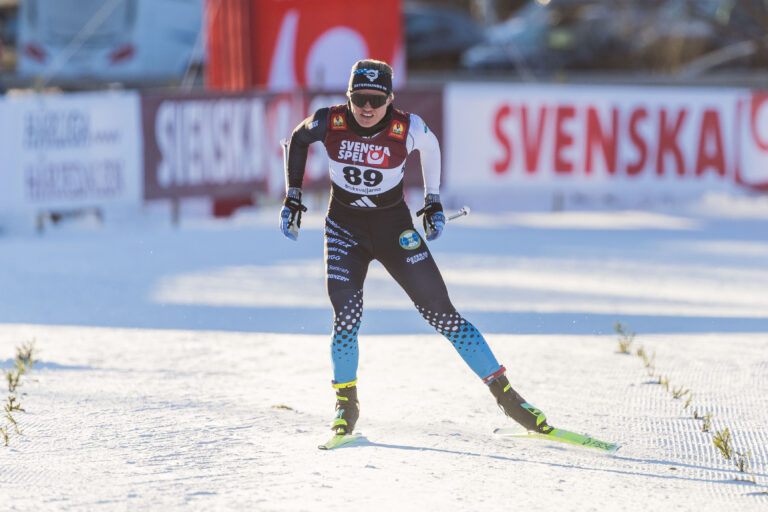
Cross-country skiing is a challenging endurance sport, involving competitions that last from multiple 3 minutes races to 1.5-2 hours events in varying terrains and using the whole body with different techniques. Moreover, environmental conditions have an impact on the athlete’s performance. Altitude, weather, and temperature may affect how the body responds during the competition.
The cross-country skiing competitions at Beijing 2022, which kicks off tomorrow with the women’s 15km skiathlon, will be held at an altitude of around 1700 meters above sea level, with possible dry and cold conditions, and athletes have traveled several time zones to east.
With the Covid-19 pandemic being a limiting factor, are coaches and athletes prepared for succeeding at such conditions?
A paper written by Øyvind Sandbakk, Guro Strøm Solli, Rune Kjøsen Talsnes, and Hans-Christer Holmberg discusses the best recommendations to deal with altitude, environment, jet lag, and the possible impact of Covid-19.
Altitude, cold, and jet lag will be the main challenges
First, to deal with the altitude demands, coaches and athletes ensured that cross-country skiers spent a minimum of 60 days training at or above the competitions’ altitude, around 1700 meters above sea level. This way, they could optimize their strategies for acclimatization and competition.
According to the experts, spending between 10-14 days training at this altitude (1700 meters) seems to optimize the performance for these events. Another effective strategy would be to spend 2-3 weeks training at above 2000 meters above sea level and then 7-10 days tapering at 1700 meters to optimize performance.
Second, athletes should think about optimizing their warm-up procedure and maintaining their bodies warm during the period between warm-up and competition, like optimal clothing strategies.
Third, to get comfortable with the different time zone, athletes should have shifted their eating and sleeping schedules by 30 – 60 minutes each day towards Beijing time, during the 3 or 4 days before departure. Also, athletes should have arrived one day earlier for every hour they needed to shift towards the Beijing time zone.
When arriving in Beijing, training should have been done at lower intensities and increased intensity when the body was adapted.
Despite being the best evidence-based recommendations that these experts could give to cross-country skiers competing at the 2022 Winter Olympics, they admit that many are based on experience and limited scientific evidence. For the experts, there is a need to improve the knowledge about the factors that optimize skiers’ performance.
Olympic Special Deal
Don’t miss any news during the Olympics! Sign up for the monthly membership now and pay only €1 for the first month. Cancel any time.
Click on the button below to retrieve your Olympic Special Deal. This offer is available for a limited time only.
As a member of ProXCskiing.com, you get full access to all content on the site and live streaming of Visma Ski Classics Pro Tour events with English comments.
When you become part of one of the world’s leading XC ski communities, you will receive many exclusive offers all year round.
Register HERE as a Member or free Subscriber.
FACTS: 2022 OLYMPICS
- What: XXIV Olympic Winter Games (24th edition)
- Beijing 2022 – All you need to know
- Where: Beijing, China
- Biathlon, cross-country skiing and Nordic events will take place at the Zhangjiakou arena, situated at and above 1650 meters above sea level.
- When: February 4 to 20, 2022
- What happens when:
- Complete schedule for the 2022 Winter Olympic Games, all sports.
- Who: 53 cross-country teams compete at the 2022 Olympics, each fielding from 1 to 16 athletes.
- All the cross-country ski teams to the Beijing Winter Olympics
- How: Where to watch the Olympics – World Wide
Subscribe to our newsletter
Most read
-
12.11.2026
-
17.11.2026
-
-
14.10.2026
-
22.10.2026


More Articles
-
Sprint star Svahn strongest in the Swedish freestyle opener
Friday's sprint winner Linn Svahn also won Sunday's 10km freestyle race in Bruksvallarna. Moa Ilar finished second, while a tiring Ebba Andersson had to settle for third place.22.11.2026