Spring snow awaits skiers – Make the most of the last skiing conditions
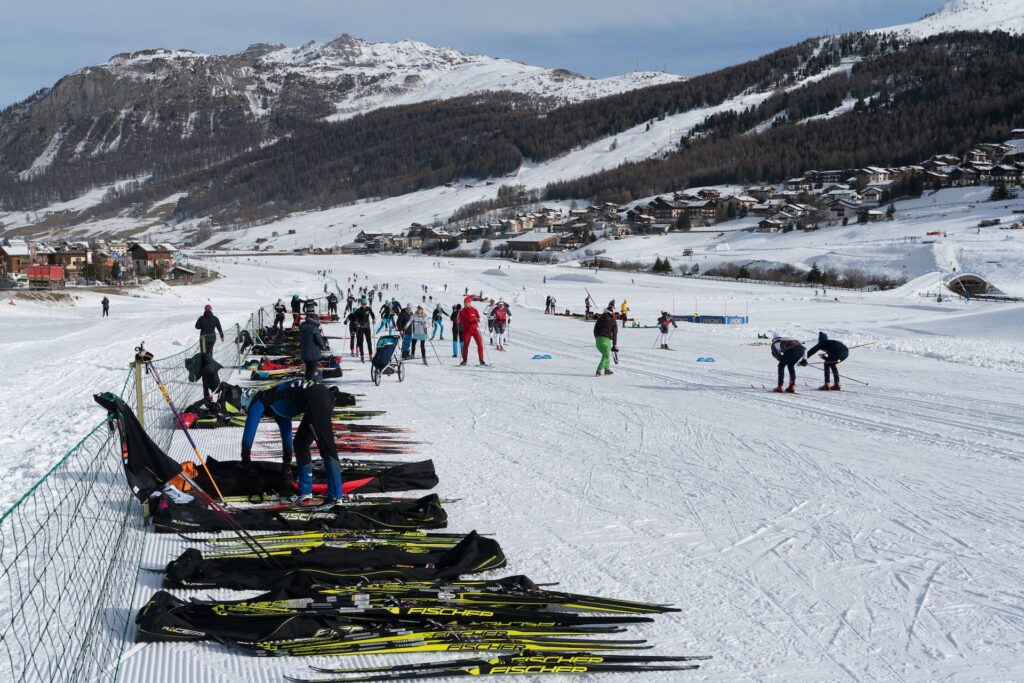
Easter and April are just around the corner, and spring has already arrived in Southern Finland, but the winter season is not over yet.
Therefore, it’s not time to put the skis away just yet; instead, take full advantage of the last skiing conditions.
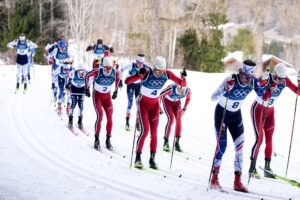
Spring snow beckons skiers at the end of March, and thanks to artificial snow trails, the skiing season can often be extended well into April in the south. In many places, trails are still groomed even on May Day, so it’s not yet time to switch to roller skis. However, this year’s early spring has already drawn many eyes towards dryland training and the upcoming roller skiing season. Despite this, many active fitness enthusiasts or competitive skiers often end their skiing season too early, as April is generally a good time to build a fitness base for the upcoming dryland training season.
Maastohiihto.com asked ski coach Mikko Virtanen how to best utilize these excellent spring conditions for training purposes. Virtanen believes that it’s beneficial to take advantage of the spring weather for training, but it’s essential to first assess one’s own situation.
“It’s definitely worthwhile to utilize these excellent conditions for training, but not to the point where one is completely fed up with skiing for the winter and the last sessions and competitions feel like a chore. It depends on how intense and demanding the competition season has been and whether there’s still a desire to compete and ski. For some, late-season competitions feel like a burden, while others immensely enjoy skiing and competing on spring snow,” Virtanen states and continues.
“It’s somewhat dependent on each skier’s motivation and also on the plans they have made for the next season. When the plans for the next training season are clear and how to start the new training season is understood, it becomes easier to ski and train during this final part of the season. Coaches also need to analyze the athletes and learn to understand what kind of spring and late season suits each athlete best. For some, skiing on the spring snow in Lapland and staying in log cabins while stopping at trail cafés is a great pleasure, while others may already be longing for the warmth of Bangkok at this stage. This is also very individual.”
Also Read: Can a fat diet enhance endurance?
Ski testing, aerobic base, and technique
There are many benefits and advantages to skiing on spring snow.
“Spring snow is also excellent for testing skis. It’s a great opportunity to test water-resistant skis, which are rarely tested during the season.”
“From a training perspective, it’s important to focus on basic training. During the competition season, aerobic endurance can easily decline, and thus the levels of aerobic and anaerobic thresholds drop as well. It’s beneficial to develop basic endurance through skiing before taking a break and starting a new training season, if possible,” Virtanen explains.
However, it’s advisable to have plans for the upcoming season clear well in advance, so that the end of the season can be better planned.
“Much depends on when and how to start the new training season and when tests are scheduled. Many begin the new training season with a strength phase, and it’s good to develop basic endurance on spring snow before starting the new season, as endurance tends to decline further during the strength phase. It’s better to build strength on a solid foundation. If thresholds have dropped, it’s best to first get the aerobic side back in shape. This way, one can start the new season in good condition, which is better than having taken a break the entire time,” Virtanen advises.
And one shouldn’t forget about the technique on spring snow.
“Technique should always be prioritized, and spring snow provides an excellent opportunity for that as well. If one has suffered from a technical flaw during the winter, now is the time to calmly try to correct it on spring snow. But it’s also important to remember the mental aspect; spring snow offers excellent recovery from a demanding season on the mental side as well.”
Great competitions available
Virtanen also highlights one important aspect that should be taken advantage of.
“There are excellent competitions available, especially in the north during spring snow, and they should definitely be utilized. I recommend juniors to participate in competitions all the way to Inari. Some World Cup skiers may feel completely drained after a demanding season, and for them, the warmth of the south might be a better option, but especially juniors should take advantage of these excellent competitions available. There are many good competitions if one approaches them with the right attitude. I give very different advice to different athletes, Virtanen emphasizes the importance of individuality in this matter.”
“This is also very much a mental matter, and it’s important to sense one’s own feelings about what suits oneself best. For many, skiing on the spring snow in Lapland is a great pleasure, and it’s always beneficial to train in a sport-specific manner.”
Fitness enthusiasts enjoying time off and collecting kilometers
And spring snow is also enjoyable for recreational skiers.
“For recreational skiers, it’s also a vacation if they head to ski on the snow in Lapland. And they will certainly benefit from accumulating as many kilometers as possible on spring snow.
When the skiing season finally comes to an end, it’s important to remember to gradually adapt to the new training season and training on dry land.
“Adaptation is important. For example, it’s advisable to gradually incorporate strength training into the program in the spring, rather than starting with an intense weight regimen right away. The same goes for running and other dryland training. Thus, on spring snow, one can also start to adapt to running by doing running sessions on dry roads and bike paths alongside skiing training,” Mikko Virtanen concludes with tips for the transition period.
When skiing on spring snow, it’s advisable to aim for morning outings, as the conditions are fast due to possible overnight frosts, making it easy to maintain good and economical technique. Temperatures rise during the day, and the snow becomes slow and slushy. At this point, a long session can become quite taxing, and technique can easily suffer. Another option is to ski later in the evening when the conditions cool down again. Skiing in fast conditions is also more refreshing for one’s mood than pushing through in slow, wet conditions.
Modern skiing, especially long-distance skiing, is dominated by double poling, so it’s advisable to transition to roller skis fairly soon after the skiing season ends. In previous years, many skiers tended to start roller skiing later in the summer, but for example, Ski Classics skiers transition to the roads quite quickly after skiing on snow. Double poling on roller skis is technically quite similar to skiing on snow, and roller skiing serves as a sport-specific training method for maintaining and increasing upper and core body strength, so it’s not advisable to leave too long a gap between skiing on snow and the roller ski season.
This article was previously published on Maastohiihto.com and updated today.
Are you interested in training for long-distance, traditional cross-country skiing and biathlon? Click HERE and read more about it.
Subscribe to our newsletter
Most read
-
-
14.09.2026
-
06.03.2026
-
16.09.2026
-
02.09.2026



More Articles
-
Travel Guide – Bardufoss-Finnsnes: Arctic mountains meet Norway’s fjord coast
Ski Classics World Championship Season XVIII closes out with a northern double: Reistadløpet in Setermoen-Bardufoss and the Grand Finale Summit 2 Senja, finishing in Finnsnes, gateway to the island of Senja. Together, the weekend showcases the raw Arctic beauty, steep mountain terrain, and coastal landscapes that define Norway's far north.05.10.2026