Core strength: the game-changer for skiers
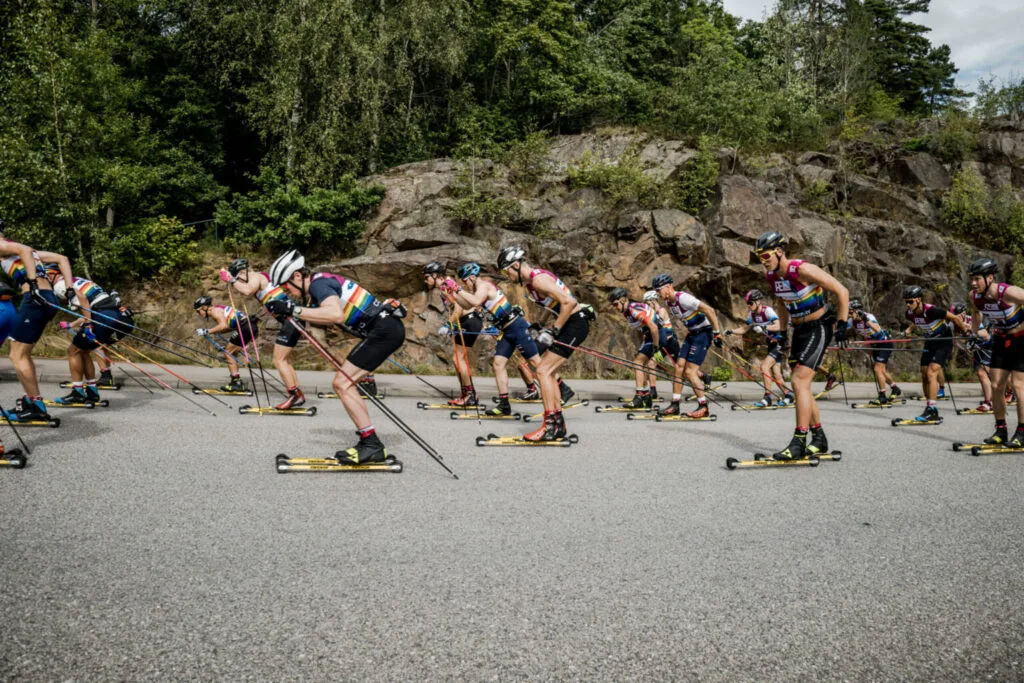
As winter approaches, traditional cross-country skiers, long-distance athletes, and biathletes should pay close attention to one often-overlooked element: the core. A strong core not only supports better skiing techniques but also helps maintain form when fatigue begins to set in.
Building core strength now can be the secret ingredient to skiing success this season. What are the best core exercises for skiers, and how can you effectively integrate them into your pre-season routine?
Read More: Where to go for a quality autumn training camp?
Planks
Planks are a classic exercise that strengthen not only the abs but also the back and hips. To perform one, start in a push-up position with arms straight, then lower your forearms to the ground, keeping elbows directly beneath your shoulders. Your body should form a straight line from head to heels. Hold for at least 30 seconds and gradually increase the time as you get stronger.
Russian twists
This exercise targets the oblique muscles, which play a key role in twisting and turning movements. Sit on the ground with your knees bent, lean back slightly, and lift your feet off the floor. Hold a medicine ball or weight plate with both hands and twist your torso from side to side, touching the weight to the floor beside each hip. Repeat for several reps.
Leg lifts
Leg lifts are excellent for targeting the lower abs, crucial for skiing stability. Lie on your back with legs extended upward, then slowly lower them toward the ground without touching down, before lifting again. Repeat for several reps.
Also Read: What does it take to succeed in long-distance skiing
Bicycle crunches
Bicycle crunches work the entire core, including the obliques. Lie on your back with your hands behind your head, lift your shoulders, and bring your right elbow toward your left knee while extending your right leg. Switch sides in a pedaling motion.
Resistance band exercises
Resistance bands add variety and functional strength to your core workouts. Try woodchoppers, pulling the band diagonally across your body, or standing rotations, twisting your torso back and forth under resistance.
Read More – Threshold training explained: The science behind ski endurance
Training tips and progression
Proper form is crucial for safe and effective core work. When planking, keep a straight line from head to heels without letting hips sag or rise. For Russian twists, avoid twisting too far, and when using bands, select the appropriate resistance to maintain control.
Start slowly and increase intensity and duration over time. Once you’ve mastered the basics, progress by adding instability (exercise ball planks), dynamic movements (plank reaches), or extra load (weighted twists) to keep challenging your core.
Consistency and dedication will help build a stable and powerful core that transfers directly to skiing performance.
Core training as part of the bigger picture
Core work is just one piece of the puzzle. Traditional cross-country, long-distance skiing, and biathlon demand a combination of endurance, strength, and technique. Add cardio sessions like running, biking, and roller skiing, plus strength training with squats, lunges, and deadlifts to build overall power.
And don’t forget technique. Practice good posture and weight transfer, improve your balance and agility, and if you’re new to skiing, consider lessons from a qualified coach.
With a well-rounded plan that includes core strength, endurance, power, and technique, you’ll be ready to meet the challenges of the upcoming season.
Interested in gaining more training insights for long-distance skiing, traditional cross-country skiing, and biathlon? Explore our training section on ProXCskiing.
Note
This article is intended for general information and inspiration only. For personalized guidance, especially if you are new to training or returning from injury, we recommend consulting a qualified coach, physiotherapist, or trainer before starting a new exercise program.
Subscribe to our newsletter
Most read
-
28.08.2026
-
-
06.08.2026
-
06.03.2026
-
05.08.2026



More Articles
-
Highlights from Värnamorullen 2026
The Ski Classics Challengers event, Värnamorullen, took place last weekend with a 40km long-distance roller ski race in classic technique in Sweden. Watch the video highlights here!09.09.2026