Coach warns: “Many skiers waste their time on early snow”
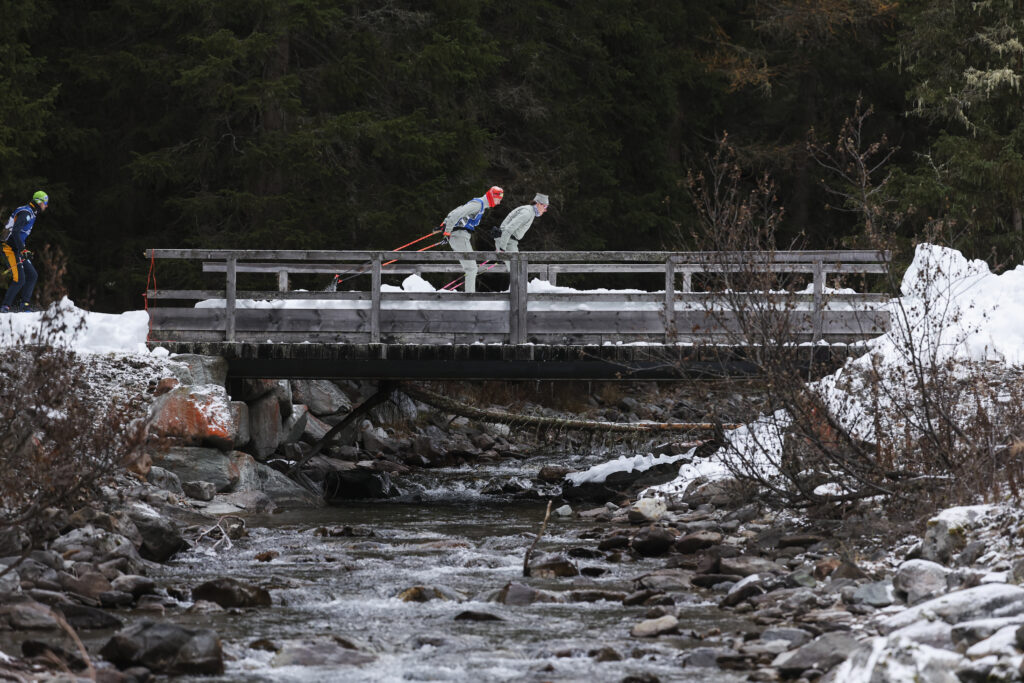
The early-season snow tracks are open, and natural snow is on its way. But every year, many skiers make the same mistakes when they switch from dryland training to skis.
Every autumn, crowds of skiers head to the tracks as soon as they open. Many of them come back tired and with minor injuries, without getting the most out of the hours they have put in.
“There is a big difference between skiing lap after lap on short loops at a ski stadium and training in full winter conditions,” Vetle Leander Johansen tells Langrenn.com.
The well-known Norwegian coach works with several Norwegian and international stars, as well as young talents and keen recreational skiers. He sees that many of the mistakes made in the transition from dryland to snow are the same, regardless of ambition level.
Also Read – Season opener in Muonio: watch the whole weekend live on SC Play
Three typical mistakes
Johansen points out the most typical mistakes during the early-snow period, and how best to avoid them.
- Too little focus on technique and specific training: “If you just shuffle along at an easy pace, you might as well put on your running shoes.”
- Not adjusting the training load: “Remember that two focused hours on snow can cost more than two hours on roller skis with a technique you are used to.”
- Unnecessary stress about getting on snow early: “If you are not racing the senior season opener, you probably have plenty of time before this year’s goals. If you are training for the junior Norgescup, Hovedlandsrennet or citizen races, I would rather prioritize getting fitter than spending time and energy looking for snow very early.”
The story continues below.

What is the most important thing to think about when getting used to snow?
Johansen warns against putting away the roller skis and running shoes even though the snow has started to settle. Dryland training still plays an important role in the transition from fall to winter.
“It is important to maintain your physical capacity while you get started with skiing,” says Johansen.
He points out that dryland training and sessions on snow complement each other, especially at the start of the season.
“Short loops on early snow can be excellent for training technique and balance, but they do not necessarily replace the possibilities you get when training on roller skis or in full winter conditions,” he says.
Johansen therefore recommends using the time on snow for specific training, and continuing the volume training on dryland.
“Many skiers waste their time on early snow. Make sure that what you do on skis is focused, especially as long as only short artificial-snow loops are available,” he says, adding:
“If you just shuffle along at an easy pace, you might as well put on your running shoes.”
Read More – Warning: Early snow conditions too challenging for most
Use the terrain
Johansen recommends making the most of the conditions where you are, so that you get the maximum return on the hours you put in.
“Ski in varied terrain, switch between different techniques and focus on skiing well technically,” says Johansen.
Finding flatter terrain can be difficult during the early-snow period, as most early-snow trails are laid out on steep race courses.
Also Read – Cross-country skiing in the Alps as early as October: where to ski and what it costs
A high heart rate is not dangerous
However, Johansen dismisses the myth that you have to do a lot of easy skiing at the start of the season.
“High intensity is not dangerous, and it is not something you have to wait long to start with,” he says.
But the coach stresses that higher intensity means a higher load.
“It is also important to be aware that the local muscular load can be different from what you are used to. You can be in very good shape and still get unusually tired in certain muscle groups when you get on skis,” he says, and continues.
Johansen also warns against comparing yourself with others around you.
“Focus on technique at the start and set relevant process goals for what you yourself need to work on, rather than matching others and going beyond your ability,” he says.
The story continues below.
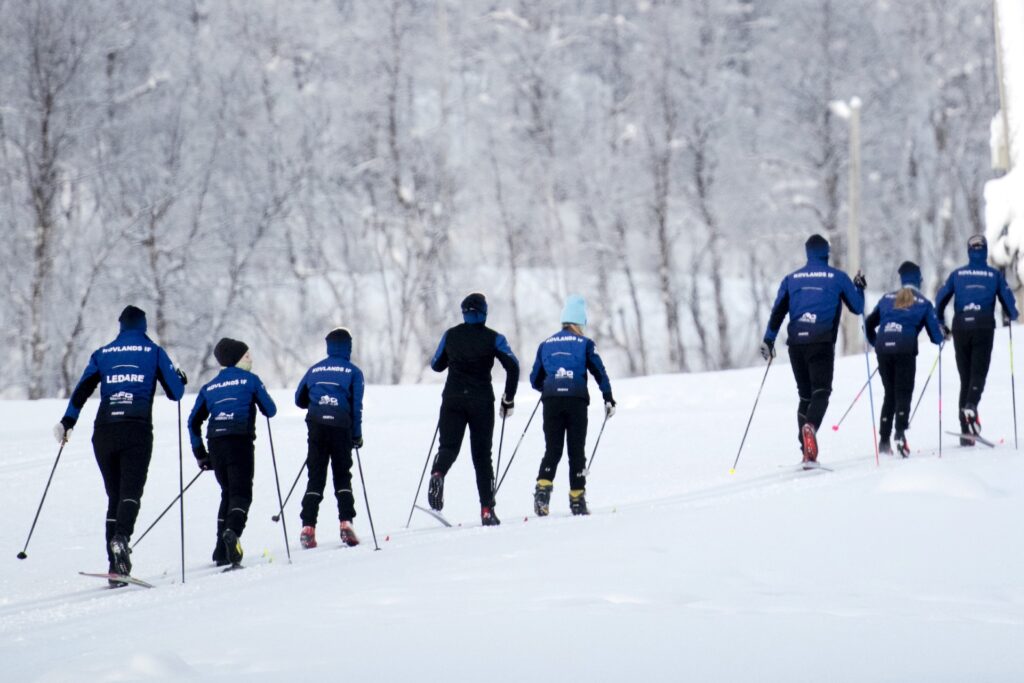
Should you ski as much as possible on the days you have snow, or use the time purposefully with fewer hours?
“If you live somewhere with little snow and go to a camp or on a weekend trip to a place with snow, I would definitely use the opportunity to ski as much as possible while you are there. Running, cycling, and other training are things you can prioritize at home.”
At the same time, Johansen stresses that the number of hours in the training log is not what matters most.
“I would prioritize the quality of the training over maximizing the number of hours. It is better to do a shorter session at slightly higher intensity with good technique than to ‘shuffle along’ for hours with limited technical effect.”
How important is it to get on snow as soon as it falls or the early-snow venues open?
“Not very,” the successful coach tells Langrenn.com, with one reservation.
“If you are not racing the senior season opener, you probably have plenty of time before this year’s goals. If you are training for the junior Norgescup, Hovedlandsrennet or citizen races, I would rather prioritize getting fitter where you are than spending time and energy looking for snow very early.”
Interested in training and training trends? Here we have gathered articles on training, training methods, research and development.
Subscribe to our newsletter
Most read
-
14.10.2026
-
-
28.10.2026
-
22.10.2026
-
29.10.2026




More Articles
-
French Olympic talent: Cloé Pagnier keeps rising
In recent years, the French women's cross-country skiing team has been growing and becoming increasingly balanced. We're seeing the emergence of young talents, such as Cloé Pagnier, who competed in her first Olympic Games last winter.10.11.2026