Basic elements of cross-country ski training
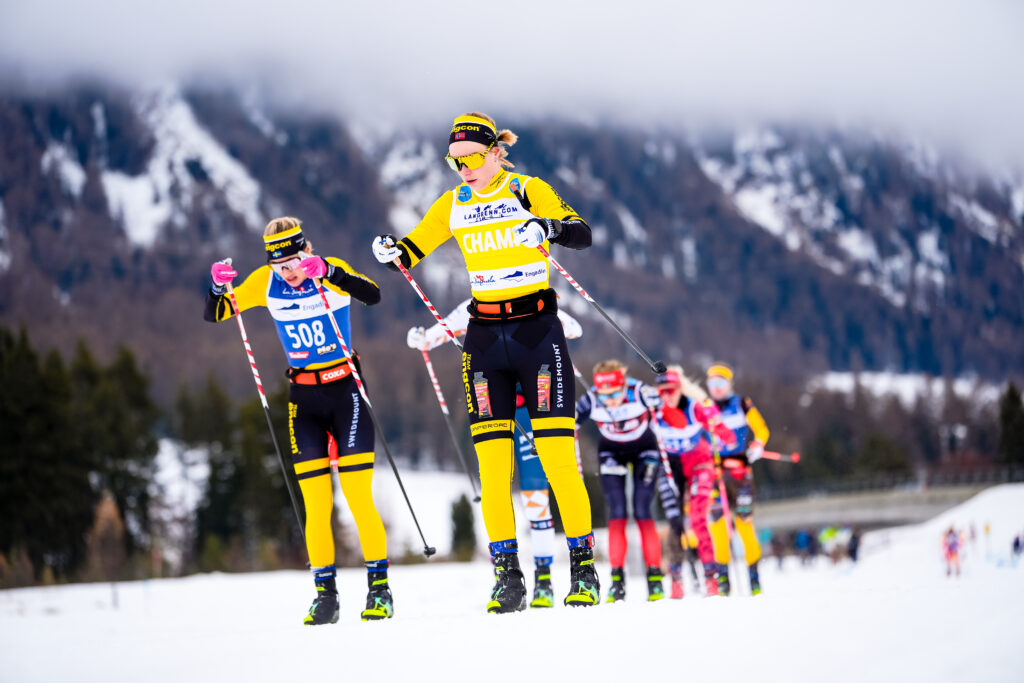
For readers of Proxcskiing.com, cross-country skiing, and particularly long-distance skiing, holds a special place in the heart.
We crave more knowledge about training, nutrition, athletes, events, equipment, and all things related to skiing. Many of us already know how to train, what to eat, and which equipment works best.
As ski training evolves, we’re often eager to try new things. Naturally, maximizing ski training is a priority, and adjustments are made when needed. However, the basic principles of endurance sports and skiing remain unchanged.
In long-distance skiing, mastering double poling is essential. To excel in mass skiing events, it’s vital to prioritize double poling in training. Top athletes in the Ski Classics series focus on double poling during both summer and winter.
This article explores the basic elements of ski training. While these may be familiar concepts, understanding the terminology is helpful. English terms are also included to make it easier to follow international podcasts and articles.
Key training elements
The fundamental components of endurance sports, including skiing, are:
- Long Aerobic Sessions (long slow training)
- Pace/Tempo Training
- Interval Training
- Fartlek (Swedish term also used in English)
- Long Fast Training
- Strength Training
Long Aerobic Sessions:
These are the foundation of training for recreational and competitive skiers. The aim is to exercise for several hours at or below the aerobic threshold. For elite long-distance skiers, sessions can last over five hours. Recreational skiers may do 2-4 hours of training, including roller skiing, Nordic walking, running, cycling, or even swimming and paddling during summer.
Adding short sprints to break monotony can develop speed and prevent a training plateau (the point of diminishing returns). Overly monotonous training can stall progress, so introducing tempo and interval sessions is crucial.
Pace/Tempo Training:
This type of training focuses on maintaining a pace where lactate production and clearance are balanced. For competitive skiing, especially long-distance events, race pace often exceeds this threshold, leading to fatigue over time. Tempo sessions, on the other hand, allow athletes to sustain effort for longer periods, enhancing their endurance.
Interval Training:
This involves alternating between high-intensity efforts and recovery periods. Intervals are performed at or above the anaerobic threshold, pushing the body to adapt and improve both VO2 max and lactate clearance. Depending on the goal, intervals can be short sprints or longer efforts.
For example, experienced skier Morten Eide Pedersen prefers one-minute recovery periods between intervals for race-like intensity.
Fartlek Training:
This unstructured training alternates between slow and fast segments, making it an excellent way to develop mental resilience. Suitable for recreational skiers, fartlek combines elements of tempo and interval training while being less rigid.
Long Fast Training:
Simulating race conditions, these sessions involve long-duration skiing at high intensity. This is a staple for long-distance skiers, often exceeding five hours and incorporating intervals and tempo work. Recovery is crucial after such demanding sessions.
Strength Training:
Strength training is vital for improving power, particularly in double poling. Core strength is critical to maintain proper technique under fatigue. Strength training can include gym workouts, bodyweight exercises, or sport-specific drills like uphill double poling.
Types of strength training:
- Isometric: Muscle contracts without movement (e.g., planks).
- Isotonic: Muscle works against a moving resistance (e.g., weightlifting).
Modern ski training often incorporates block training, focusing on strength for a specific period.
Practical Tips for Balanced Training
Combining these elements into a weekly or monthly training plan ensures peak performance during the competitive season. General guidelines suggest:
- 70-90% endurance training
- 10-20% high-intensity (intervals and speed work)
- 5-10% strength training
Training volumes and intensity vary with age and experience. Veteran skiers with a solid aerobic base often train less but more efficiently. For example, Anders Aukland, who competed at the highest level into his 50s, maintained effective training by incorporating all these elements.
By mastering these principles, skiers of all levels can optimize their training and achieve their goals.
For more training tips and tricks, visit our training session HERE
Subscribe to our newsletter
Most read
-
-
14.09.2026
-
06.03.2026
-
16.09.2026
-
02.09.2026



More Articles
-
How Ski Classics star aims to become a winner
She secured multiple podium finishes in Ski Classics last season. With the best teammates by her side, her first victory is expected this winter.09.10.2026