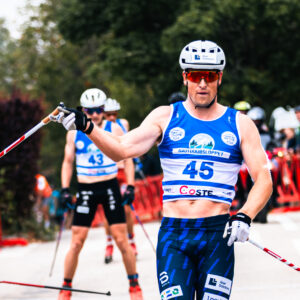
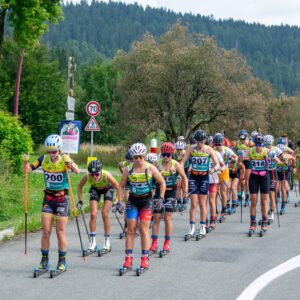
Autumn season begins – Training for skiers before the snow arrives
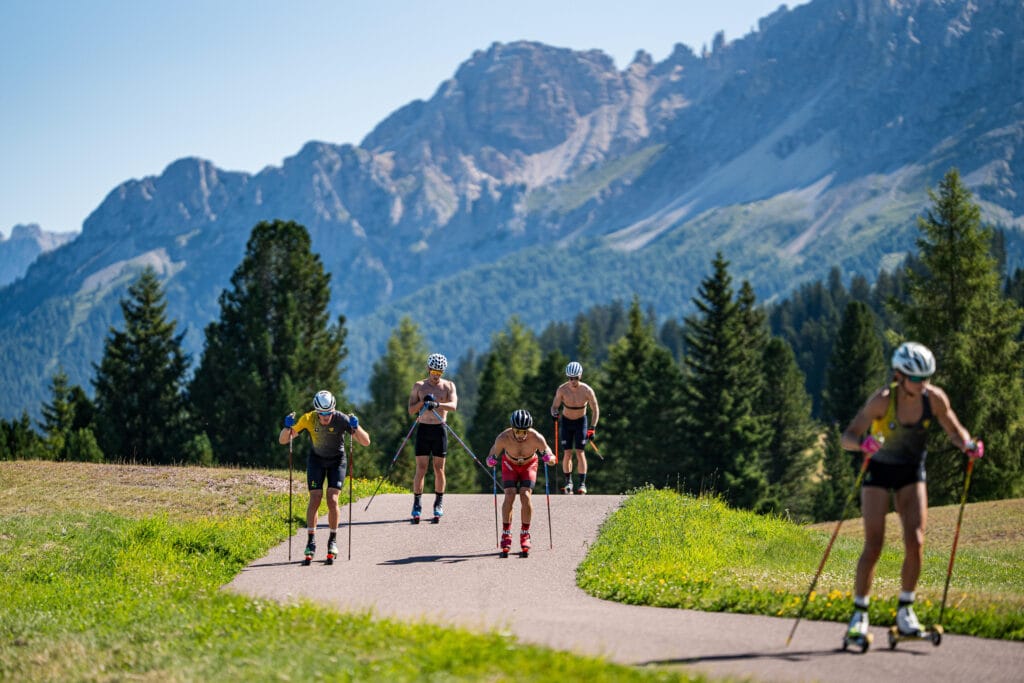
Summer is almost over in the Northern Hemisphere, and skiers’ base endurance training has been underway for a long time. As autumn begins, the focus of training shifts increasingly toward preparing for the coming competition season.
In practice, this means incorporating more intensive workouts that prepare the skier both physically and mentally for the challenges of racing. This article provides a general overview of autumn training for skiers.
For many skiers, autumn is the most critical training period of the year. Even if the first snow is still some time away, it is right now that the foundation is being laid for the entire winter season—both for racing and for enjoyable ski outings. Autumn training requires variety and planning to ensure progress continues in the right direction and fitness peaks when the main competitions arrive.
Also Read: Where to go for a quality autumn training camp?
For competitive skiers, autumn is the final stage before the season truly begins. Training becomes more sport-specific, and alongside endurance volume, quality intensity sessions are emphasized. For recreational skiers, autumn presents an ideal opportunity to build base endurance and acclimate to the demands of winter skiing. What both groups share is that autumn training determines how ready the body and mind are for those first ski kilometers.
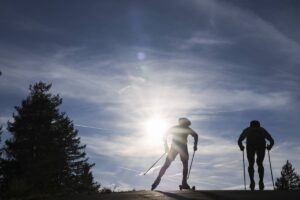
Long base-endurance sessions still form the backbone of training, but in autumn, they need to be complemented with regular, more challenging workouts. Simply logging “marathon long sessions” is not enough—threshold and maximum intensity must also be maintained on a weekly basis. Hill bounding with poles, roller skiing, and ski-specific strength sessions in the gym keep both muscles and technique sharp. At the same time, it’s important to remember the role of neuromuscular strength and core stability—they not only add power to skiing but also help prevent injuries.
Read More: Injury-free roller skiing – Top tips from Petter Eliassen
Pole bounding intervals, for example, are an excellent form of autumn training. They combine VO₂ max development, upper-body power, and progressive interval training. A solid workout consists of 5–8 repetitions of 4–6 minutes each, followed by walking down for recovery. On roller skis, maximum-intensity intervals can be done, such as six 3-minute efforts at a hard pace with 3 minutes recovery. Additionally, combining workouts that alternate between threshold and maximum intensity helps the body adapt to race-like situations. According to Maastohiihto.com, speed training should not be forgotten either—you can read more about it via the link below.
Read More: Speed Training – Get faster on skis
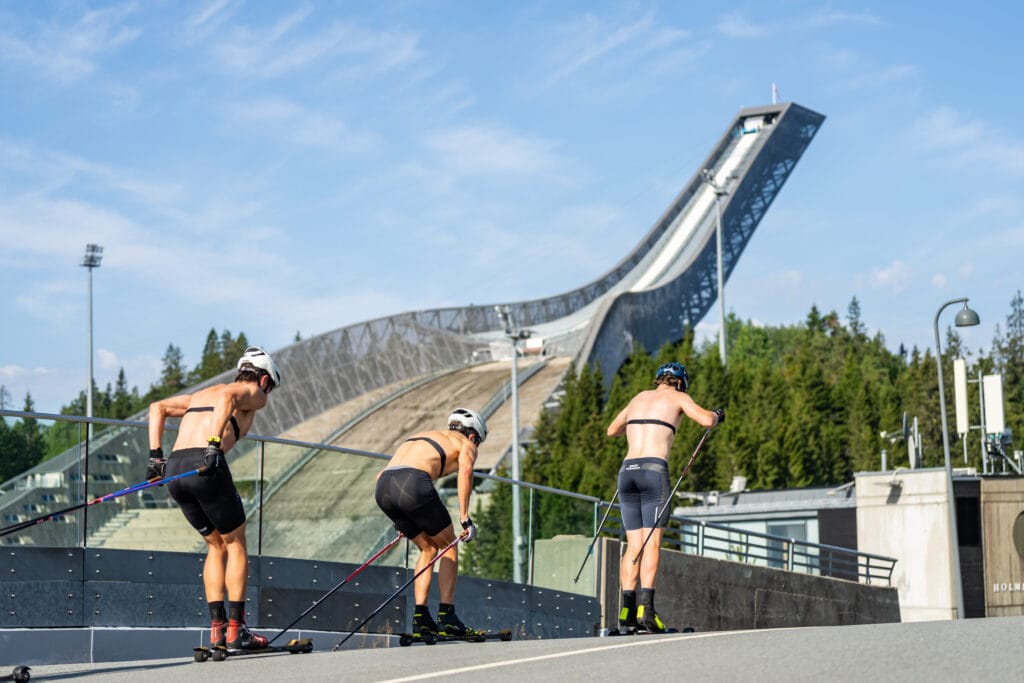
For recreational skiers, paying attention to the weekly rhythm is particularly important. Too many fall into the same trap: all sessions are done too hard, or roller skiing is done at roughly the same pace every day. This way, training doesn’t properly develop base endurance, nor does it build actual threshold capacity. When the program includes a clear split between easy, long sessions and a few quality intensity workouts, progress is steady, and training becomes more enjoyable.
For competitive skiers, the biggest challenge is managing training load. If volume piles up without enough quality, sharpness is lost, and fitness plateaus. On the other hand, doing too many intensity sessions without proper recovery—or mixing high volume and intensity too heavily—increases stress dramatically, which may lead to overtraining. Careful scheduling of intensity and close monitoring of recovery determine whether fitness peaks right as the first races begin.
The most significant risks of autumn training include excessive training at high intensity, neglecting sport-specific workouts, and skipping strength training.
Many get carried away with piling up long training weeks, but without recovery, the body fatigues and progress stalls. Others avoid roller skiing and hill bounding, leaving technique and ski-specific strength behind. Add to this a busy daily life and poorer sleep during the darker season, and the risk of overload becomes very real.
The key to autumn training is balance. A varied program that combines long, easy sessions with quality intensity, strength training, and rest best prepares the skier for the upcoming season. Maintaining core stability and mobility further enhances resilience and reduces injury risk.
When rhythm is found and recovery prioritized, autumn can turn into a skier’s best training time. After a well-planned fall, those first snow sessions feel light, and the ski season begins with energy—whether the goal is racing success or simply enjoyable ski tours.
Are you interested in training for long-distance, traditional cross-country skiing and biathlon? Click HERE and read more about it.
Subscribe to our newsletter
Most read
-
16.05.2025
-
02.06.2026
-
05.07.2026
-
24.06.2026
-
04.06.2026



More Articles
-
Hedegart: “It will be greater than Olympic golds”
Just three months after returning to biathlon, Einar Hedegart has set a goal he believes will surpass the two Olympic golds he won last winter.27.07.2026