From crisis to comeback at Madshus
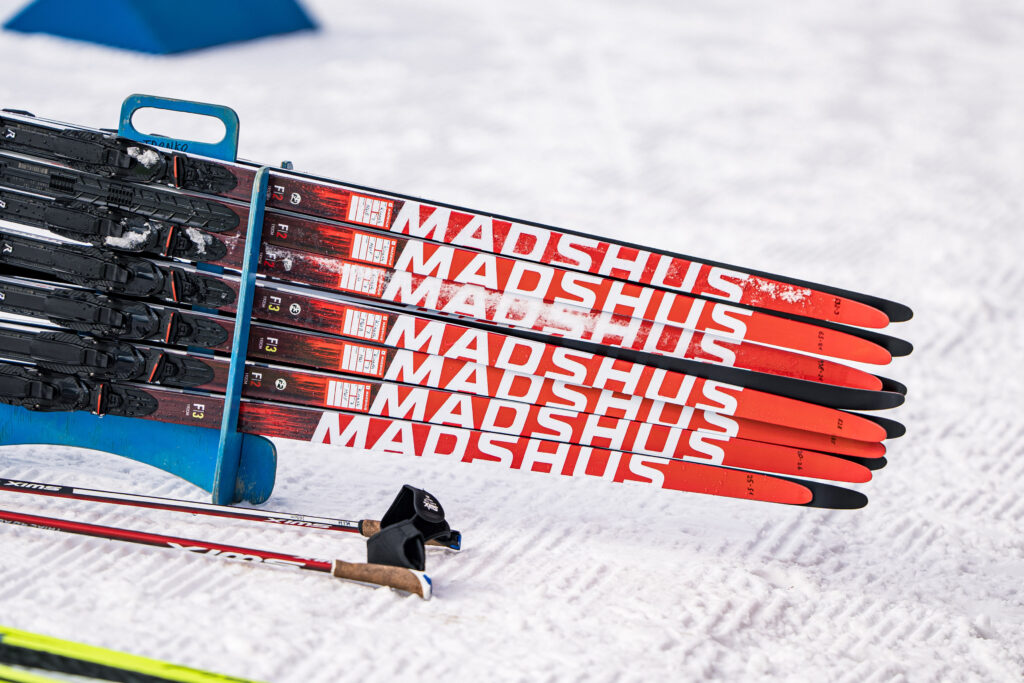
Four months after production halted and employees were indefinitely laid off, full activity has resumed at Madshus.
In early February, Madshus had to pause all production and lay off nearly half of the employees at the factory in Biri indefinitely.
It is only now, over four months later, that the Norwegian ski manufacturer can resume operations. But on Monday, all machines were running again.
“It was very nice to be able to call the employees back to work. There was a good atmosphere on the other end,” says Tormod Grindstad from Madshus to Langrenn.com.
“Four months is a long time to be laid off, but it says something about our employees and that we have believed production would start up again.”
Also Read: Madshus halts production, lays off employees for an indefinite period
A heart for Madshus
Grindstad also experiences a sense of pride among the employees.
“You probably feel a bit more passionate about your workplace when you work with such a brand. They have a big heart for Madshus,” he says, continuing:
“The development we have had with our products, especially in the last year and a half, and the response we have received in the market shows that we are delivering what athletes want. And we feel that our employees have been waiting and longing to come back and continue that work.’
A busy road ahead
It will be busy moving forward for Madshus. The factory in Biri produces all racing skis and other top models of skis.
“We are confident that we will be able to deliver everything we have promised. We have good and efficient production, and can also scale up if needed,” says Grindstad.
The World’s oldest
Madshus was established in 1906 and is the world’s oldest ski factory still in operation. Here are some milestones from the company’s history over the last 50 years.
- In 1974, fiberglass skis became mainstream, and Madshus had to convert a brand new wooden ski factory to fiberglass production.
- In the 1980s, Madshus introduced the DoubleBox construction for fiberglass skis. This principle is still used in ski construction for today’s top skis.
- In the 1980s, the first black bases were also introduced. Madshus was the first to use carbon in the base, which provides extremely good glide.
- In 1988, Madshus was acquired by the American company K2, gaining a shared sales and marketing apparatus, as well as access to significant resources for product development and innovation.
- In the 1990s, the CAP construction replaced the sandwich construction. All major ski manufacturers now use some form of CAP construction, but Madshus was the first to implement this in cross-country skis. Salomon was an early adopter of CAP construction for alpine skis.
- In the 1990s, 3D construction was also introduced, enhancing the skis’ properties. With 3D construction, the geometry of the ski can be used to achieve desired characteristics. “Several other manufacturers use 3D construction, but none to the extent that Madshus does,” says Austrem.
- In the 2000s, the NIS system was introduced with screwless bindings that can be adjusted according to snow conditions and the runner’s unique technique. Madshus owns the patent for NIS but has collaborated with both Rottefella and Rossignol on its development.
- In 2012, the Redline skis were launched, revolutionizing the industry. These skis are extremely lightweight and lively, with exceptional glide and reliable grip. This allowed Madshus to capture a new share of the market.
Are you interested in equipment for roller skiing, long-distance, traditional cross-country skiing, and biathlon? Click HERE and read more about it.
As a member of ProXCskiing.com, you get full access to all content on the site and live streaming of Ski Classics Pro Tour events with English commentary.
When you become part of one of the world’s leading XC ski communities, you will receive many exclusive offers all year round.

Subscribe to our newsletter
Most read
-
03.08.2026
-
26.07.2026
-
28.01.2026
-
27.02.2026
-
25.08.2026



More Articles
-
Tour of Slovakia stage 1: Breakaway or bunch sprint?
Will the sprinters follow the best climbers to the finish on stage 1 of the Tour of Slovakia?16.09.2026