Anastasiya Kuzmina – Return at 40

One of the most successful biathletes in history and a Slovakian sports legend, Anastasiya Kuzmina earned a total of five Olympic medals throughout her long career, including three golds—each from a different Olympic Games. She also managed to have two children along the way. Last year, nearing her 40s, she decided to make a comeback after nearly five years.
After hanging up her skis and rifle, she worked as a sparring partner and consultant for the Kuzmina Team, where her husband, Daniel, coached young biathletes. It was Daniel who guided “Nastya” (her nickname) to her greatest successes.
However, she missed the adrenaline of competition and wanted to resist the physical changes she felt with age. Kuzmina also wanted to keep fit enough to keep up with her 17-year-old son, a cross-country skier, and help the Slovak relay team achieve good results. Another motivation was to regain a place for Slovak biathletes in the next Olympic season, a spot they lost last season. There were many reasons for her return.
Last season, however, did not go as she hoped. She started preparing in August and entered her first race at the beginning of February at the European Championships in Osrblie. She also participated in the World Cup in Nové Město na Moravě. But just as she was finding her racing rhythm, building fitness, and stabilizing her shooting technique, the season ended.
She hasn’t given up and is pushing forward, this time with much higher ambitions.

You’ve earned the most prestigious medals. Can you now race with a clear mind?
“No, I still put pressure on myself. It’s 100% or nothing for me. Last season didn’t meet my expectations. I didn’t want to jump fully back in, so I only did a few races. I thought I could handle relays and try sprints. I wasn’t prepared for longer races last year. I didn’t know what I could endure. Race pace was intimidating for me. In sprints or relays, I was confident, but when it came to pursuits, I couldn’t make it through the last lap,” says Anastasiya Kuzmina to Bezky.net.
“Last season was a test; I gave myself a chance, but I admit I hoped for more, especially on the shooting range. I thought I could save it with my shooting. I knew I wouldn’t be able to regain skiing form quickly, but I wanted to approach the shooting with ease.”
It must have been extremely difficult and painful to return after such a long time?
“When I made the decision, we added intense training sessions to our plan, allowing me to honestly say whether I could handle it or not. Last year, I started in August, which was quite late for the race season. I was accepted back as a top athlete at the Dukla Banská Bystrica military sports center.”
When you were back on the starting line after so long, experiencing pre-race stress again, did you regret coming back?
“The stress was intense, but I accepted it with gratitude and humility. “You wanted this? Here it is.” I kept reminding myself that this didn’t have to be long-term. I could quit anytime. It was more of a trial, but this year I feel different. It’s real. I’ve brushed up on my experience and shooting habits, which held me back last year.”
Do you think what you missed most was practice?
“After last season, we realized what was missing. I needed races. I could only do a few at the end of the season because of doping regulations, which required me to wait six months before competing again. Starting from scratch with high pressure was tough. My first few races went poorly. At the shooting range, I was shocked at what to do, as if I hadn’t practiced shooting at all. I couldn’t transfer my training experience into the race. Once I pulled myself together, it clicked, “Oh, this is how it’s done.”
“I wasn’t ready for long races last year. I didn’t know my endurance limits. Race pace was daunting. I was confident in sprints or relays, but in pursuits, I struggled to finish the last lap.”

Did you participate in any summer races?
“I competed in exhibition races in Norway, though I wasn’t well-prepared. One drawback is that I train alone. I need at least five or six people at the shooting range, which we rarely managed. We organized a joint training camp in Osrblie, with four groups from Dukla Banská Bystrica, which was fantastic. It was brief, only two weeks, and everyone had their own plan. In Norway, I saw others—Norwegians, French, Germans—training together extensively, especially on the shooting range. It builds confidence, making athletes aggressive, courageous, fast, and accurate on the shooting range. That’s power. They don’t perceive any discomfort during the race. I lack that mental adjustment, which I must gain through racing.”
You’ve often trained alone, yet you were able to reach peak form?
“After my son was born, I initially trained with other girls, and in my best seasons, there were only three of us left. In winter 2018/2019, I worked with the men’s team that my husband coached and trained with them entirely.”
Do you have a chance to train with Paulina Fialková, who’s also coming back from a maternity break?
“She joined the men’s team. We have three teams in Slovakia, which I think is unfortunate. We initially planned to train together in various locations, but then the coaches changed it, or chose different destinations. I met with the Remen sisters at two training camps. We’re still adjusting to each other. We need at least one full training session together to see tangible benefits.”

Photo: Manzoni/Nordic Focus
How has biathlon changed in the last 20 years since you competed in major events?
“I see better, more developed movement among the women. For instance, Tora Berger moved clumsily back then, and other athletes with poor technique could still win. Now, women have solid mechanics. There’s also faster shooting. The women are braver—Vitozzi, for example, demonstrates impressive shooting speed, comparable to men’s.”
Few athletes, especially women, have won three golds at different Olympics. Only a handful, like Bjoerndalen or Fourcade, may have managed that. How do you feel about it?
“Bjoerndalen was a big inspiration for me. Everything worked seamlessly around him. For us, each Olympics was a unique ride, never guaranteed to repeat. In PyeongChang 2018, everyone expected me to win gold in the opening sprint, but it happened only in the final mass start. Along with two silvers in the pursuit and individual events, which felt like gold to me. It’s about emotion and timing. I was rarely stable enough to perform all winter, except for one mentioned season, but I could prepare for peaks.”
But Olympic gold medals are more prestigious than a season title?!
“Yes, but a globe proves a competitor’s season-long potential and resilience. You fight for every point. Biathlon is fascinating because even with peak form, you can miss on the shooting range and lose it all.”

Are you interested in biathlon? Click HERE and read more about it.
Subscribe to our newsletter
Most read
-
07.10.2026
-
27.09.2026
-
06.10.2026
-
30.09.2025
-
13.01.2026

More Articles
-
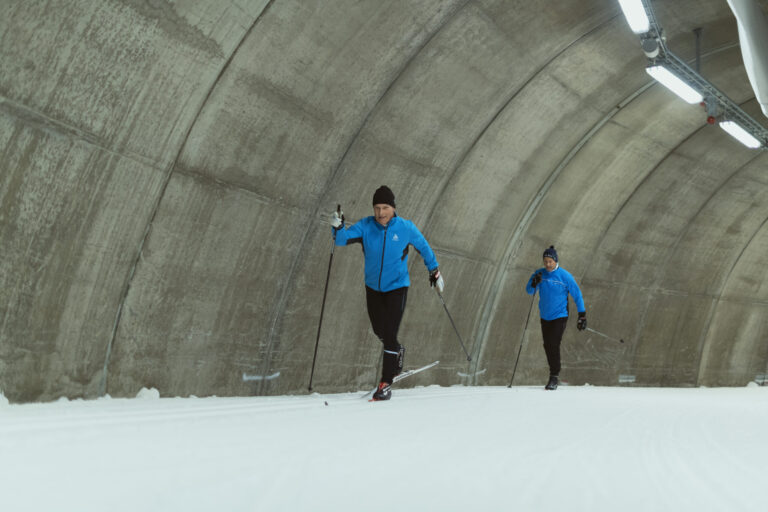
Member offer: 15% off trail passes at Torsby Ski Tunnel
While many are still waiting for the snow to fall, you can already click into your skis. At Torsby Ski Tunnel in Sweden it's winter all year round, and right now ProXCskiing members get 15% off trail passes.21.10.2026