From Olympic silver to a torn meniscus: “What a fantastic life I get to live!”
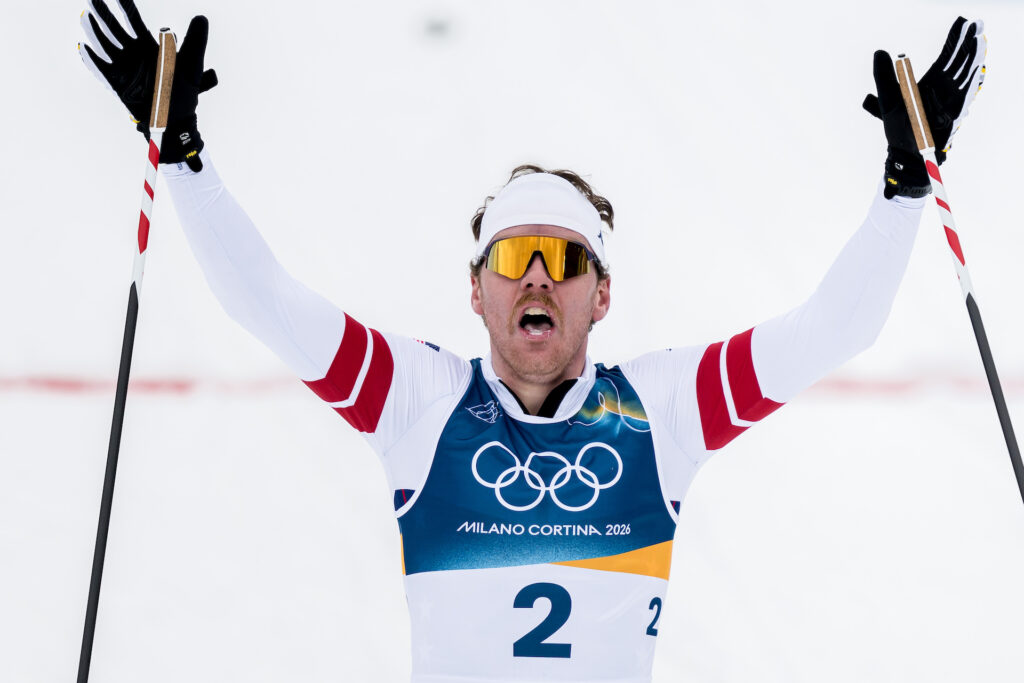
Ben Ogden returned from the Olympics with two historic silver medals and confirmation that he truly belongs among the world’s best. Just weeks later, disaster struck.
Ben Ogden has been a vibrant presence in the World Cup scene both on and off the tracks since his breakthrough in 2021.
In March, he wrapped up his best season yet. The 26-year-old from Vermont secured two silver medals at the Olympics in Italy, making him the most decorated American male cross-country skier of all time. Six weeks later, he followed up with a gold in the sprint at the U.S. Championships.
Then came the setback. In April, Ogden suffered a serious knee injury that sidelined him for several weeks and continues to impact his preparation for the upcoming World Championships.
ProXCskiing.com’s sister site, Langrenn.com, spoke with Ben Ogden during summer training, which has turned out to be quite different from what he had planned.
Also Read – Silver from across the Atlantic: Ben Ogden and the resurgence of U.S. men’s cross-country skiing
Proving that being yourself is enough
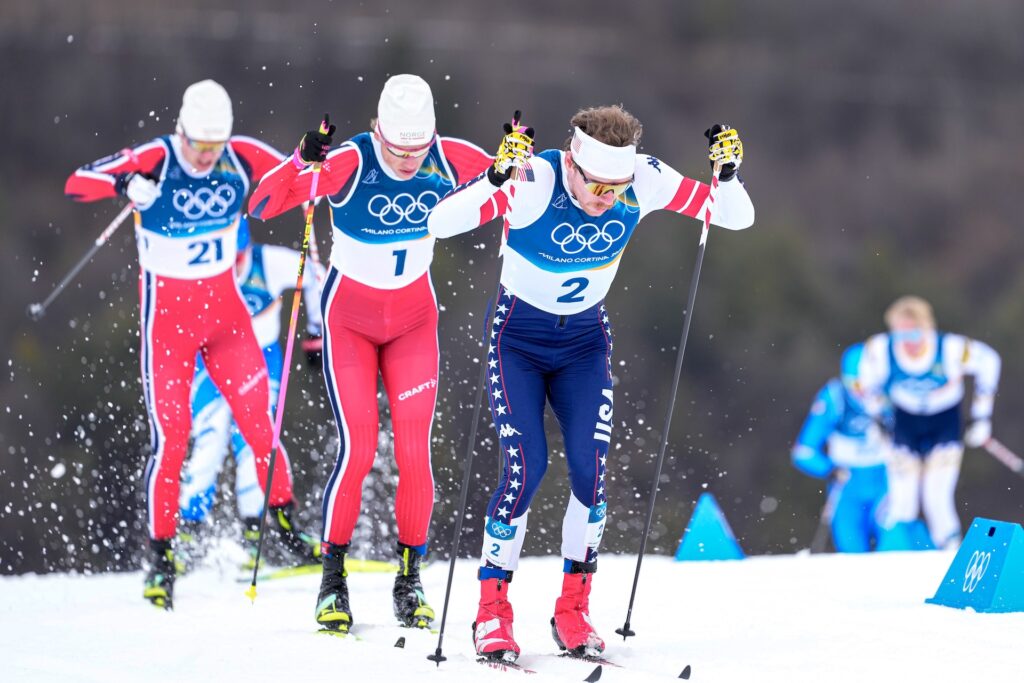
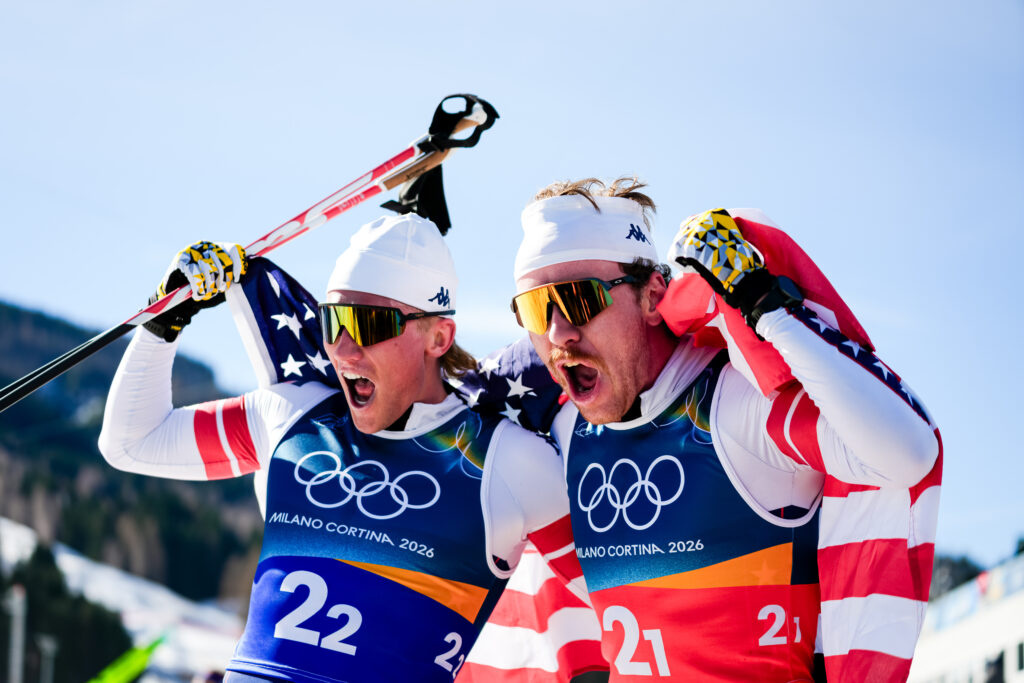
Ogden opened the Olympics with a silver in the sprint, followed by another silver in the team sprint. With this, he helped write American cross-country history: No male skier from the USA has won more medals than Ben Ogden.
For Ogden, the medals represented much more than just podium placements. They confirmed that he can succeed by trusting his own approach.
“It’s hard to put into words what those medals meant to me at that moment. I felt like I raced all the Olympic events with a somewhat unconventional strategy, but I played to my strengths and left everything I had on the course.”
Read More: U.S. cross-country skiing team nominations for season 2026/2027
No need to copy Klæbo
In the past, even strong performances often led Ogden to doubt his tactical choices and wonder if he should have done things differently.
“Succeeding on the biggest stage I’ve competed on was incredibly satisfying because it proved that my way of racing actually works. It may not be as consistent as the way Johannes Høsflot Klæbo does it, but it works for me,” Ogden explains to Langrenn.com.
“Looking back on those days, one thing stands out. I proved to myself that I can compete with the very best, even when it really matters. It confirms so many of the choices I’ve made – both in training and in life as a top athlete. It doesn’t take away my hunger to get even better, but it gives me faith that if I just keep being myself, I can reach the very top.”
The weeks following the Olympics were a whirlwind, Ogden recounts. A bout of illness forced him to skip the 50km in Falun, but it also helped him to take a step back and enjoy the rest of the season. And he did just that.
The story continues below.
“What a fantastic life I get to live!”
The World Cup finale at home in Lake Placid was yet another highlight. In front of family, friends, and a home crowd, he delivered some of his best distance races of the season.
“That weekend was just one big chaos of joy. It was the best possible ending to a fantastic season,” Ogden says.
The medals haven’t changed the way he thinks.
“I’m just taking the confidence from a successful Olympics and continuing to do what I’ve always done: trying to get a little better every single day and working towards new goals. What a fantastic life I get to live!”
The story continues below.
From heaven to hell in an instant
Just a couple of weeks after finishing the season with sprint gold at the U.S. Championships, disaster struck. Ogden fell and injured his knee during a spring ski trip in the mountains.
“The injury in April was definitely a hard blow,” he admits.
At that moment, he didn’t think it was serious. His knee hurt, but he figured it would get better after a few days of rest. That didn’t happen. The pain and swelling only worsened, and eventually, he decided to get it checked out.
The news from the doctors was what he dreaded: the meniscus was torn.
“Talking to the surgeons and hearing about the options and how long the rehabilitation would take was absolutely terrible. I remember thinking about everything I’ve achieved in cross-country skiing and how much of my life I’ve dedicated to the sport – and then everything could be taken away because of a random fall on a ski trip in the off-season,” says Ogden.
Must train alternately, for a long time
As the initial shock wore off, despair set in.
“It was hard to put everything into perspective at that moment, but little by little, I regained my faith. Now that the surgery is over and the crutches are put away, I feel stronger and more confident that I will come back. It may take time, but I know I can do it.”
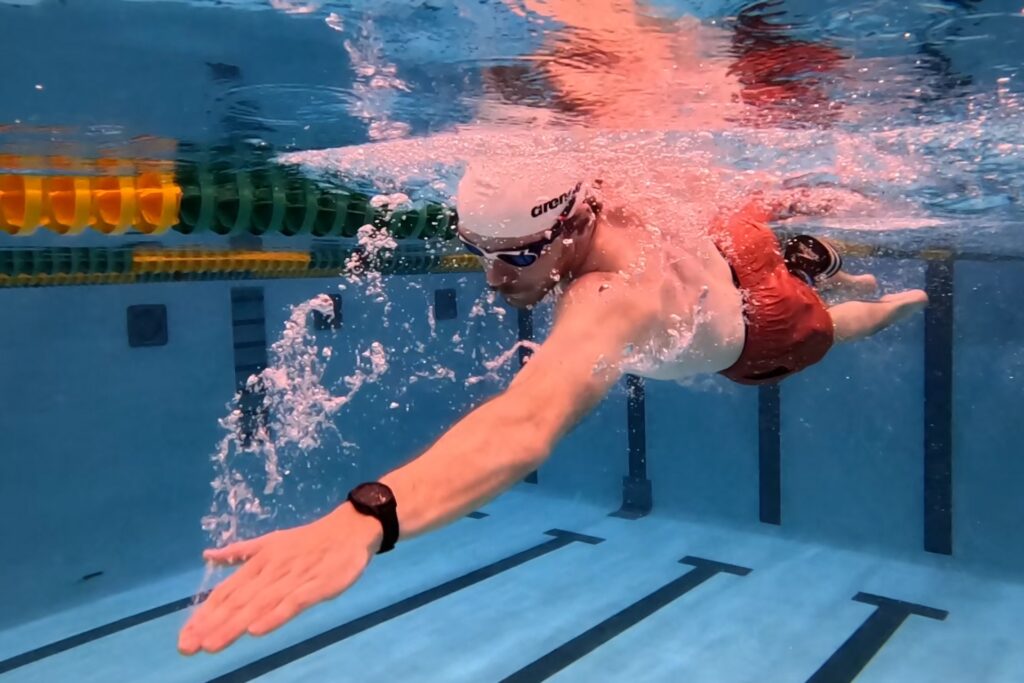
Since Ogden can neither roller ski nor run, he has shifted his focus to swimming, SkiErg, and strength training. He is convinced that this will make him a better skier, even though the training looks completely different than usual.
“I just have to believe that it’s making me better in ways I might not see right now.”
Conscious choice
Ogden chose to operate on the meniscus. This means a longer rehabilitation period but also provides the best conditions for a full comeback.
“I will probably have to take some precautions with my knee for a while, but when winter comes, I expect to be almost back. Maybe with fewer training hours than I would like – but ready to give it my all regardless.”
Can anything good come out of this overall?
“I really hope so! I’ve been in the gym three to four times a week all spring and summer, and I’ve gotten much better at pull-ups. Maybe that will give me a bit of extra power in my double-poling.”
Are you interested in traditional cross-country skiing? Click HERE and read more about it.
Subscribe to our newsletter
Most read
-
16.02.2026
-
03.12.2021
-
07.02.2026
-
05.06.2026
-
19.02.2026




More Articles
-
Welcoming the new leadership, but not part of the national team
For the first time in eight years, Marcus Grate is not part of any Swedish national team group. Nevertheless, he welcomes the new national team leadership.05.07.2026