Training tips for skiing from the 1950s
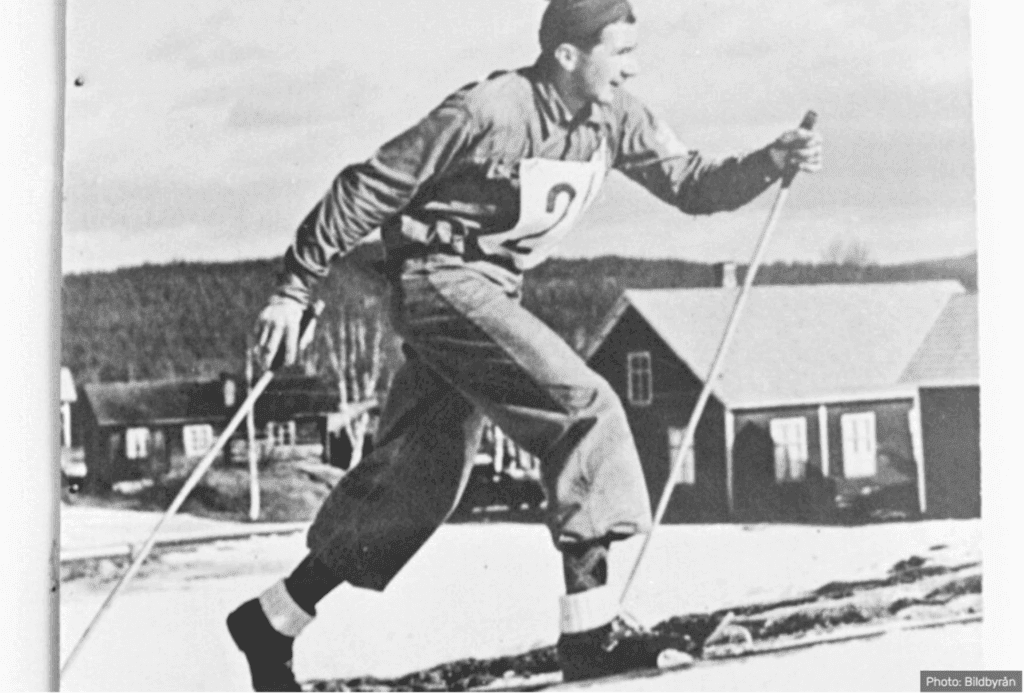
Skiing as a sport has evolved significantly over the years, but the fundamentals and principles of training are quite similar to those of old. Ski training was already organized into different seasons in the 1950s.
Training tips can still be taken from the 1950s, and here are excerpts from Martti Jukola’s “Urheilun pikku jättiläinen” (The Little Giant of Sports) over 60 years ago. In this over 1600-page “sports bible,” most sports are discussed quite thoroughly. Here are excerpts on general principles of skiing training. Has anything changed in 66 years?
***********
The skier’s year is divided, like that of other athletes, into rest, basic fitness, technique practice, competition, and transition seasons.
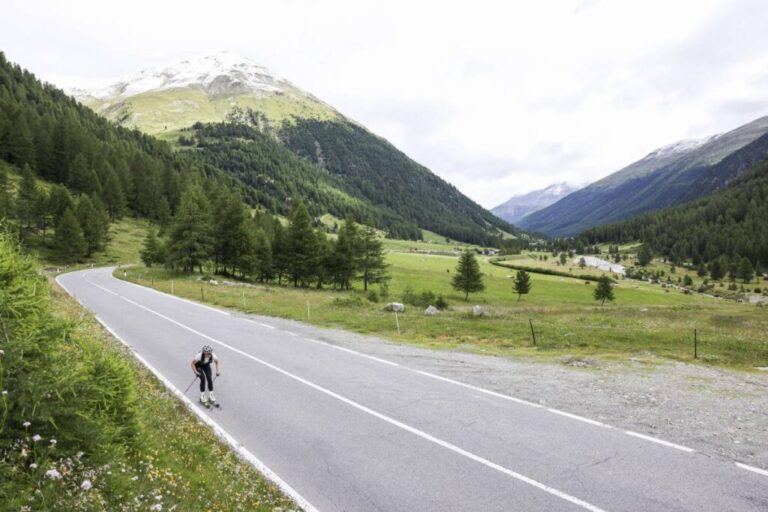
During the rest season, neural strength is accumulated, and the body’s need for physical activity is satisfied with brisk outdoor activities. Engaging in various sports is excellent summer activity for skiers. This creates the foundation for the basic fitness season, which starts in August. The best base training involves walking on dry ground or hilly forest paths, cross-country running, strenuous muscle work like chopping wood or felling trees, orienteering and hiking as varied refreshment, and shaping exercises.
[…] When snow arrives, the technique practice season begins, focusing on developing technique and speed built on the foundation of endurance from the previous season.
[…] Just before the main competitions of the competition season, training intensity peaks before gradually easing off. After competitions end, the transition season begins in early April, during which the body gradually adjusts to lighter activities, as it is straining for the heart to abruptly stop exercise after intense efforts. Therefore, during the transition season, if skiing conditions persist, one should ski on spring snow, descend hills, and engage in various skiing tricks. Lightly and somewhat playfully, one can also go for walks on Sundays.
[…] Training load should increase gradually, but it’s not the quantity of training sessions that matters, but rather the method and intensity with which they are performed. The impact of training depends not so much on the volume or intensity of activity as on their correct proportion to the individual’s current condition.
[…] It’s best to train alone, as then one can better focus on self-observation. Besides, it’s rare for two individuals to have the same speed and require identical training. Also, it must be remembered that training should not become so restrictive that daily work, the main content and purpose of life, suffers. After all, we ski for life, not live for skiing!
Martti Jukola, The Little Giant of Sports, 1958. Fifth revised edition. Edited by Reino Hirviseppä. Original article from Maastohiihto.com (ProXCskiing Suomi) published on July 23, 2024, and updated today.
Are you interested in long-distance and traditional cross-country ski training? Click HERE and read more about it.
Subscribe to our newsletter
Most read
-
-
14.09.2026
-
06.03.2026
-
16.09.2026
-



More Articles
-
Training at altitude: a double-edged sword, but effective – how to maximize its benefits
Are you looking to improve your physical fitness by training at higher altitudes, or planning to log your first kilometers on skis this season in one of the Alpine resorts? If so, do you understand the changes happening in your body, how to properly plan your training, and what mistakes to avoid?16.10.2026