Basics of periodization for long-distance skiing
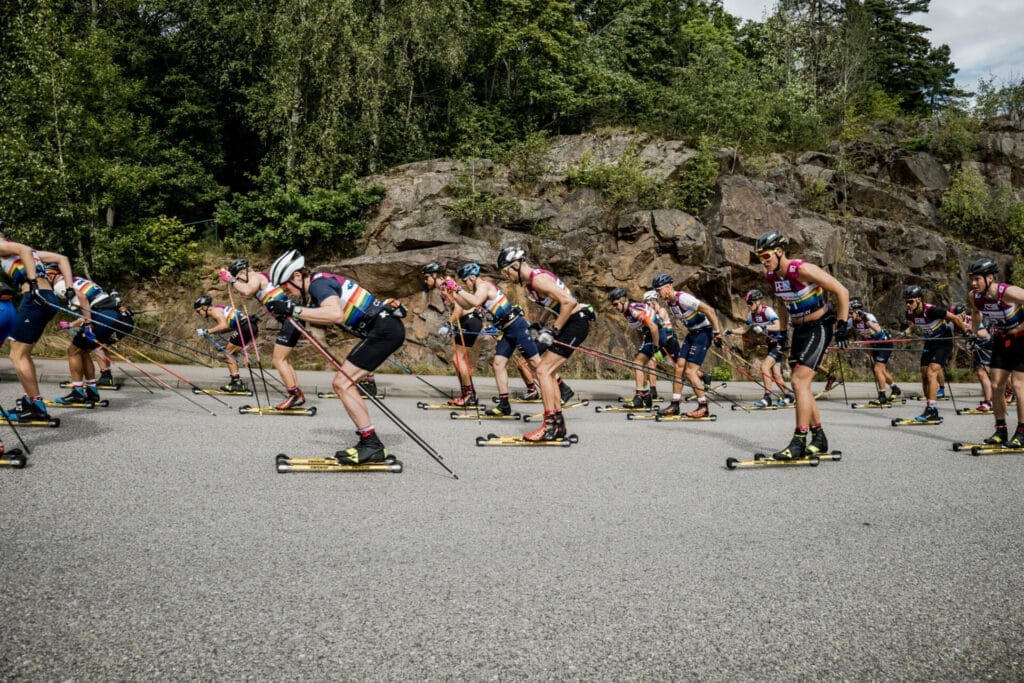
Long-distance skiing has significantly evolved in the last decades, not only in equipment and techniques but also in sports training. Systematic training, considering a physical activity performed regularly and with a good dose of volume and intensity, will invariably lead any skier to an improvement in performance.
Correct and systematized training planning makes a difference in the performance development of long-distance skiers. To organize the routine of training and competitions, training periodization appeared, which is nothing more than planning the athlete’s training in each period.
The Russian Matveev wrote the first studies on periodization in the 1960s, and since then, the training system has been evolving. A basic training structure for long-distance skiers, called blocks, is usually followed to facilitate the organization of training periods and the control of loads. In this sense, there are three main blocks: the macrocycle, the mesocycle, and the microcycle.
Also Read: When should roller ski training begin after the winter?
Macrocycle
Macrocycle is the entire periodization, the entire training season, from the first day of training to the last one. If, for example, the training period is 11 months, the macrocycle will extend for 11 months. Within this block, we have the preparation period, the competitive period, and the period of rest or transition.
The preparation period serves to increase the physical capacity of long-distance skiers. In the competitive period, the highlight of the training consists of the specificity of long-distance skiing, which aims to reach the athlete’s maximum performance. During the rest period, the objective is the athlete’s physical and mental recovery and the gradual loss of performance achieved at the end of the entire competition period without these levels reaching the same or lower levels than the beginning of the training season.
Mesocycle
The mesocycles are the smaller blocks that divide the macrocycle into smaller periods, allowing one to control the volume, intensity, and recovery of the training. On average, each mesocycle lasts 4 to 6 weeks, with an alternation of volume and intensity between weeks. In the last week, the volume and intensity are generally reduced to prevent overtraining, allow adequate recovery, and increase performance.
Each mesocycle has specific objectives to achieve at each period’s end. It is recommended that long-distance skiers do not start a new mesocycle before fully recovering from the previous one, which physiological and biochemical exams and training test results can monitor. In addition to the preventive factor, the result of these tests and examinations allows the coach to verify if the proposed goal is in the correct direction, modify it if necessary, and avoid overtraining.
Microcycle
Finally, we have the microcycles, which are the blocks that will form the mesocycles. In the most common periodization, the microcycle corresponds to one week of training. Usually, every four consecutive microcycles corresponds to one mesocycle, which amounts to one month of training.
These microcycles are constructed to gradually increase the training intensity to the third microcycle, corresponding to the highest intensity within a mesocycle. The fourth and last microcycle is called regenerative since it aims to provide the athlete with complete recovery from previously performed training, super-compensation, and preparation for a new mesocycle. In this period, both the intensity and the training volume should be reduced.
Are you interested in long-distance and traditional cross-country ski training? Click HERE and read more about it.
References
- Rowbottom, David J. (2000). “References”. In Garrett, William E.; Kirkendall, Donald T. (eds.). Periodization of Training. Philadelphia: Lippincott Williams & Wilkins. p. 499. ISBN 9780683034219. Retrieved 20 April 2013.
- Atomic 4 (12 November 2022). “The Basics of Periodization Training in Sports”. Vitruve | Velocity-Based Training. Retrieved 25 August 2023.
- Stone, Michael H.; Hornsby, William G.; Haff, G. Gregory; Fry, Andrew C.; Suarez, Dylan G.; Liu, Junshi; Gonzalez-Rave, Jose M.; Pierce, Kyle C. (August 2021). “Periodization and Block Periodization in Sports: Emphasis on Strength-Power Training—A Provocative and Challenging Narrative”. The Journal of Strength & Conditioning Research. 35 (8): 2351–2371. doi:10.1519/JSC.0000000000004050. ISSN 1064-8011. PMID 34132223. S2CID 235451191.
- Stone, Michael H.; Hornsby, William G.; Haff, G. Gregory; Fry, Andrew C.; Suarez, Dylan G.; Liu, Junshi; Gonzalez-Rave, Jose M.; Pierce, Kyle C. (19 October 2022). “Periodization and Block Periodization in Sports: Emphasis on Strength-Power Training—A Provocative and Challenging Narrative”. The Journal of Strength & Conditioning Research. 35 (8): 2351–2371. doi:10.1519/JSC.0000000000004050. ISSN 1064-8011. PMID 34132223. S2CID 235451191.
- Stone, Michael H.; Hornsby, William G.; Haff, G. Gregory; Fry, Andrew C.; Suarez, Dylan G.; Liu, Junshi; Gonzalez-Rave, Jose M.; Pierce, Kyle C. (26 October 2022). “Periodization and Block Periodization in Sports: Emphasis on Strength-Power Training—A Provocative and Challenging Narrative”. The Journal of Strength & Conditioning Research. 35 (8): 2351–2371.
- Bettin, Allison (11 April 2017). “Macrocycles, Mesocycles and Microcycles: Understanding the Three Cycles of Periodization”. TrainingPeaks. Retrieved 16 December 2022.
- Lacke, Susan (10 March 2022). “How to Use Periodization in Your Triathlon Training Plan”. Triathlete. Retrieved 30 January 2023.
- Bettin, Allison (11 April 2017). “Macrocycles, Mesocycles and Microcycles: Understanding the Three Cycles of Periodization”. TrainingPeaks. Retrieved 27 October 2022.
- Bettin, Allison (11 April 2017). “Macrocycles, Mesocycles and Microcycles: Understanding the Three Cycles of Periodization”. TrainingPeaks. Retrieved 14 September 2022.
Subscribe to our newsletter
Most read
-
08.08.2026
-
17.07.2026
-
10.07.2026
-
08.07.2026
-
23.07.2026



More Articles
-
Ilar wins pursuit and takes overall victory at Toppidrettsveka 2026
The third and final day of Toppidrettsveka 2026 in Norway saw Moa Ilar win the women's pursuit roller ski race in classic technique. Check the results and overall standings.23.08.2026