The World Championship courses in Falun are ready
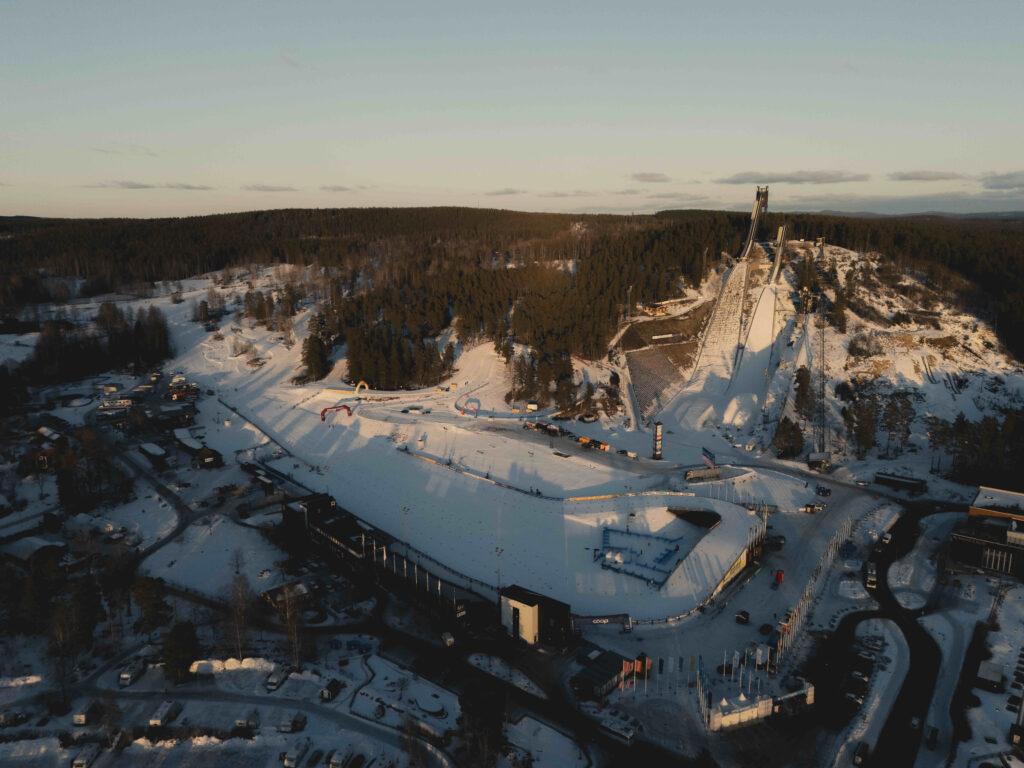
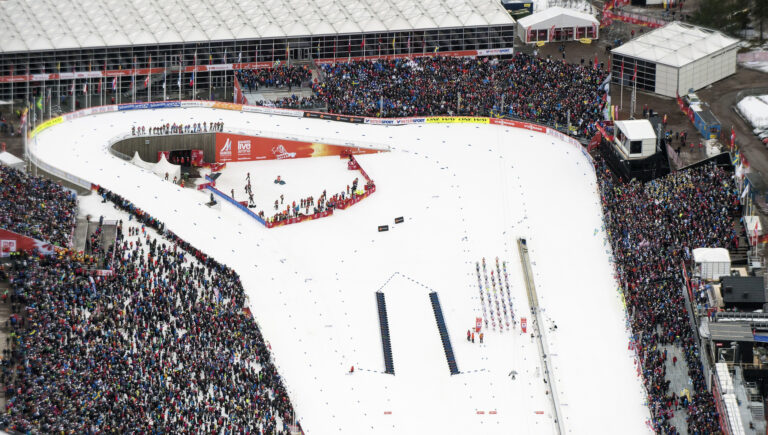
The competition courses for this winter’s Ski World Championships in Falun are now complete. “We have made the courses even more spectator-friendly,” says Tobias Söderberg Jönsson, Sports Director at Falun 2027, in a press release.
To prepare for the 2015 World Championships in Falun, significant changes were made to the competition courses at Lugnet. One of the architects behind these changes was the then course manager Tobias Söderberg Jönsson.
“We wanted to create a tougher finish and ensure that the decisive moments would happen inside the stadium. That’s when we built the sprint hills that we now use as the finale in all our races. This really elevated the courses and made them both tougher and more spectator-friendly,” says Söderberg Jönsson, who is now the Sports Director at Falun 2027, in a press release.
Also Read – Falun World Championships 2027: here is the complete competition schedule
Familiar territory
And now the courses for this winter’s Ski World Championships in Falun are ready.
“The courses will be recognizable to both athletes and spectators. The only major changes will be the entrance to the new bridge built in the Lugnet terrain. Additionally, the courses have been further compacted compared to 2015, to enhance the experience for both TV viewers and on-site spectators,” says Söderberg Jönsson.
He continues.
“In the relays, for example, athletes will enter the stadium a total of nine times to start, lap, exchange, and finish.”
Cross-country skiers will race on three different loops—red, blue, and black—besides the sprint course, which has remained the same since the 2015 World Championships. The black loop is a combination of the red and blue loops and will only be used in the individual 10-kilometer race on March 2.
All mass start races will conclude with the blue loop, where athletes will tackle the entire Mördarbacken, the sprint hills, and finish over the horseshoe inside the stadium.
“The fact that only the blue loop crosses the horseshoe inside the stadium allows athletes to utilize the full width of the horseshoe, making it more equitable and creating ideal conditions for sprint finishes,” says Söderberg Jönsson.
For athletes in Nordic combined, entirely new competition courses await at Lugnet. They will race on a 2.5-kilometer loop (blue) in the longer events and a 1.5-kilometer loop in their team sprint.
“They will ski a loop up to Dalahusstugan, then down through the sprint hills and into the stadium for laps. On the sprint course, they will follow a route that is largely identical to that of the cross-country skiers’ sprints, but they will take a slightly longer loop before entering the sprint hills.”
This is what the competition courses look like
Cross-Country Skiing
- Qualification race men/women 7.5km individual start classic technique = 3.75km red + 3.75km blue
- Sprint men/women freestyle = 1.3km green
- Team sprint men/women classic technique = 1.3km green
- Skiathlon men/women 20 kilometers = 3×3.3km red classic technique + 2x5km blue freestyle
- Individual start men/women 10 km classic technique = 2×5 km black
- Relay men/women 4×7.5km = 3.75km red classic technique + 3.75km blue freestyle
- Mass start men/women 50km freestyle = 3.3km red + 5km blue
Nordic Combined
- Individual Gundersen men/women 10km/5km freestyle = 2.5 km blue
- Individual Compact men 7.5km freestyle = 2.5 km blue
- Mixed team men/women 2×5.0 km/2×2.5km freestyle = 2.5 km blue
- Team sprint men/women 2×7.5km/2×4.5km freestyle = 1.5 km green
Are you interested in traditional cross-country skiing? Click HERE and read more about it.
As a member of ProXCskiing.com, you get full access to all content on the site and live streaming of Ski Classics Pro Tour events with English commentary.
When you become part of one of the world’s leading XC ski communities, you will receive many exclusive offers all year round.

Subscribe to our newsletter
Most read
-
28.09.2026
-
07.05.2026
-
11.05.2026
-
09.05.2026
-
13.09.2026

More Articles
-
Falun World Championships 2027: here is the complete competition schedule
Do you remember the fantastic atmosphere during the World Championships in 2015? It's almost time again at Lugnet in Falun. Here’s the schedule and times for the 2027 World Championships.05.10.2026