Why many endurance athletes incorporate heat training into their training programs
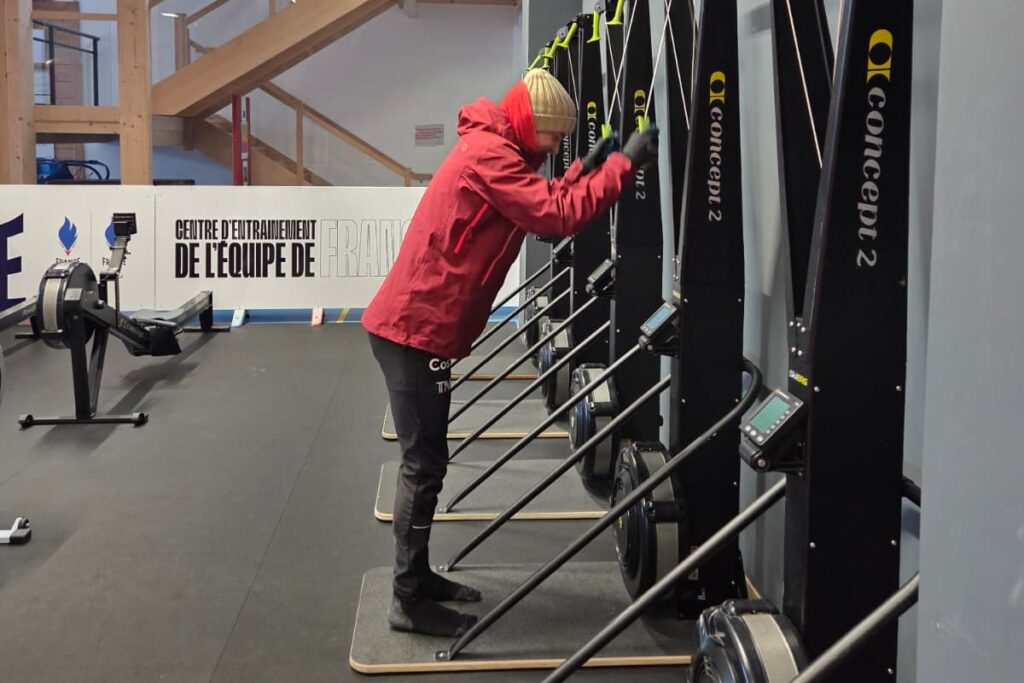
For some time now, we have observed the emergence of a practice in high-level endurance sports training. You may have already seen athletes on social media or in person training while wearing multiple layers of clothing, even when the weather and temperatures are quite mild.
In this article, we’ll explain what this so-called “heat training” entails, drawing on the experience of a seasoned athlete from the Ski Classics World Championship.
We previously looked at how the body benefits from the stress associated with high altitude. The more intense the physical activity, the more oxygen the body will need to continue functioning properly. This essential oxygen is carried by the blood throughout the body via red blood cells. Simply put, altitude training increases the concentration of red blood cells in the blood. With heat training, the goal is similar, but the process is different.
Also Read: Why train at high altitude?
1. The composition of blood
Blood is composed of plasma: this is what makes blood liquid. It accounts for about 55% of total blood volume.
It also consists of red blood cells, which are primarily responsible for transporting oxygen from the lungs to the organs. They account for 40 to 45% of blood volume.
The remainder consists of white blood cells and platelets, which account for about 1% of the blood. Platelets are primarily responsible for blood clotting in the event of injury, while white blood cells play a key role in your immune system.
2. The effects of heat training on the blood
The goal of training in the heat is to raise core body temperature. As the temperature rises, the body tries to adapt: plasma volume eventually increases over the course of the sessions. This larger blood volume improves circulation and the stroke volume of the heart.
Over a longer cycle, the plasma increase can be followed by a slower rise in total hemoglobin mass. Thus, as with the effect of altitude, more hemoglobin allows for greater oxygen transport, though this second response arrives later than the plasma effect and varies considerably from one athlete to the next.
3. The most widely used protocols for heat training
For heat training to be effective, you need to complete a cycle of three to five weeks with at least two to three training sessions per week. The goal of a session is to spend about 45 minutes within the target core temperature range for basic endurance training. This target range is between 38 and 39°C. Above 39.5°C, training becomes dangerous, so it is best to stop the session.
A warning before you try this
This type of training is intended for elite athletes working with professional support and must be performed with the utmost care. Core temperature is not the same as the temperature you feel, and it cannot be judged reliably without measurement. Pushing beyond the range above carries a real risk of heat illness. Nothing in this article should be treated as a training plan.
What it looks like in practice
To help us become even more familiar with this type of training, Thomas Ødegaarden, an athlete competing in the Ski Classics World Championship as part of Team Ragde Charge, shares his experience with heat training.
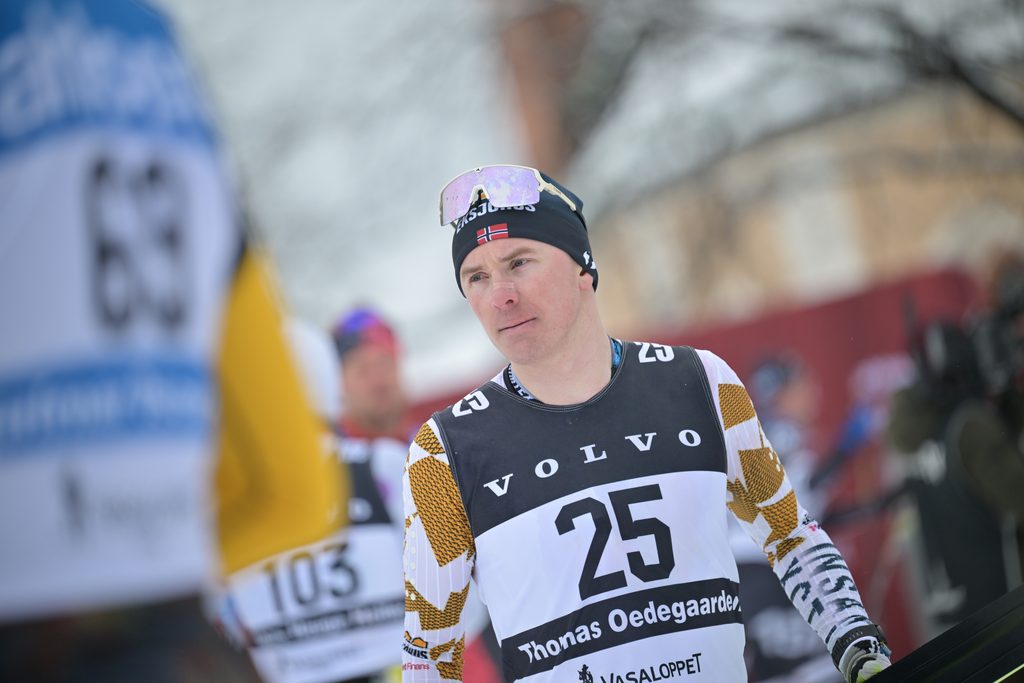
Ødegaarden begins by explaining how heat training helps him in his preparation:
“Heat training in my preparation for a season helps me to be ready for altitude races, and also cold conditions, and in general be more in shape.” He said, before adding: “In cold conditions, the heat training positively helps me because the blood flow and reach out better. Not just for heat adaptation, but also for extreme cold weather we can face in our races.”
We then asked him if he considered heat training to be as effective as altitude training:
“It’s difficult to say because I haven’t tried a long training altitude camp before. But I feel the heat training gives me some benefits in terms of the blood plasma, as I mentioned, for circulation and the stroke volume of my heart. It makes me feel fresher and in good shape. This benefit (blood plasma) comes quicker than the hemoglobin benefit. But also, in the longer term, the hemoglobin increase from heat training is more related to the typical altitude principle! But there has to be some relation since they call heat training ‘poor man altitude training.’ In addition, other people and I really increase our Hb after the standard 5×5 heat training protocol. But the effect is not so easy to know how long it will last, compared to altitude.”
Hb, or hemoglobin, is the iron-rich protein in red blood cells that carries oxygen.
Some athletes find this type of training mentally challenging, but the skier from Team Ragde Charge sees it as a plus:
“I don’t feel it’s a burden to my training when I’m in the right balance with my body. Of course, the first 2-3 sessions are a bit hard and can affect recovery a bit. But I feel the benefit from the training can be bigger if you do it right. But it can also be “too much” if you already have some fatigue. So, this is the thing I’m most warned about when I do it.”
Are you interested in training for long-distance, traditional cross-country skiing, and biathlon? Click HERE and read more about it.
Subscribe to our newsletter
Most read
-
12.11.2026
-
14.10.2026
-
-
17.11.2026
-
22.10.2026




More Articles
-
Kälin and Klee claim 10km classic wins at the Swiss Cup in Davos
The Swiss Cup season 2026/2027 visited Davos, Switzerland, today with a 10km interval start race in classic technique. Here are the women's and men's results.21.11.2026