Ski waxes: Science and technology, part 1
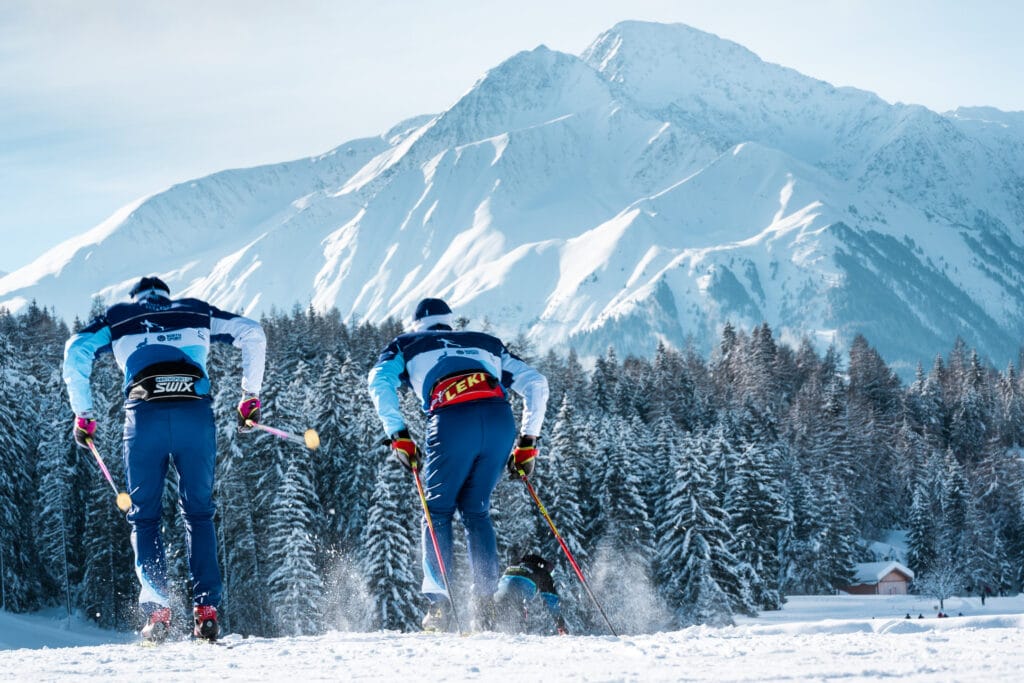
The nature was generous and brought a lot of snow to the next stage of the VISMA Ski Classics. The organizers work and continue to work hard and prepare a beautiful course to all the athletes.
Kaiser Maximilian Lauf takes place tomorrow, January 12 in Seefeld/Austria and within a few hours all teams will be on the starting line for another big race.
Actually the competition started well before the start, during the week all the teams and athletes tested their equipment and the big question is always, which wax will be the fastest and most efficient for the weather and snow conditions on the race day?
Some call it ski waxing art, others magic, but my opinion is that it is pure technology and science.
The ski wax is a material applied at the base of the skis to improve the glide and grip performance of the skis in various snow conditions.
For Nordic skiing we have glide and grip waxes, and among them, several subdivisions. In this article, we will focus on glide waxes.
Current waxes are designed to best suit different types of snow, types of ice crystals, moisture and temperature. And as everyone knows, they are chosen to minimize glide friction.
To better understand the waxes and their best use, we need to know what friction is.
Friction is the force resisting the relative motion of solid surfaces, fluid layers and material elements sliding against each other¹, and for Nordic skiing, basically being able to be divided in dry friction, wet friction and electrostatic friction:
- Dry friction is the friction that happens when the ice crystals of the snow are rubbing the ski base. To reduce it, the wax used needs to be harder than snow.
- Wet friction is the friction created when there is too much water in the snow. Fluoride is the answer to reduce this type of friction, and the amount of fluoride in the wax needs to match the amount of water in the snow.
- Electrostatic friction is that generated every time the base of the skis moves in the snow, creating an electrostatic charge and increasing friction. This can be reduced with the correct use of antistatic additives to the wax.
Now that we know a little more about friction and its influence on the choice of waxes, let’s check out the different types of glide wax:
- Hydrocarbon Wax – waxes 100% paraffin, without the addition of fluorocarbon.
- Low Fluorocarbon Wax – products with a low percentage of fluorocarbon added to the wax.
- High Fluorocarbon Wax – products that have high fluorocarbon content added to the wax.
- Fluorocarbon Powders, Blocks, Liquid – products specifically synthesized for the base of race skis.
Want to know more about glide waxes, fluor, powders, blocks, liquids and all the news on the market?
Stay tuned in part 2 of our article coming out next week, sure to catch the attention of our readers with all the news of the world of waxes, in an exclusive talk with the wizard of chemistry and one of the greatest wax connoisseurs in the Nordic World. Anyone take a guess at the identity of this person?
¹Friction – Merriam-Webster Dictionary.
Subscribe to our newsletter
Most read
-
-
14.09.2026
-
27.02.2026
-
22.09.2026
-


More Articles
-
Anger reflects on Olympic nightmare: “My goal is an individual World Championship medal”
Last winter started as a dream but turned into a nightmare. Now, Edvin Anger has recharged ahead of the World Championships in Falun, with individual medals as the goal.17.10.2026