FIS could be forced to lift Russian ban
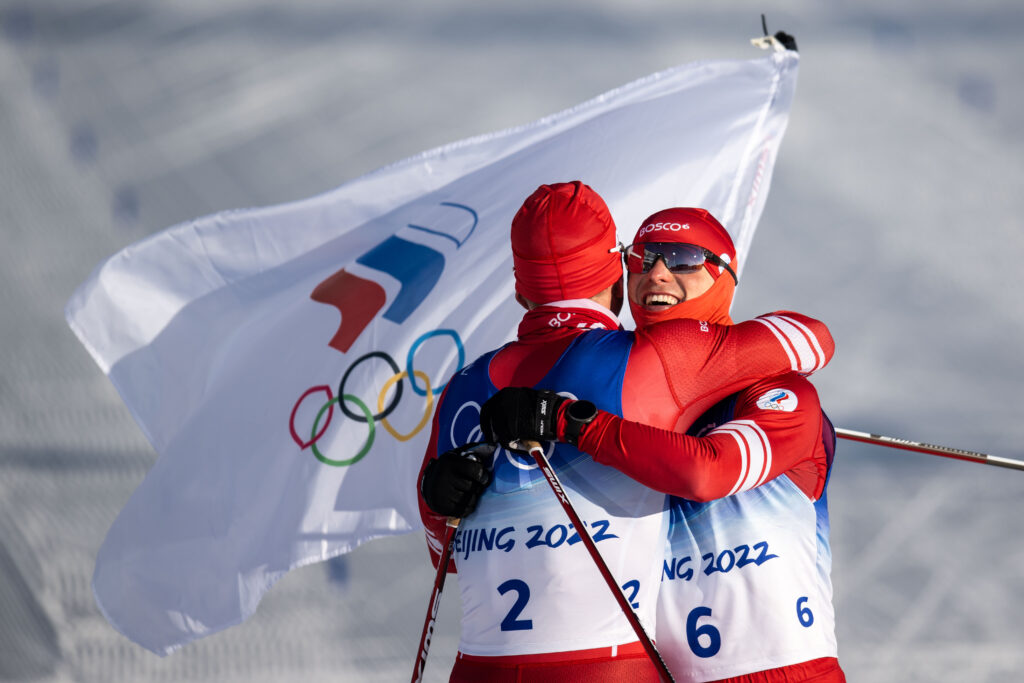
After two recent rulings by the Court of Arbitration for Sport (CAS), legal expert believes the International Ski and Snowboard Federation (FIS) may be compelled to overturn its ongoing ban on athletes from Russia and Belarus. The outcome could reshape both the World Cup and the 2026 Olympic Winter Games in Milano-Cortina.
Russian leaders were furious, and athletes dismayed, when the International Ski and Snowboard Federation (FIS) decided in October to maintain its suspension of athletes from Russia and Belarus — now entering its fourth year.
Also Read – FIS says no to Russia
This came despite the International Olympic Committee (IOC) allowing athletes from these nations to compete at the upcoming Winter Olympics under a neutral flag and under the same strict criteria applied at the 2024 Paris Games.
Read More – IOC: Russians and Belarusians allowed to compete under neutral flag at 2026 Milano Cortina
Russian officials quickly announced they would appeal the decision to the Court of Arbitration for Sport (CAS).
Also Read – Russians furious after FIS decision: “We will use all available means
Russians have already won two appeals
Norwegian lawyer Pål Kleven now believes the Russians could succeed in a similar appeal against FIS. He is one of Norway’s most experienced specialists in sports law.
His view is based partly on two recent rulings:
In October, the suspension of Russian table tennis players was overturned. CAS ruled that the ban violated the principles of political neutrality and non-discrimination enshrined in both the Olympic Charter and the European federation’s own statutes. The International Table Tennis Federation was therefore forced to reverse its decision and allow Russian athletes to compete, provided they met the IOC’s criteria.
In bobsleigh and skeleton, the ban has been partially lifted — now applying only to athletes who fail to meet the IOC’s requirements for neutral participation.
These rulings have given Russian athletes renewed hope of competing at the 2026 Winter Olympics.
“We hope that the decision regarding our bobsleigh and skeleton athletes will set a precedent for all other international federations that continue to exclude Russian athletes from international competitions,” wrote Russian sports minister Mikhail Degtyarev recently on his Telegram channel.
FIS may be forced to reverse
According to Kleven, the recent CAS rulings make it possible that the Russians could have FIS’s decision overturned — if they follow through with their announced appeal.
“CAS can either uphold or overturn FIS’s decision, but it usually places great weight on whether the federation has followed its own statutes and the practices of the IOC and other international bodies,” Kleven told TV 2.
“Essentially, this is about balancing the sport’s right to protect its integrity and the athletes’ right not to be discriminated against. The outcome could have consequences far beyond skiing,” he added.
FIS has strict rules regarding collective suspensions. According to its own statutes, the federation (Statutes 5.2):
“FIS shall not allow any discrimination against national federations or individuals (competitors, officials, judges, delegates, etc.) on the grounds of race, gender, religion, sexual orientation, gender identity, political affiliations, languages or abilities. FIS shall conduct its activities in a politically neutral manner.”
It was precisely this principle that FIS President Johan Eliasch highlighted in a letter to national federations ahead of the October 21 decision.
Also Read – A single letter could change everything: FIS faces key decision on Russian participation
If the ruling is overturned, Russian and Belarusian athletes meeting the criteria would be able to compete in the World Cup, allowing them to qualify for the 2026 Olympic Winter Games.
Read More
Cross-country skiing World Cup: Calendar for the 2025/2026 winter season
Program for cross-country skiing at the Milano-Cortina 2026 Winter Olympics
Are you interested in traditional cross-country skiing? Click HERE and read more about it.
As a member of ProXCskiing.com, you get full access to all content on the site. Also, live streaming of Ski Classics events with English commentaries is available.
When you become part of one of the World’s leading XC ski communities, you will receive many exclusive offers all year round.

Subscribe to our newsletter
Most read
-
16.02.2026
-
03.12.2021
-
07.02.2026
-
05.06.2026
-
19.02.2026



More Articles
-
Hedegart: “It will be greater than Olympic golds”
Just three months after returning to biathlon, Einar Hedegart has set a goal he believes will surpass the two Olympic golds he won last winter.27.07.2026