Maximizing summer training: A guide for recreational skiers
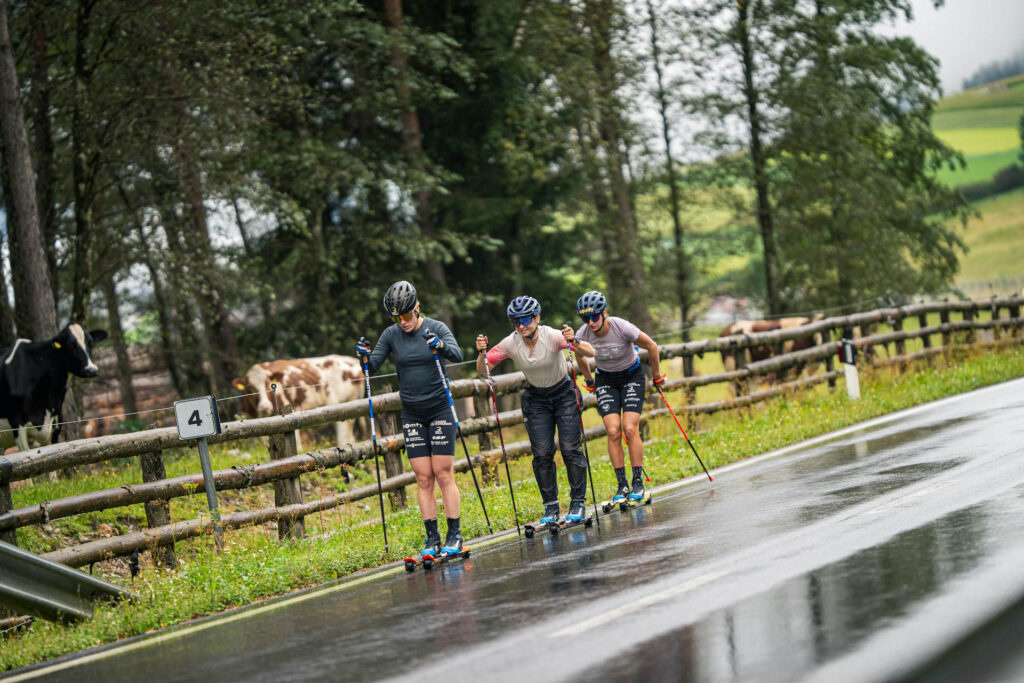
Summer is where stronger winter performances are built. With the right balance of endurance, strength, technique, and recovery, recreational skiers can significantly improve their fitness and confidence before the snow returns.
For recreational skiers, summer is no longer just a break between seasons—it is a valuable opportunity to improve. Whether the aim is to complete a long-distance cross-country race or simply to ski more efficiently, progress begins with understanding your current condition.
The first step is an honest assessment. Many skiers repeat the same training routines year after year without evaluating whether those routines still serve their needs. Recognizing strengths, weaknesses, and areas for development allows training to become more targeted and effective.
Fitness testing is not reserved for elite athletes. Measuring aerobic capacity, identifying heart rate zones, and assessing strength, mobility, and muscle balance can provide valuable guidance. Even simple field tests can help recreational athletes track progress and adjust training accordingly.
Also Read: Monitoring load and recovery in endurance training
Build a strong endurance base
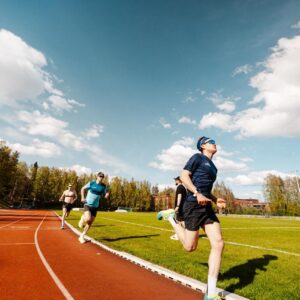
Endurance remains the foundation of cross-country skiing, and summer is the ideal time to develop it. Long, low-intensity sessions are essential for improving aerobic capacity and overall stamina.
A common mistake among recreational athletes is training too hard too often. Instead, most sessions should be performed at a comfortable pace that can be sustained for extended periods. Gradually increasing training volume allows the body to adapt without excessive fatigue, creating a solid base for more demanding efforts later in the season.
Extend training with combined workouts
For those who find long sessions challenging, combined workouts offer an effective alternative. Starting with roller skiing and continuing with running or Nordic walking (walking with poles) allows for longer total training time without overloading specific muscle groups.
This approach not only improves endurance but also keeps training varied and mentally engaging. It is a practical way to build capacity while reducing the risk of overuse injuries.
Develop upper body strength
While running and cycling are popular summer activities, they primarily target the lower body. Skiing, however, relies heavily on upper body endurance and strength.
Roller skiing is one of the most effective ways to train these muscles in a sport-specific manner. In addition, strength training focused on the core, shoulders, and arms helps support efficient technique and power generation. Neglecting upper body development can limit overall performance, particularly in techniques such as double poling.
Overcome the fear of roller skiing
Despite its benefits, roller skiing can feel intimidating for beginners. Concerns about balance, braking, and downhill control are common.
It is recommended to start with double poling on flat terrain, where control is easier to maintain. The focus should be on building confidence and developing a feel for the movement rather than on speed or performance. As confidence grows, both distance and intensity can be increased gradually.
Add variety to stay motivated
Effective training does not have to be monotonous. Incorporating activities such as ball games, trail running, or hiking adds variety and keeps motivation high.
These activities improve coordination, strengthen supporting muscles, and introduce natural variations in movement. They also provide a social element, which can make training more enjoyable and sustainable over the long term.
Prioritize structure and recovery
Even with varied training, maintaining structure is essential. Proper warm-ups and cool-downs should be included in every session to reduce injury risk and support performance.
Recovery plays an equally important role. Adequate sleep, balanced nutrition, and regular rest days allow the body to adapt and improve. Without sufficient recovery, even the best training plan will fall short.
Building toward winter
Summer training for recreational skiers is not about extreme workloads but about consistency and smart planning. With limited time available, recreational skiers cannot train full-time, but by focusing on proper assessment, endurance development, upper body strength, and varied training, they can still head into the winter season stronger, more confident, and better prepared.
The payoff is not only improved performance but also a more enjoyable experience on the snow.
Are you interested in training for long-distance, traditional cross-country skiing and biathlon? Click HERE and read more about it.
Subscribe to our newsletter
Most read
-
02.04.2026
-
09.12.2025
-
06.03.2026
-
04.04.2026
-
03.03.2026


More Articles
-
Inari crowns the season with sun, stamina and farewells
Under warm spring sunshine in Inari, the Finnish Championships concluded with demanding long-distance races that tested endurance, tactics and resilience on a tough course.12.04.2026