Still unsure about ski choice for Vasaloppet? The expert has clear advice
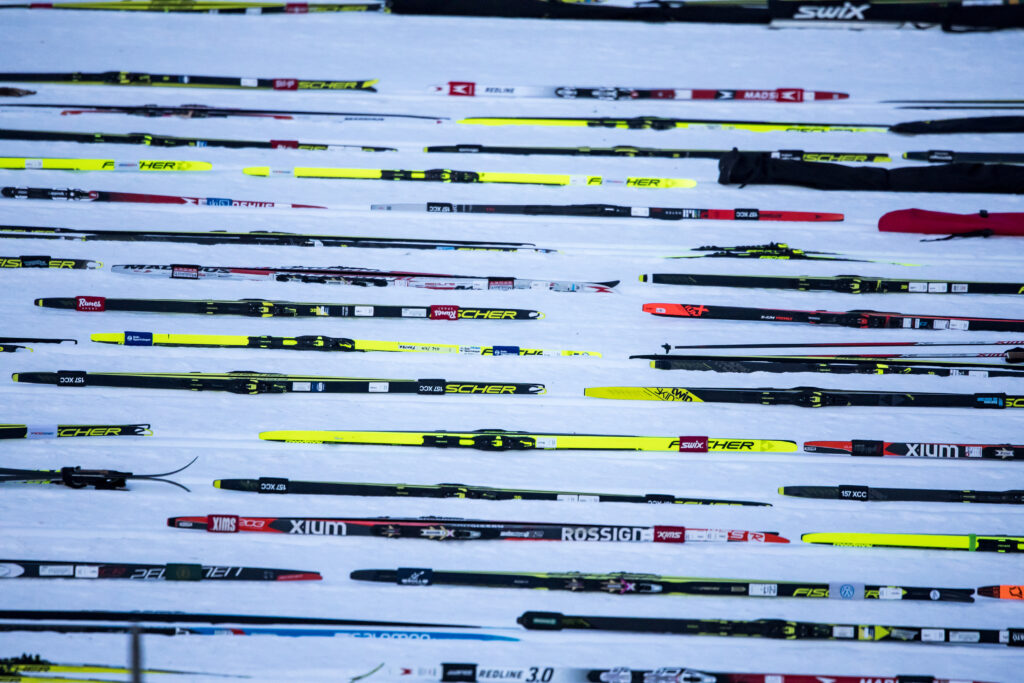
The expert has a clear recommendation for choosing the right skis for long-distance races: “This is the best ski for almost everyone.”
Choosing the right skis for Vasaloppet and other long-distance races depends on what type of skier you are, and each type has its advantages.
Skin skis, double-pole skis, or traditional waxable classic skis are all relevant options. But who should choose which?
Langrenn.com spoke with Vasaloppet guru Erik Wickström about choosing the right skis for Vasaloppet, the different ski types, and which skis suit which skiers.
Wickström has written several books about cross-country skiing and training, equipment, gives lectures, and hosts the podcast “Lagom Kondition,” aimed at beginners and recreational skiers. He also offers coaching for athletes at all levels through his company, Wickström Coaching.
How to choose the right skis
Skin skis, double-pole skis, or traditional waxable classic skis? The right choice for Vasaloppet depends on the type of skier you are, and Wickström emphasizes that all types have their strengths.
Here, he breaks down the three main types of skis used in long-distance racing.
Skin skis
Wickström began skiing on skin skis as early as 2011 and believes it is entirely possible to ski very fast on today’s generation of skin skis.
“A lot has happened in the past 10 to 15 years. They glide essentially as well as other racing skis, and they often provide reliable grip. I believe skin skis are actually the best option for perhaps 80 to 90 percent of those skiing Vasaloppet,” he says.
Wickström finished 11th in the elite class at Holmenkollmarsjen in 2019 on skin skis. As far as Langrenn.com knows, he is the only skier to have qualified for the elite start group in Vasaloppet using skin skis.
At the same time, Wickström points out that skin skis have some limitations.
“When I skied Holmenkollmarsjen on skin skis, I saw that I had just as good glide as everyone else downhill. But skin skis are not quite as fast when you change tracks and when you get up on your toes to initiate a new pole push. Double-pole skis are superior there; that’s exactly what they are designed for,” he says.
Double-pole skis
Double-pole skis are the fastest-growing segment in cross-country skiing. According to Wickström, there are good reasons for that.
First, both tracks and skis have improved, but people also train differently now.
“Many more recreational skiers train extensively on roller skis throughout the summer and autumn, and that involves a lot of double poling. Many have also started training on double-poling machines. It’s very different compared to just a couple of decades ago,” says Wickström.
Jørgen Aukland was the first to win Vasaloppet without kick wax in 2013, followed by Laila Kveli in 2014, both on traditional classic skis. Shortly after, ski manufacturers began developing classic skis specifically for double poling. Today, all major brands offer dedicated double-pole skis in their range.
The advantage of double-pole skis is that they are specifically designed to be fast when double poling.
“They are quite similar in construction to regular waxable classic skis, but they have a stiffer final camber. They feel relatively soft, but it’s hard to compress the very last part. That creates a fantastic feeling of speed,” says Wickström, continuing:
“You notice the biggest difference between traditional classic skis and pure double-pole skis when double poling at high intensity, especially uphill. Double-pole skis feel more responsive than traditional classic skis. That sensation is enhanced by the fact that double-pole skis are often shorter, which creates a distinct speed feeling.”
Wickström adds that double-pole skis should not be confused with skate skis, even though both are used without kick wax.
“Skate skis may work in some situations for certain people, but they are built very differently from double-pole skis, and most people will find skate skis too stiff. They might work fine at the beginning, but later in the race, they usually feel heavy,” explains Wickström, who has previously raced long-distance events on skate skis.
It is not necessarily required to buy new double-pole skis if you decide to double pole.
“Depending on the camber, traditional classic skis can also work as double-pole skis. If you are a recreational skier curious about trying double poling, I would recommend testing with the skis you already have. If they work well enough, there is no need to buy dedicated double-pole skis,” he says.
Traditional waxable classic skis
Although more skiers double pole in Vasaloppet and other long-distance races, or choose skin skis for grip, Wickström is clear that traditional waxable classic skis still have their place.
“They are still slightly faster than skin skis. For those competing in the World Cup or traditional elite-level racing, regular classic skis are necessary. For a small group of Vasaloppet skiers, they are also the best choice: those who care about finishing times, enjoy skiing with diagonal stride, or cannot manage to double pole the entire race,” says Wickström.
A significant drawback of traditional classic skis is waxing, especially in variable conditions between start and finish.
“In Vasaloppet, it can be minus ten degrees Celsius at the start and several degrees above zero at the finish. Then it’s challenging to get the waxing right for the entire race. You need solid waxing knowledge or access to a good waxing team,” Wickström says.
So, in summary, which type of ski suits which type of skier?
“Most people should choose skin skis. But don’t forget to select a binding that can be adjusted without removing your skis. Move the binding forward from the neutral position for better grip, and backward for better glide. I believe that’s the right choice for the majority of skiers who ski Vasaloppet. They glide just as well as double-pole skis and traditional skis, and you don’t have to think about kick waxing.
Those who focus on finishing times and believe they are faster double poling the entire Vasaloppet, and have that as a goal, should choose double-pole skis,” says Wickström, adding:
“And then there’s a very small group who should choose traditional waxable classic skis: those who care about times but don’t want to, or can’t, double pole the entire Vasaloppet.”
Also Read: All you need to know ahead of Vasaloppet Season XVII
Ski Classics Pro Tour Season XVII (2025/2026)
Season XVII of the Ski Classics Pro Tour consists of 13 events across 9 event weekends in 6 countries.
- Event 1: December 13, 2025 – Bad Gastein Pro Team Tempo – Sportgastein, Austria, 7km
- Event 2: December 14, 2025 – Bad Gastein Criterium – Sportgastein, Austria, 36km
- Event 3: January 17, 2026 – Engadin La Diagonela – Pontresina-Zuoz, Switzerland, 47km
- Event 4: January 25, 2026 – Marcialonga – Moena-Cavalese, Italy, 70km
- Event 5: January 30, 2026 – Bedřichov Sprint – Bedřichov, Czech Republic, 1.5km
- Event 6: February 1, 2026 – Jizerská50 – Bedřichov, Czech Republic, 50km
- Event 7: March 1, 2026 – Vasaloppet – Sälen-Mora, Sweden, 90km
- Event 8: March 7, 2026 – Orsa Grönklitt 50k ITT Women – Grönklitt, Sweden, 50km
- Event 9: March 8, 2026 – Orsa Grönklitt 50k ITT Men – Grönklitt, Sweden, 50km
- Event 10: March 14, 2026 – Birkebeinerrennet – Rena-Lillehammer, Norway, 54km
- Event 11: March 21, 2026 – Marcialonga Bodø – Bodø, Norway, 50km
- Event 12: March 28, 2026 – Reistadløpet – Setermoen-Bardufoss, Norway, 35km
- Event 13: March 29, 2026 – Grand Finale Summit 2 Senja – Bardufoss-Finnsnes, Norway, 60km
For more updates and detailed information about the Ski Classics Pro Tour, make sure to visit skiclassics.com
Subscribe to our newsletter
Most read
-
03.08.2026
-
26.07.2026
-
28.01.2026
-
27.02.2026
-





More Articles
-
Biathlon legend Gabriela Soukalová welcomes second child
The 36-year-old biathlon star Gabriela Soukalová gave birth to her second daughter this Saturday, who was given a noble name, and an older sister is already waiting impatiently for her at home.30.08.2026