New vision for a Nordic legend: Kästle boss on the future and development of Madshus
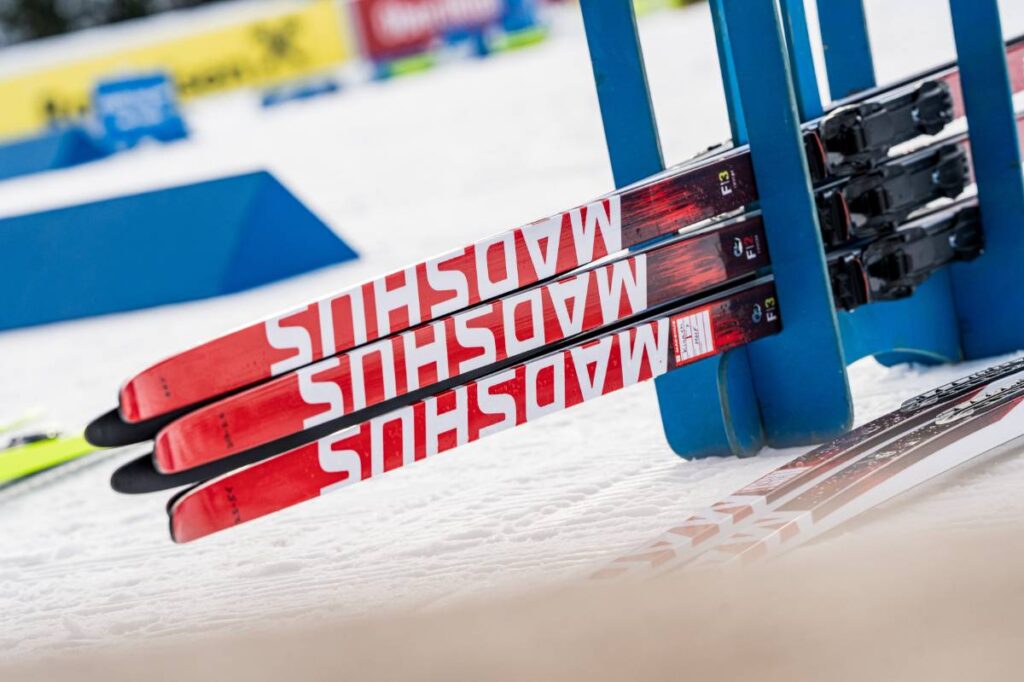
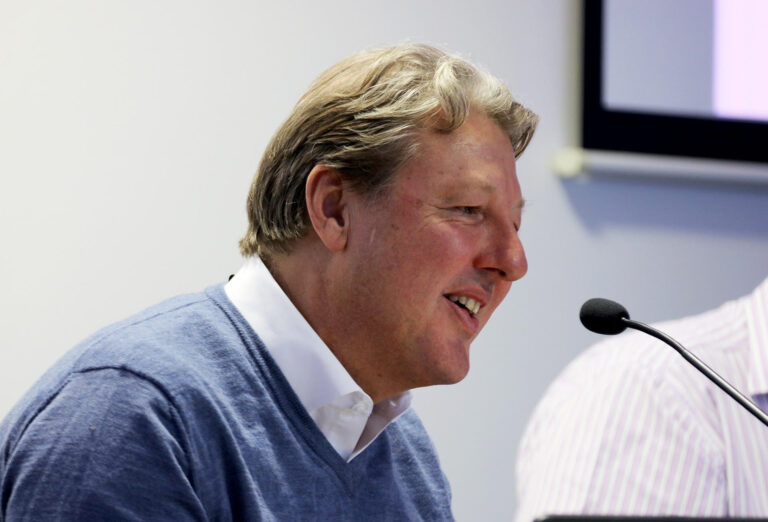
Czech brand Kästle recently shocked the ski world by bringing Norwegian icon Madshus, with 120 years of tradition, into its sports group. Kästle CEO Radek Nožka talks about the background to this major acquisition, the move of series production to the Vysočina region and what it means for the future of cross-country skiing.
The decision to buy the legendary brand was not driven only by business calculations. Above all, it was an effort to save a unique history. “The situation was that either Madshus would disappear, or someone would save it. And for us, it is a brand with a very beautiful history. That was one of the motives. With Kästle, we saw that when the story is similar, it is easier for us to acquire such brands,” explains Radek Nožka.
For the Czech company ConsilTech, it is also an ideal way to break into the Scandinavian market, where Kästle has so far struggled to find a position. “Kästle is still very weak in Scandinavia, while the two main markets for Madshus are Norway and Sweden. Thanks to Kateřina Neumannová, Madshus is known in Central Europe too, but the business mainly takes place in Norway and Sweden,” explains Kästle CEO Radek Nožka.
How Norwegian patriots see the brand’s origin also plays a role. Few people realize that the traditional Norwegian icon had been owned by foreigners for almost half a century. “After fifty years, Madshus has partly returned to Norwegian hands. It may not be widely known, but for almost the last fifty years it was owned by Americans. So there was no ownership in Norway at all. By bringing in Torstein Myklebostad, the former head of Rottefella, as a co-owner, the brand is returning to Norwegian hands,” says Nožka.
Development stays in Norway
Series production in Biri, Norway, had long been economically unsustainable, so a firm decision was made. “We have had Madshus for a few months, and so far we have decided that we must move the large-scale series production, because it does not make economic sense there. But the whole Madshus philosophy stays in Norway, including development and the production of prototypes,” Radek Nožka assures.
According to him, the factory in Nové Město is ready to take over the Nordic tradition in full, partly thanks to its experience with another Nordic brand: “Production was in Norway, that is true, but it simply has no chance of working economically there in the long term. In Nové Město we show this with another Norwegian brand, Åsnes, which is made at our factory, and I think the Norwegians will manage to give the product a Nordic spirit even if it is made elsewhere. The Nové Město plant can produce any ski, so Norway will be more the development part. That is where they will decide what the ski should be made of, exactly how, and with what settings. And I think that in terms of technology, Nové Město is at a comparable level, maybe even better in some areas, than the Norwegian production plant.”
Nové Město na Moravě is currently evaluating which elements to take over from Norway. “We have decided that production of TOP-1 skis and below will switch to the Nové Město technology. We are now evaluating what this will mean exactly for the individual production processes. While we use a wood/honeycomb combination for the cores and always glue 2 skis at once, in Norway foam was used for all models and they glued half-pairs. So the technologies will need to be aligned. In general, however, Norway had to work on automation much earlier because of high labor costs, so in some respects it is further ahead in this area.”
The move will also help the Nové Město factory, which will need to hire new workers. “Of course, we will have to hire a few more people so that production can handle it. But this will rather bring us back closer to the numbers we had when demand for cross-country skis was higher,” adds the Kästle boss.
Disappointed Norwegian team
Keeping the Norwegian developers motivated and convincing top athletes is a big challenge for management. After the cuts, about half of the original sixty employees remained in Biri, and the atmosphere was not easy. “On top of that, in recent years they struggled with technical and technological problems, and in that small team they were dealing with acute problems rather than developing anything. I think that when the development team is bigger and connected, they will also have time for truly new development.”
At the same time, the Nové Město CEO understands the attitude of the Madshus employees in Biri: “The employees in Biri, Norway, are understandably disappointed or upset right now. For me, that is natural and you cannot blame them. If I had gone to work for twenty years developing cross-country skis in Norway and someone then closed the production, my first reaction would not be enthusiasm either. But we are now gradually convincing them that it makes sense to bring this together. They are experienced workers and they have knowledge.”
Also Read: New update: Madshus holds firm on what matters most
Keeping the stars
Radek Nožka is aware of the risk that elite athletes may leave, but he is betting on technical progress: “Of course, the risk is there. But we believe that by combining technologies and knowledge, we will make them faster skis than they have now. Then it will be up to them whether it was more a patriotic matter for them and they mind that the brand will no longer be purely Norwegian, or whether it is about the performance of the equipment. And we are not so worried about that.”
The current market
The whole cross-country skiing industry is going through a difficult period, but Kästle sees an opportunity in this. “The cross-country ski world has been under pressure for many years, actually since Covid. Everyone is cutting budgets for athletes and racing departments, because they simply do not have the money. Sales of cross-country skis have fallen by half worldwide over the last few years. I think there are two options. Either we assume that there will never be snow again, and then we can basically stop. Or we say that there will be snow – fine, it will be elsewhere, more in the mountains, people will have to travel to it – but that it makes sense to do development. Because when others are scaling it back a bit now, we have a better chance of getting ahead in something,” says Radek Nožka, looking positively to the future.
Read More: Madshus gets new owner as ConsilTech and former Rottefella CEO take over
Subscribe to our newsletter
Most read
-
19.10.2026
-
-
22.10.2026
-
04.10.2026
-



More Articles
-
New FIS president speaks openly about finances, annual World Championships and Russian athletes
New FIS President Alexander Ospelt was the main guest at the 47th Forum Nordicum in Nové Město na Moravě. He says cross-country skiing must become more exciting for spectators, and he supports the idea of holding World Championships every year.04.11.2026