Nutritional path to success?
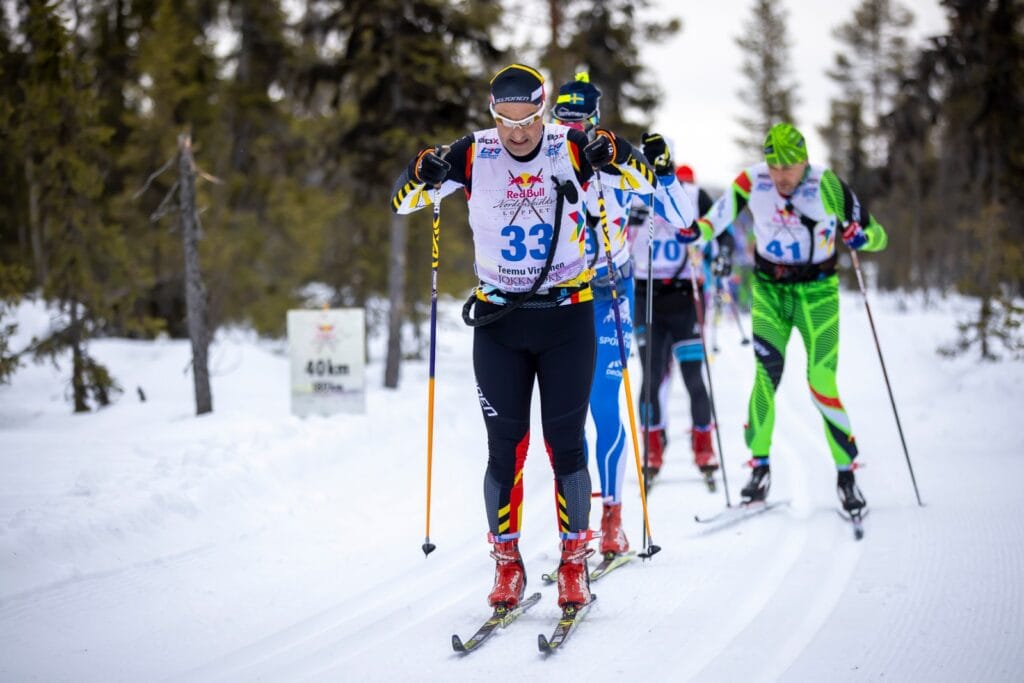
Scientific research supports the claim that low-carbohydrate diets can burn more fat than traditional high-carbohydrate diets. Get to know more about it.
Top athletes follow different nutritional plans to aim for a healthier lifestyle, burn fat, or achieve good fitness when participating in competitive sports. In endurance sports such as long-distance and traditional cross-country skiing, carbohydrate eating and different carbohydrate refueling methods have become standard, as these sports require several hours of performance.
However, another opinion also argues that a low-carbohydrate diet is the key to success. While researching the topic, Maastohiihto.com came across an interesting study done in North America, which might make some skiers and endurance athletes reconsider their eating habits. The original research was published online at Metabolism: Clinical and Experimental.
The study involved 20 elite endurance runners aged 21-45, competing in running events of 50km or more. This was the first study to look at elite athletes who were used to eating very few carbohydrates.
Low-carbohydrate elite endurance athletes in this study burned more than twice as much fat as high-carbohydrate athletes in maximal performance and long-distance training. The athletes achieved the highest fat-burning rates ever observed under these conditions by the researchers.
The human body can take weeks or longer to adapt to a fully ketogenic diet, so the low-carbohydrate athletes in the study were only selected if they had restricted their carbohydrate intake for at least six months. Their average time on a low-carb diet was 20 months.
The ten low-carbohydrate athletes selected for the test got 10% of their energy from carbohydrates, 19% from protein, and 70% from fat. The ten athletes in the second group on a high-carbohydrate diet got more than half of their calories from carbohydrates, 59% from carbohydrates, 14% from protein, and 25% from fat.
In all other respects, the athletes were similar: they were elite athletes of the same age, performed at the same level, had identical training backgrounds, and had similar maximal oxygen capacity. They had virtually the same “engine.”
The researchers measured gases in a test that determined the athletes’ maximal oxygen capacity and assessed carbohydrate and fat burning. On average, the low-carbohydrate athletes’ peak fat burn was 2.3 times higher than the high-carbohydrate athletes’ equivalent figure: 1.5 compared to 0.67 grams per minute.
For two days, the researchers subjected athletes to tests of maximal fat burning in short, high-intensity exercise and metabolic performance in long-duration activity.
On the first day, the athletes ran on a treadmill to determine their maximal oxygen capacity and fat-burning limits. The second day consisted of three hours of running on a treadmill at an intensity of 64% of maximal oxygen-carrying capacity. The athletes drank water during this test but did not receive any nutrition. Before the run, they were given either a low-carbohydrate or a high-carbohydrate nutritional drink containing about 340 calories.
During endurance running, there were no significant differences between the groups in oxygen consumption, perceived exertion, or calorie consumption. However, the low-carbohydrate athletes’ fat burning was again about double that of the high-carbohydrate athletes, with an average fat percentage during performance of 88% for the low-carbohydrate group and 56% for the high-carbohydrate group.
One important finding was that these low-carb athletes maintained normal muscle glycogen levels at rest. They also broke down about the same amount of glycogen as the high-carbohydrate runners during long runs and synthesized the same amount of glycogen in their muscles during recovery as the high-carbohydrate athletes.
The results were quite astonishing, and lead researcher Jeff Volek, a professor at Ohio State University, quickly pointed out that it might now be worth re-evaluating the doctrine of carbohydrate eating.
“These low-carb athletes were great fat burners. Their peak fat burn and fat burn during a three-hour run on the treadmill were dramatically higher than what the high-carb athletes achieved. This represents a real paradigm shift in sports nutrition, and I do not use this term lightly. We may have been looking at it from the wrong perspective in the past, and we now need to revisit everything we have taught athletes over the last 40 years about the role of carbohydrates in endurance sports. Obviously, it’s not as simple as previously thought.”
Are you interested in training content for long-distance and traditional cross-country skiing? Click HERE and read more.
Subscribe to our newsletter
Most read
-
09.12.2025
-
09.01.2026
-
21.12.2025
-
28.11.2024
-
22.01.2026




More Articles
-
Angelsiöö and Hansson winners of Wadköpingsloppet 2026
The Ski Classics Challengers event, Wadköpingsloppet, took place this Sunday with a 40km long-distance classic technique race in Örebro, Sweden. Check out the results.01.02.2026