“I had nothing to lose”

The ski community is stunned by Sunday’s surprising victory at Toppidrettsveka. Two conscious, brave choices lie behind it.
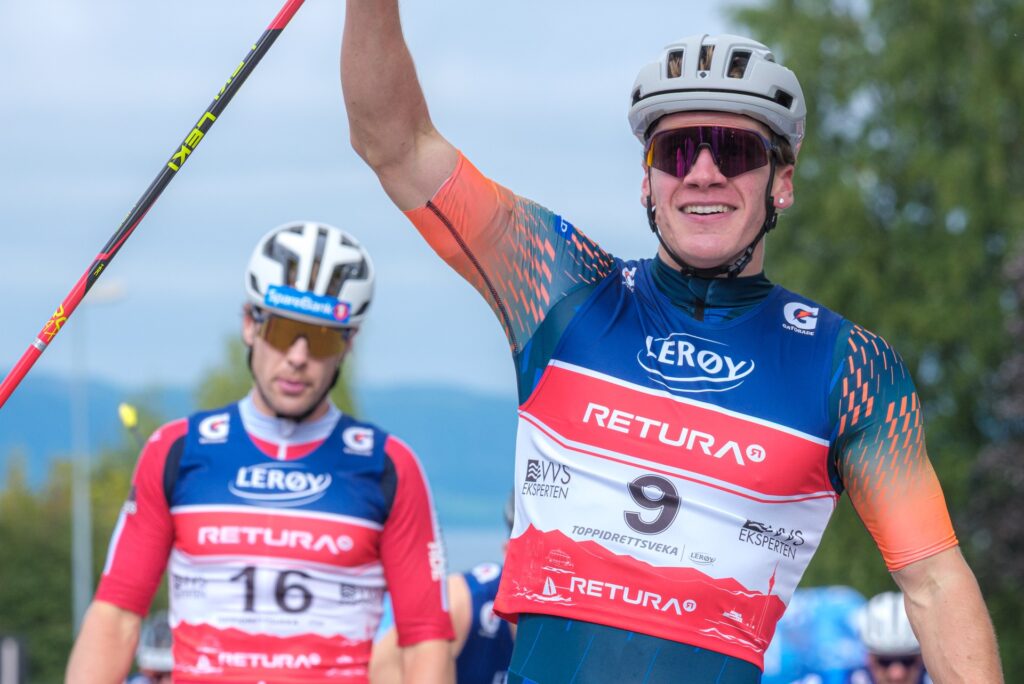
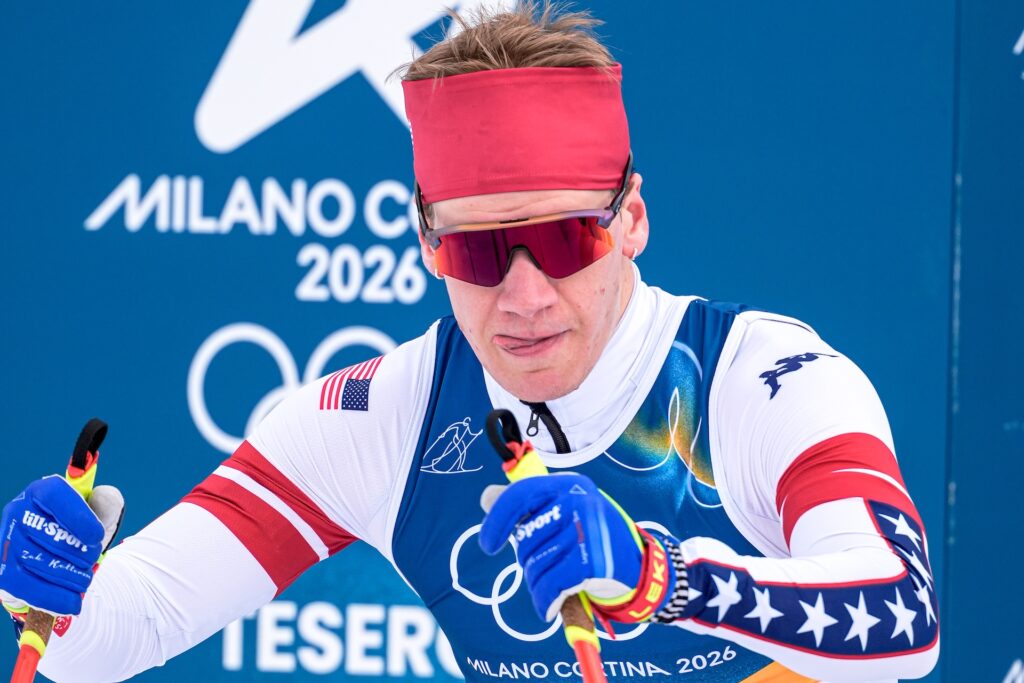
A year ago, he was over half a minute behind the winner. On Sunday, the American stood atop the podium at Toppidrettsveka, having defeated Johannes Høsflot Klæbo and several of the world’s best cross-country skiers. Both competitors and commentators were left speechless.
“It will be Zak Ketterson who wins Toppidrettsveka 2026! Yes, it was a surprise,” shouted TV commentator Jørn Sundby after the sprint showdown at Sverresborg.
Also Read: Ketterson wins pursuit and takes overall victory at Toppidrettsveka 2026
Two brave choices
Behind the remarkable progress are two conscious choices: He dared to discard parts of the training regimen he had previously followed and moved to Norway, right in the lead-up to the Olympics.
The then 28-year-old American had been contemplating this for three to four years. Now he began to feel that time was running out.
“I had nothing to lose,” he tells Langrenn.com.
“One of the most important things for me throughout my career, in terms of development, has been to place myself in environments where I can learn from better skiers around me,” says Ketterson, continuing.
“I knew that if I ended my skiing career without trying something like this, I could regret it for the rest of my life.”
Read More: U.S. cross-country ski team honored at 2026 Stifel Awards
The story continues below.
Changed coach and transformed everything
Last summer, he reached out to Torstein Dagestad, the successful coach behind Mattis Stenshagen and then coach for Team Swix. He agreed to help Ketterson with training and allowed him to join the team for certain sessions.
Instead of a fixed, coach-led model, Ketterson now has more responsibility and greater freedom to tailor his training to his own needs.
“That’s probably the biggest change I’ve made since moving to Norway,” he says.
“In the USA, it’s common for teams to train together every single day, sometimes even twice a day. This can make it difficult to adjust the training plan if something unexpected happens, for example, if you wake up one day feeling much more tired than you expected,” says Ketterson, continuing.
“In Norway, teams usually train together only one to three times a week, often during the most important interval sessions. This gives athletes much greater freedom to do what’s best for them on the days in between.”
Reorganized the entire structure
Ketterson also reorganized the structure of his training program.
Previously, he followed a traditional periodization model based on three weeks of heavy training followed by a “light” week.
Now, Ketterson instead uses four-day blocks. Each block consists of one interval session, two days of high-volume training, and one easy day. After completing a block, he starts right on a new one.
“This way, you always have an easy day before the interval session. It improves the quality of the intervals because you feel fresher. At the same time, you end up training a good amount all the time, instead of training a lot for some weeks and then needing the next week to recover,” Ketterson explains, elaborating.
“I find this system makes it very easy to see if my form is improving from week to week. At the same time, I had the opportunity to listen to my body, as it was very easy to adjust from one four-day block to the next, focusing on hard sessions, two volume days, and one rest day.”
The model is similar to what several Norwegian private teams have had great success with, and which many biathlon stars also use.
After Ketterson revamped his training last summer, the results came quickly. By August, he noticed improvements.
This winter, he achieved his first top-10 finish in the World Cup, was among the top 20 five times – more than in his entire career before the change, and got to compete in the Winter Olympics in Italy.
The story continues below.
New base in Oslo
When Ketterson moved to Norway last year, he and his girlfriend Julie chose to settle in Oslo. Not only because it is one of Norway’s key training centers, but also because he has easy access to some of the country’s best training facilities.
“Holmenkollen is a World Cup venue. It’s only five minutes from where we live in Oslo. There’s a five-kilometer roller ski track that is both very challenging and technical. When you can train a lot there, it can enhance many of your sessions,” he emphasizes.
This summer, the training base also became a home. In July, Ketterson married Julie, whom he met while she was studying in the USA.
At the same time, he has had the opportunity to train regularly with Team Aker Dæhlie, the Norwegian private team he is now associated with when he is not representing the USA.
Focus on the right things
From Toppidrettsveka to the World Cup opening in November, there are under 100 days, and still much work to be done. But while many have the World Championships in Falun in February as their clear main goal for the season, the American has a different approach.
“My overarching goal is to become the best skier I can be,” says Ketterson, elaborating.
“It was very inspiring to see Mattis Stenshagen, with whom I trained a lot last summer and fall, have such a great season. He managed to qualify for the Norwegian Olympic team, which seemed almost impossible. But when I asked our coach Torstein what he thought about Mattis’s chances for the Olympics, he always said: ‘He is just focused on getting better and doing his best in the races he competes in. The Olympics, the World Cup, and everything else will take care of itself if he does that’.”
“It’s very similar to how I want to approach things: I just want to keep trying to become a better skier, focus on doing the right things every day, and then I hope the rest will take care of itself.”
Are you interested in traditional cross-country skiing? Click HERE and read more about it.
Subscribe to our newsletter
Most read
-
03.12.2021
-
16.02.2026
-
21.02.2026
-
14.02.2026
-
10.02.2026




More Articles
-
Recovery – part 1: The physiology of fatigue
As everyone is already aware, in endurance sports, training must be sufficiently demanding both quantitatively and qualitatively for progressive development to occur. However, with the accumulation of high training volumes and overall stress from non-sporting activities, it is essential to be careful so that the body has enough time for rest and recovery.23.08.2026