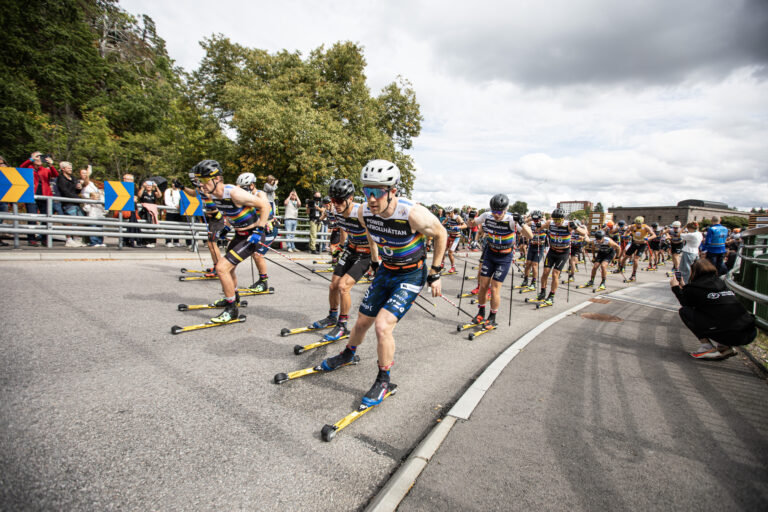
How to create a training plan for working skiers
No pain, no gain, and without quality training, there are no results. But how can you put together a plan when you have a job and limited time for training and recovery compared to elite athletes?
If you want to improve and beat your friends, simply going on long outings and enjoying the scenery won’t suffice. While long sessions are certainly enjoyable, your training repertoire must also include other types of workouts that stress the body and lead to improved physical condition. What should your training plan roughly look like?
Assess your priorities
If you’re a weekend skier hoping to become a world champion overnight, you need to slow down. Without a training base, you can’t suddenly start training like a professional.
Add two training sessions per week, and as you feel capable of handling larger volumes, gradually increase your workload. This should be measured in weeks or months, not days. If you train 200 hours a year without a foundation from previous years, it will be challenging to double or even triple that in the following year.
Be mindful of recovery
Your body can react defensively, signaling distress through various warning signs such as weakened immunity, repeated illnesses, injuries, or fatigue syndrome.
Remember that you are a busy working individual who may engage in physical or mental labor or spend long hours sitting in a car. All of this is demanding on the body, which also needs rest and shouldn’t be trained to failure every day.
The story continues below.
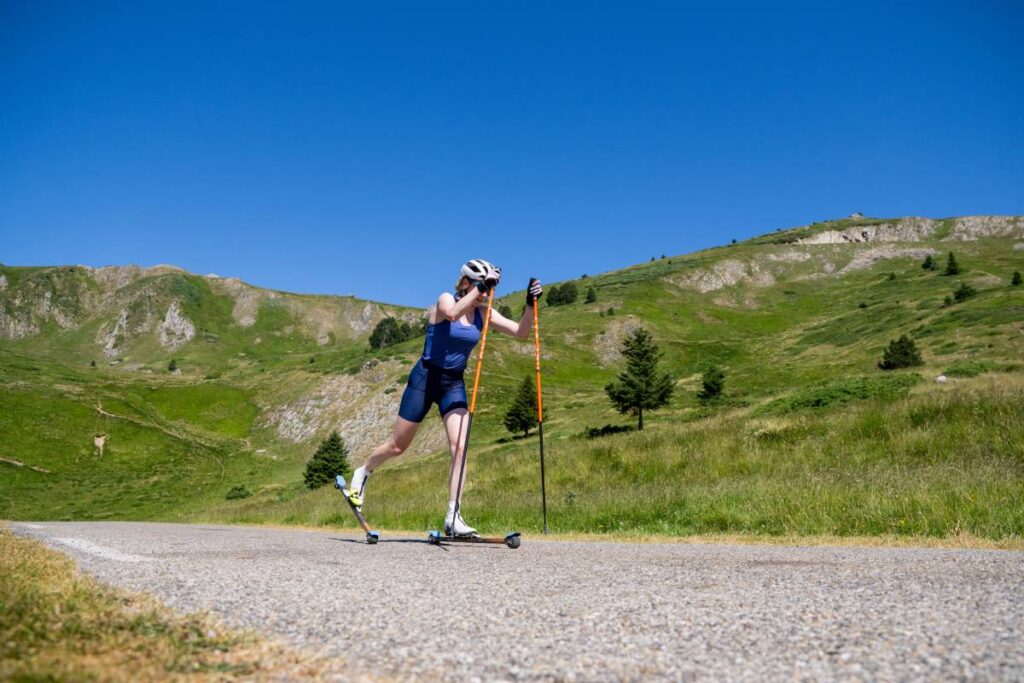
What should a weekly training plan look like?
During the off-season, set aside 1-2 days a week for training breaks to spend time with family, enjoy walks in fresh air, or engage in other relaxing activities. For less experienced skiers, it’s advisable to include a training or rest day 3-4 times a week and gradually increase this over the long term.
On weekends, when you typically have more free time and energy, schedule interval training. Depending on your performance level, choose to do 3-6 repetitions with intervals lasting 4-6 minutes.
Your training should look like this: warm up for at least 20 minutes at a comfortable pace in the aerobic zone. Then incorporate intervals, for example, 4 segments of 4-minute intervals, followed by a slow cooldown.
The break between intervals should be about half the duration of the interval itself. During breaks, your breathing and heart rate will decrease. You don’t have to just stand still between fast segments; you can lightly move on flat terrain or downhill to prevent your muscles from stiffening.
Start your fast segments at an intensity that allows you to gradually increase your pace during each interval, rather than starting too quickly and not being able to maintain a high tempo until the last segment.
On Sunday, consider going for a longer outing, perhaps for three hours. During the week, incorporate more rest and shorter training sessions. Don’t forget about strength training; feel free to include two strength sessions per week.
If one interval training session per week isn’t enough, you can try another type of speed training, where you alternate intensities. Within aerobic training, include short, fast segments at the edge of your anaerobic threshold. The length of these segments can range from a few seconds to several minutes.
What to watch out for?
Forget about training sessions like – ‘I’ll ski for 3 hours at race pace to prepare for a marathon.’
Focus on training quickly within intervals, even if it seems different from the structure of a long race. It’s important to get your body revved up and then allow it to recover. In a race, you won’t climb a hill for an hour; you might only do it for five minutes and then rest on the descent.
So, what can we conclude? Train effectively and, most importantly, listen to your body.
This article has been updated. It was first published on ProXCskiing in May 2025.
Are you interested in training for long-distance, traditional cross-country skiing and biathlon? Click HERE and read more about it.
Subscribe to our newsletter
Most read
-
28.08.2026
-
-
06.08.2026
-
06.03.2026
-
05.08.2026



More Articles
-
Musgrave wins Ski Classics Challengers Alliansloppet 2026
The Ski Classics Challengers event, Alliansloppet, a 48km long-distance roller ski race in classic technique, took place today in Trollhättan, Sweden. Andrew Musgrave, Team Aker Dæhlie, claimed victory in the men’s race after a chaotic finish.29.08.2026