Training tips: try a different approach to training with the SkiErg
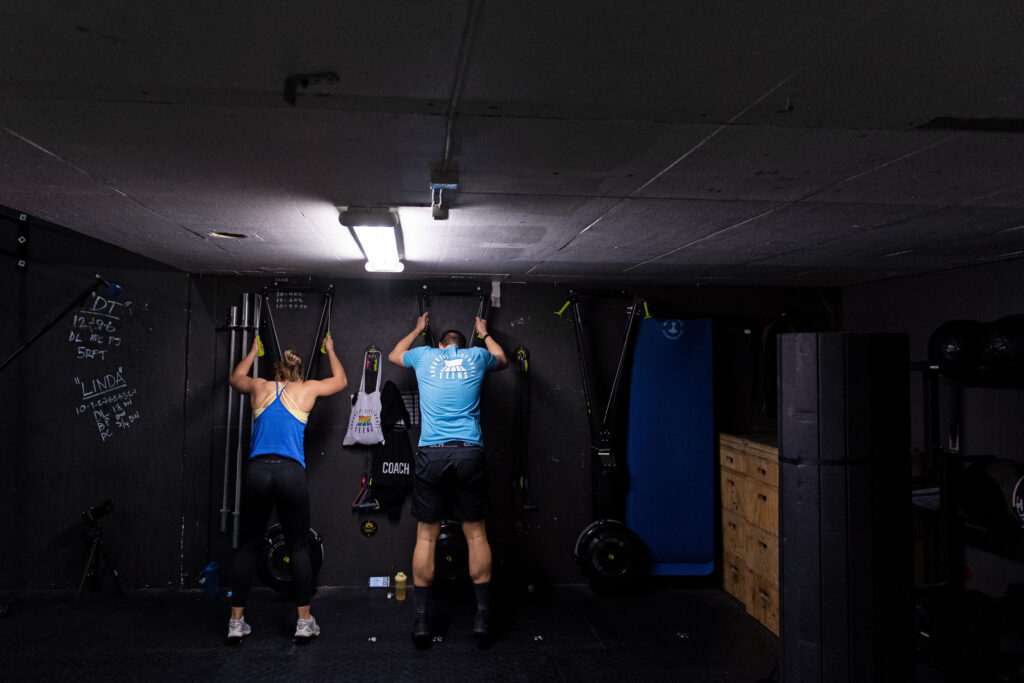
The double poling machine has become a popular training tool in gyms and home setups. But its benefits go far beyond serving as a rainy-day substitute. Today we’re going to look at the value of the power data this equipment provides.
Highly effective for improving your double-poling technique, the double poling machine allows all athletes, whether professional or recreational, to easily track their progress by conducting a simple test: a 5000-meter time trial. The data you collect from this test using the SkiErg and its ErgData app then lets you correlate your heart rate zones with your power zones, but the same principles apply to any double poling machine that measures power.
Before following the training tip we provide in this article, it’s important to note that these are average figures that may not apply to everyone: the most important thing is to trust how your body feels. If you experience any muscle pain or difficulty breathing, stop your workout and consult a healthcare professional.
In fact, when you start learning about training for endurance sports, people often talk about heart rate zones, including your aerobic zones, thresholds, race paces, and so on.
But with a 5000-meter test on the double poling machine, we’re going to show you that it’s also possible to rely on watt zones, just like cyclists do.
Also Read – SkiErg vs. Ercolina: Which double-poling trainer is right for you?
Step 1
To start your new training cycle on the double poling machine, you need to complete a 5000-meter test at a resistance level of 8. Depending on your fitness level, this test will take about 20 minutes. Be sure to record your data using the Erg Data app.
After this test, you’ll have some very interesting data, including your average power in watts and your average heart rate.
Step 2
Just as we recommend for heart rate zones, you can now apply percentages to your average watts from this test to determine training zones. In cycling, this could be comparable to the FTP (Functional Threshold Power) zone, which is the maximum power output you can maintain on average for about an hour.
The percentages below are based on Andrew Coggan’s model:
1: Active recovery 0 to 55%
2: Basic endurance 55 to 75%
3: “Tempo” 75 to 90%
3/4: Sweet spot 83 to 97%
4: Lactate threshold 91 to 105%
5: Aerobic capacity / VO2 max 106 to 120%
6: Anaerobic Capacity 120% or more
Step 3
Now that you’ve determined your training zones, you can create structured workouts based on your goals.
In endurance sports, threshold training is one of the most effective ways to develop your ability to sustain a long, steady effort.
So, you can use the watts from your “Sweet Spot” to set specific training paces.
To give a more concrete example, if you averaged 200 watts during your 5,000-meter test, your “sweet spot” will be between 166 and 194 watts.
If you’re looking for tips on structuring a double poling machine session, you can also read this article: ROLLER SKI TRAINING: Standard Session on SkiErg
Step 4
You can repeat this test every 6 months to track your progress.
And now, all you have to do is use this data to tailor your workout plan and prepare for your next goals!
Also Read – Long intervals on a double poling machine
Interested in training and training trends? Here we have gathered articles on training, training methods, research and development.
Subscribe to our newsletter
Most read
-
14.10.2026
-
-
22.10.2026
-
28.10.2026
-
29.10.2026




More Articles
-
Italian biathlon talent left out of World Cup opener
A spoonful of hazelnut spread has turned the 25-year-old's life upside down. She will miss both the Norwegian season opener in Geilo in a week and a half and the World Cup opener in Kontiolahti.05.11.2026