Concerns grow at FIS: “Everyone knew it was about him”
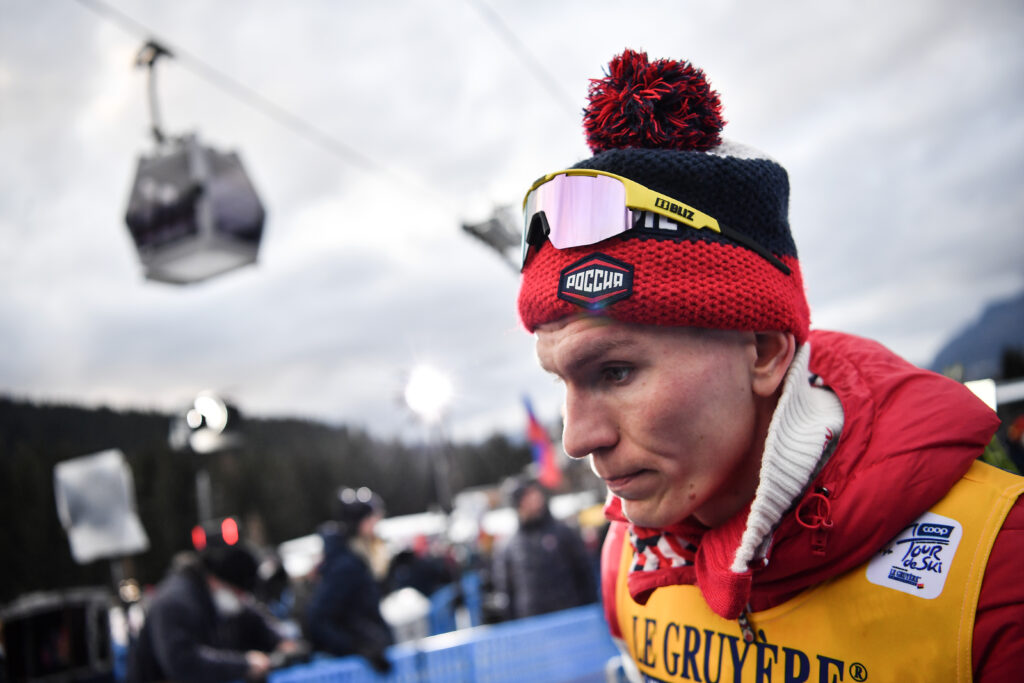
FIS has reportedly rejected Alexander Bolshunov’s neutral status application, but fears it may still have to let him compete.
Three weeks before the World Cup opener in Ruka, the board of the International Ski and Snowboard Federation (FIS) has reportedly decided to uphold the ban on Alexander Bolshunov.
But the final word has not been spoken. After the meeting of the FIS board (FIS Council) this week, sources within FIS tell NRK that concerns are growing.
The problem is that FIS is now unsure whether the new rules support a continued ban on the 29-year-old Russian ski star.
“Bolshunov was not mentioned specifically, but everyone knew that it was about him, among others,” says a source who attended the board meeting.
FIS expects an appeal from Russia and fears that Bolshunov will win his case at the Court of Arbitration for Sport (CAS).
Also Read – Confusion over Bolshunov’s comeback: Reportedly denied neutral status
Russia promises a fight
Russian sports president Dmitri Svischev says he has not been formally informed of any decision.
“I have read about this in Norwegian media, but I want to get an answer directly from FIS. I will contact them,” he tells the Russian news agency TASS.
At the same time, Svischev says he is experiencing what he calls “Russian hysteria.”
“We see that some countries are starting a wave of scandals because our stars may return. We communicate with FIS every day to get all our athletes in. I see only two reasons why we should be refused: politics, and that some people fear Scandinavian dominance will weaken when we return. I see no other reasons,” he tells Sport-Express, and continues.
“Alexander (Bolshunov) has submitted all the documents, and we have met with them (FIS) several times about this. Now I see no other arguments for not letting Bolshunov compete internationally,” he says.
Svischev also confirms that Bolshunov will sue FIS if he is not granted neutral status.
“We support him. And we will fight for every single athlete who does not get neutral status if they meet the requirements,” he says.
Read More: Exile, training, and survival: Inside Ukraine’s cross-country ski program
Caught by its own rules: Plans to update
Last year, Russian athletes were allowed to compete as neutrals under strict criteria. Earlier this fall, FIS adopted new rules that have allowed far more athletes to get through, and now Bolshunov can also meet the requirements.
The FIS board reportedly did not use Tuesday’s meeting to discuss or process Bolshunov’s application, but worked on agreeing how the new rules and criteria for neutral status should be interpreted.
“Bolshunov was not mentioned specifically, but everyone knew that it was about him, among others,” says a source who attended the board meeting.
“At the meeting, the board did not discuss any individual cases. They agreed on some clarifications that will form the basis for the applications for neutral status,” FIS writes in a statement to NRK.
Wave of athletes cleared
So far, more than 200 athletes from the two countries have been given the green light to compete internationally, including more than 50 cross-country skiers.
Natalia Terenteva (formerly Nepryaeva) has already been cleared, as the first of the big stars from before the ban.
Also Read – Olympic Champion granted green light: Russian stars set to return
Could be denied a visa
Even if Bolshunov is cleared by FIS, it does not automatically mean he can compete. It is still up to the authorities in each host country whether they will grant visas to Russian athletes.
FACTS: FIS requirements for neutral status
- Neutral status: Athletes must apply to FIS individually and be approved as neutrals. They cannot represent Russia or Belarus.
- No military ties: Athletes who are or have been voluntarily affiliated with or supported by the countries’ military or security agencies can be refused participation.
- No support for the war: Athletes must not have supported Russia’s war in Ukraine. Statements, social media posts and attending events that support the war can count against them.
- No national symbols: Russian and Belarusian flags, national anthems and national team uniforms are banned. Athletes may only compete individually, not in relays or team sprints.
- Anti-doping requirements: Athletes must meet FIS anti-doping requirements and be available for doping controls.
- Visas and qualification: Approval from FIS is not enough. Athletes must also meet the sporting requirements and receive entry permission to the country hosting the competition.
Source: International Ski and Snowboard Federation (FIS)
Are you interested in traditional cross-country skiing? Click HERE and read more about it.

Subscribe to our newsletter
Most read
-
11.05.2026
-
09.05.2026
-
07.05.2026
-
03.10.2026
-
30.09.2026

More Articles
-
Last winter’s breakout star hospitalized – out indefinitely
The 21-year-old was one of last year's rising stars. Now she is in the hospital, will miss the season opener, and has no idea when she can resume training.03.11.2026