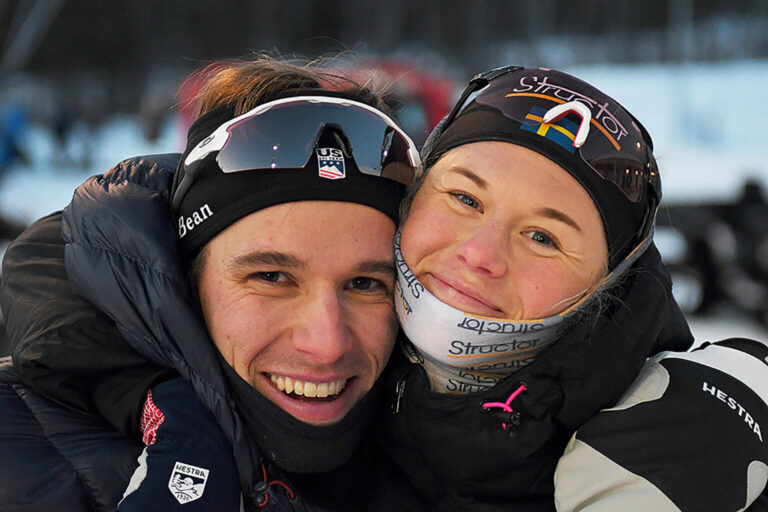
Why do biathletes drool so much?
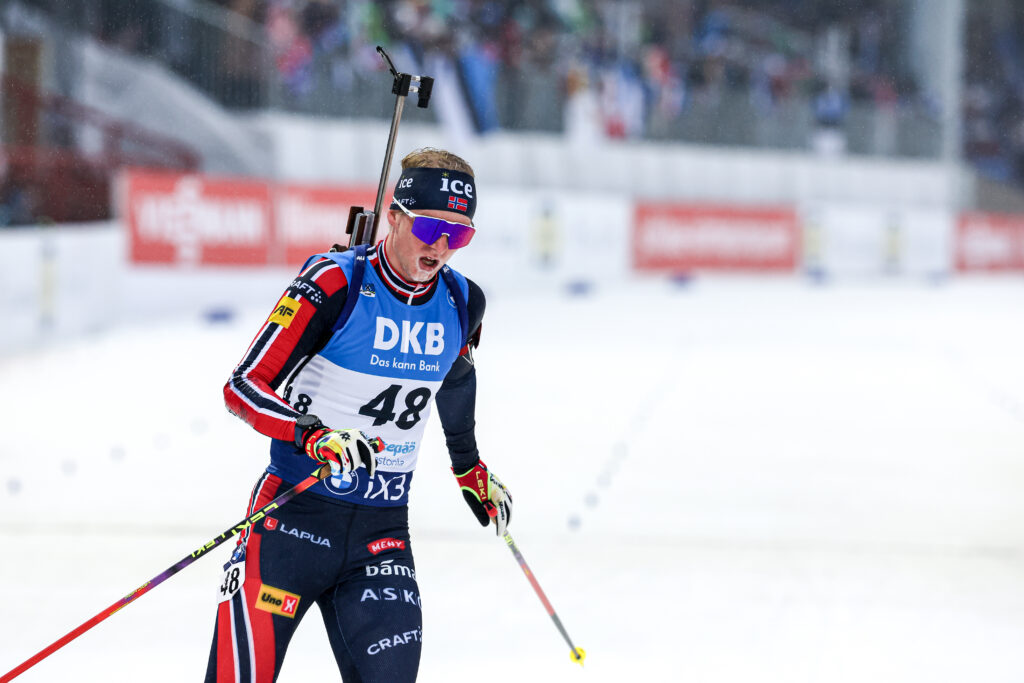
After Johan-Olav Botn’s recent success, it has become impossible to ignore: biathletes drool. But why?
Both cross-country skiing and biathlon place extreme demands on the athletes. Arms, legs, and the entire upper body must perform at maximum intensity for long periods. This massive energy expenditure directly affects saliva production.
When the body enters the red zone, the sympathetic nervous system is strongly activated. This stimulates the salivary glands, which then produce more saliva enriched with proteins such as MUC5B, making the saliva thicker, researchers explain.
At the same time, skiers breathe almost exclusively through their mouths to maximize oxygen intake. The cold air dries out the mouth, making the saliva even more concentrated. Some athletes also appear to drool more than others.
So, it is not mucus, but saliva, although the cold can also make the nose run, which may add to the effect.
So why can’t they spit it out, swallow it, or wipe it away?
At this level of intensity, even small extra movements are a luxury.
Biathletes therefore prefer to focus on steady, continuous breathing all the way to the finish line rather than waste even a tenth of a second or break their concentration.
The result is that saliva builds up, thickens, and runs down the chin and face.
Not only in cross-country skiing and biathlon
This phenomenon also occurs in other endurance sports such as marathon running and triathlon. Still, it is particularly evident in biathlon and cross-country skiing due to the cold, race duration, and intensity.
How much someone drools is also individual. It depends on factors such as genetics, hydration levels, tolerance for extreme effort, and breathing technique. That is part of the explanation for why some athletes appear to drool more than others.
In other words, drooling is not a sign of poor style, but of extreme effort.
Are you interested in training for long-distance, traditional cross-country skiing, and biathlon? Click HERE and read more about it.
Subscribe to our newsletter
Most read
-
27.09.2026
-
27.08.2026
-
03.08.2026
-
20.02.2026
-
30.09.2025



More Articles
-
Olympic stars tie the knot: she said YES!
Five years after they became a couple, the big news came from the cross-country skiing stars: "It was about time."28.09.2026