Autumn training: How to avoid getting sick

The arrival of autumn brings back dampness and cold weather, ideal conditions for the spread of viruses. Whether you’re a competitive athlete or a recreational one, it’s important to protect yourself as you prepare for the final months leading up to winter.
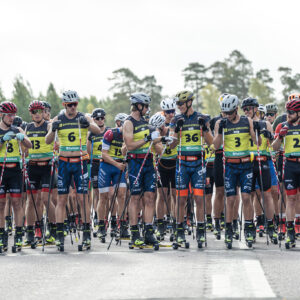
For all skiers, autumn is the final stretch of preparation before the first events of the winter season. This period is often marked by an even heavier training load than the rest of the summer. It is therefore important for athletes to avoid getting sick, as illness can cause you to miss several days of crucial training.
This is also a time when the immune system can be weakened, as the days grow shorter and temperatures drop.
The simplest thing to do during your workouts is to dress appropriately for the weather. This may seem basic, but you should also focus on sleep and nutrition. Throughout the rest of the year, these are already important factors to consider for athletic recovery, but in the autumn, if you get enough rest and properly replenish your energy reserves, you should be able to avoid a few problems.
If you want to give yourself the best possible chance of boosting your immune system, there are some simple changes you can make to your eating habits that can help. The following tips can be incorporated as a supplement to a healthy, balanced diet.
Also Read: Nutrition guide for active recreational cross-country skiers
Choose a variety of fruits and vegetables
Citrus fruits, such as grapefruit and lemons, are rich in vitamin C (or grapefruit seed extract in the form of dietary supplements). Certain green vegetables, such as spinach and broccoli, are rich in antioxidants and vitamins.
Vitamin D
Vitamin D is fairly easy to find in nature: all you need is regular exposure to sunlight, and your skin produces vitamin D3, which your body then converts into vitamin D. However, after spending a summer in the sun, fall can sometimes bring unpredictable weather. As a result, it’s possible to develop a vitamin D deficiency during this time. In that case, you can get it from fatty fish, egg yolks, or simply through dietary supplements.
Spirulina (dietary supplement)
Spirulina is a nutrient-rich algae that can help prevent deficiencies in iron, B vitamins, or protein. It can therefore help reduce fatigue.
In short, to avoid getting sick in the fall, get plenty of sleep, eat well, and dress warmly!
Read More: Nutrition strategies for cross-country skiers
Interested in training for Ski Classics, traditional cross-country skiing, long-distance skiing, or biathlon? Click HERE to learn more.
Subscribe to our newsletter
Most read
-
21.09.2026
-
14.09.2026
-
-
06.08.2026
-
06.03.2026




More Articles
-
Zuoz – St. Moritz Sprint: a new Sprint format in Ski Classics
Ski Classics World Championship Season XVIII continues on Sunday, January 17, 2027, with the Zuoz - St. Moritz Sprint, a brand new 30km mass start event in Switzerland.21.09.2026