Warning before Birken: Incorrect refueling can lead to a wall
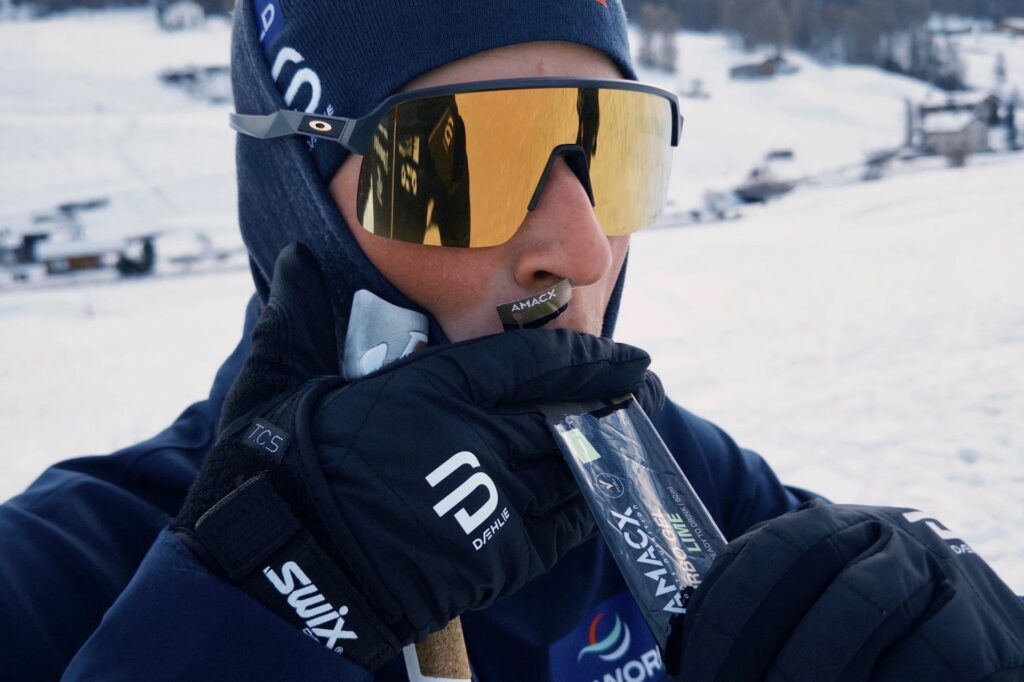
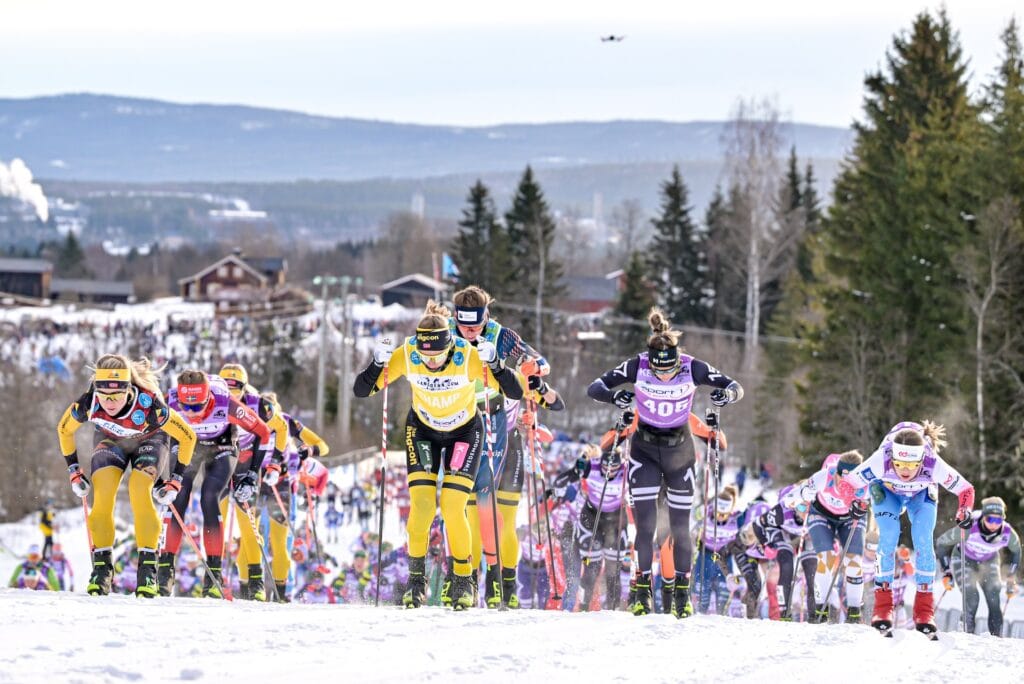
The right nutrition strategy can be the difference between maintaining high speed all the way to Lillehammer or hitting the wall in the mountains. Preparation starts long before the starting gun goes off. Here are the top tips from long-distance professionals.
In long-distance races like the Birkebeinerrennet, a proper nutrition strategy can be crucial for performance. When the body works hard for several hours, carbohydrate stores gradually deplete. Without regular energy replenishment, both speed and work capacity will decline—what many experience as “hitting the wall.”
Therefore, good preparation involves not just training but also how you eat before the race and how you refuel during it.
“If you want to maintain high intensity over time, you need to continuously supply your body with enough carbohydrates,” says Team Aker Dæhlie coach Hans Kristian Stadheim.
But the work begins long before the starting gun goes off.
“The goal is to start the race with full energy stores,” Stadheim explains.
He elaborates on how Team Aker Dæhlie approaches nutrition and shares practical advice for nutrition before and during the Birkebeinerrennet.
How much do you need?
There has been extensive research on carbohydrate intake related to training and competitions, and recommended carbohydrate intake increases with the duration of the activity. However, the following general guideline applies:
- about 30g/hour during shorter sessions
- about 60g/hour during sessions lasting 45–90 minutes
- about 90–120g/hour during sessions lasting longer than 90 minutes
“For races lasting several hours, such as Vasaloppet and Birken, it is recommended to aim for 90–120 grams of carbohydrates per hour to maintain performance,” Stadheim advises.
Here are his recommendations for the days leading up to and during the Birkebeinerrennet.
The article continues below.
Nutrition 24–36 hours before start: Fill up glycogen stores
Recommendations:
- 7–10g carbohydrates per kg body weight in the last 24 hours
- Spread this over 4–6 meals
- Choose carbohydrate sources low in fiber that are easy to digest
Stadheim highlights some examples:
Breakfast
Rice porridge + banana + honey
Lunch
Rice + lean meat (chicken/white fish) + low-fat
Snack
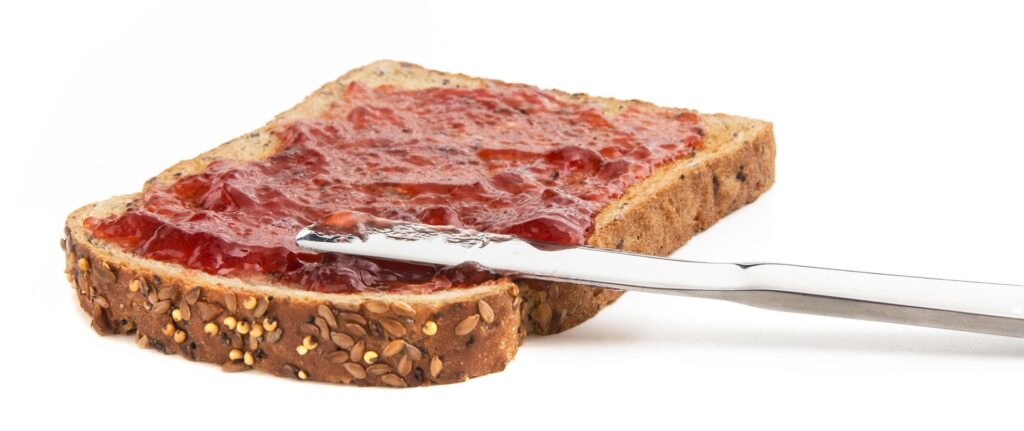
White bread with jam/honey/chocolate spread
Dinner
Rice + chicken/white fish + sports drink or cola
Evening Snack
White bread with carbohydrate-rich topping + sports drink
Avoid:
- Large amounts of fat
- Foods high in fiber
- New and untested foods
The article continues below
Race morning (3–4 hours before start)
Many wonder what they should eat on race day. First and foremost, it’s about finding what works best for you.
“As a general guideline, you can start with around 2 grams of carbohydrates per kilogram of body weight, as most can tolerate this without stomach issues,” Stadheim suggests.
Long-distance professionals have their clear favorite, both before Birken and other long races.
“I usually eat two slices of white bread with chocolate spread and drink two cups of black coffee on competition days,” says Kasper Stadaas, winner of Marcialonga 2026.
The same was echoed by long-distance king Andreas Nygaard after winning Vasaloppet.
Breakfast before Birkebeinerrennet
Goal: 1–4g carbohydrates per kg body weight
Example (athlete weighing 75kg):
2–3 slices of white bread with jam/honey/chocolate spread or rice
1 bowl of rice porridge
300–500 ml sports drink
Total: 75–300g carbohydrates
Additionally, long-distance professionals make sure to refuel a bit extra in the last hour before the start, typically with gel or a sports drink.
30–60 Minutes Before Start:
20–30g carbohydrates (gel or sports drink)
During Birken, it’s important to start early, refuel often, and not wait until you feel fatigued.
Also Read: All you need to know ahead of Birkebeinerrennet Season XVII
Subscribe to our newsletter
Most read
-
11.05.2026
-
19.09.2026
-
24.09.2026
-
01.03.2026
-
22.09.2026


More Articles
-
Anger reflects on Olympic nightmare: “My goal is an individual World Championship medal”
Last winter started as a dream but turned into a nightmare. Now, Edvin Anger has recharged ahead of the World Championships in Falun, with individual medals as the goal.17.10.2026